- Data analytics
Zomato drops the clause that penalized cheaper walk-in prices
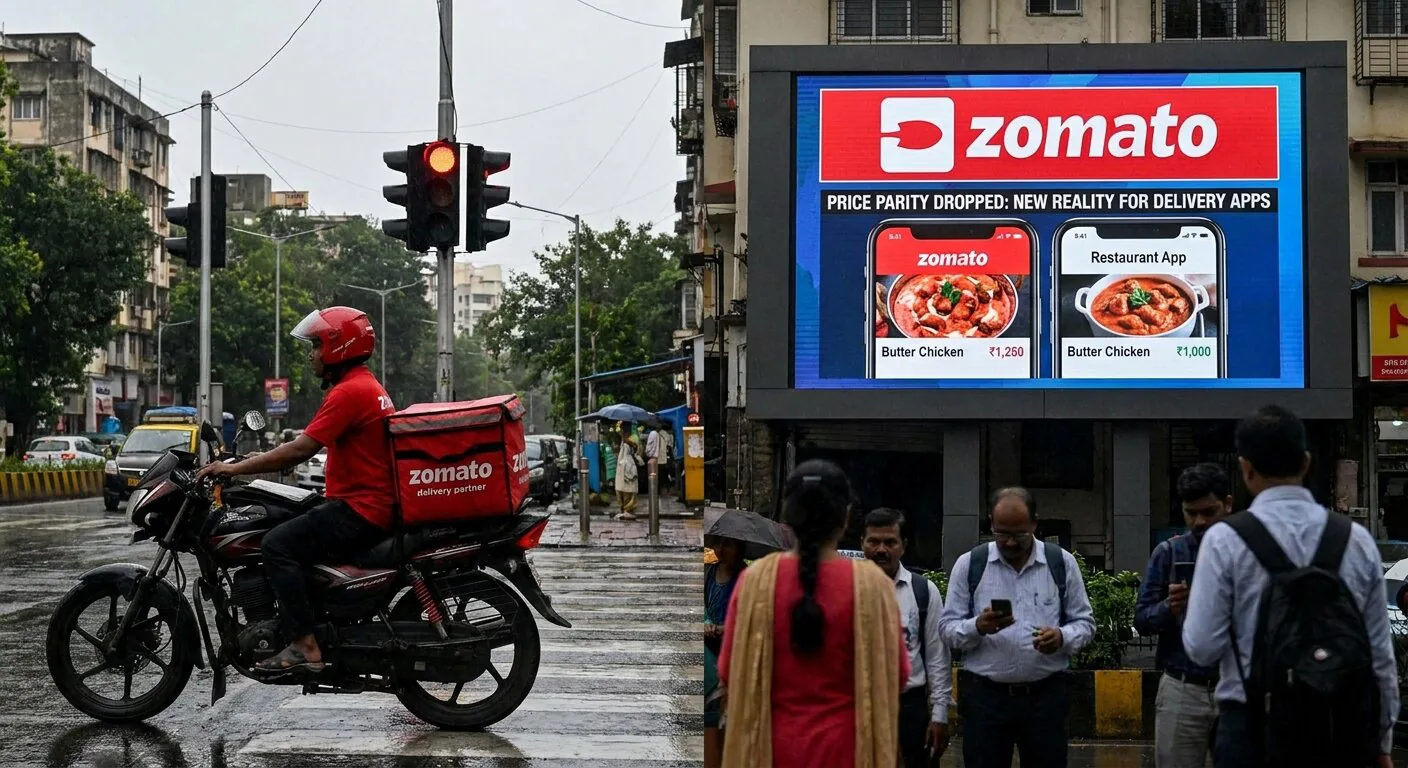
Zomato removes contract clauses that penalized restaurants for lower offline prices. Analyze the impact on delivery strategy and price transparency.
Indian food delivery giant Zomato has agreed to remove a contract term that penalized restaurants for offering lower prices to walk-in diners. The decision follows significant pushback from restaurant owners, who argued the policy undermined their ability to set their own prices and manage their physical locations.
Zomato manages over 300,000 restaurant listings and had used the clause for years to make sure app users always saw the lowest available price. The contract even allowed mystery shopping, with secretive visits to check that physical menus were not cheaper than the digital ones listed on the platform. Zomato claims the clause was rarely enforced. Even so, its removal is a major victory for restaurant partners who want more control over their margins.
Without the threat of fines, restaurants are now free to experiment with different price points for different channels. For delivery platforms that want a reputation for offering the best value to their users, that is a problem: if walk-in prices become significantly lower than app prices, platforms may see a dip in loyalty as consumers become more price-conscious.
With the clause gone, a business needs to see exactly how much more a customer pays for delivery than for a walk-in visit. Manual checks are far too slow for a market with millions of daily transactions. Automated data tracking shows whether a price change is a small local trend or a national strategy by a major restaurant chain.
Price gaps now matter for competitive positioning as well as compliance. A platform that knows its partners are significantly undercutting app prices in a specific city can adjust its own delivery fees or marketing spend to stay attractive to the end consumer.
Using the menu price gap to set commissions and promotions
Without rigid pricing clauses, delivery platforms rely on data to follow their partners' pricing. The gap between digital and physical menus tells a platform when to adjust its commission structures or promotional offers. Specialized tools that analyze price parity across the network keep pricing competitive without damaging the trust of the restaurant partners who drive the platform's supply.
If you want to measure the gap between Zomato menus and walk-in prices in your cities, contact our team: Contact DoubleData
