- Data analytics
Wonder’s Expansion and the Rise of the Integrated Virtual Kitchen
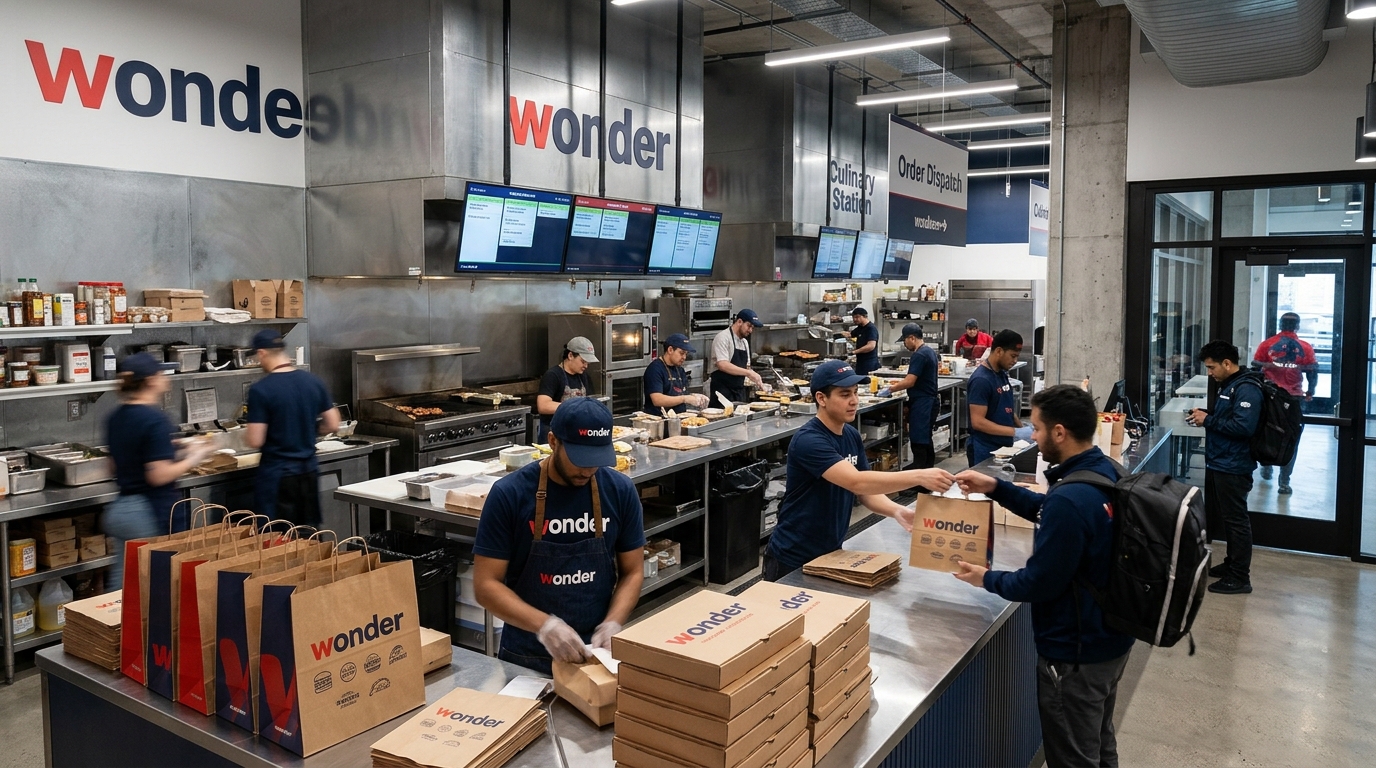
Wonder's Brookline opening highlights how virtual brands and delivery tech are reshaping the market. Learn how to track this new competition.
Wonder is bringing its "Amazon of food" model to Brookline, signaling a new era for delivery-first dining. With its massive logistics network and the acquisition of Grubhub, the company is consolidating dozens of virtual brands into single, high-efficiency storefronts.
The recent opening in Brookline highlights a major shift from traditional hospitality toward industrial-scale food logistics. Wonder allows customers to mix and match cuisines from over 20 different "restaurants" in one single transaction. While these options appear to be separate brands, they are all prepared in one kitchen using a highly automated process. This approach allows the company to scale rapidly without the traditional overhead of multiple kitchen teams or professional chefs.
For established restaurant chains and delivery platforms, this creates a significant visibility gap. When a new Wonder location opens, it does not just represent one new competitor. It represents 20 or more new brands entering the local delivery radius simultaneously. This density can quickly saturate a market, making it harder for independent restaurants or traditional QSRs to maintain their share of the digital shelf.
Understanding this threat requires more than just looking at physical storefronts. Without granular data, these virtual brands look like separate entities on delivery apps. Data intelligence allows market leaders to see the reality behind the digital listings. By analyzing which brands share the same address or kitchen infrastructure, companies can map the true competitive landscape of a neighborhood.
Regaining Market Visibility
To stay competitive, industry leaders must be able to distinguish between traditional restaurants and these high-volume virtual hubs. The ability to identify these clusters helps in adjusting pricing strategies, marketing spend, and expansion plans. Understanding the source of competition is the first step in defending your market share.
Leaders can maintain an edge and monitor these shifting dynamics by using Virtual Brand Tracking to identify which "restaurants" are standalone players and which are part of a larger ghost kitchen network. This level of insight ensures that your strategic decisions are based on the actual number of competitors in the market, not just the names on the apps.
Ready to gain deeper insights into your market? Contact our team to see how data can transform your strategy: Contact Doubledata
Source: Brookline.News
