- Data analytics
Uber Q4 analysis: delivery growth and margin pressures
Uber's 30% delivery revenue jump signals a strategic shift. Explore how data intelligence helps navigate the pivot from expansion to margin optimization.
Table of contents
The affordability paradox and the push for scale
Uber's Q4 results show a familiar paradox of the platform economy: strong top-line growth fueled by a 30% jump in delivery revenue, set against cautious Q1 forecasts and margin compression. Gross bookings reached $54.1 billion, yet markets are viewing the company's pivot toward "affordability" in mobility and the rapid expansion of retail delivery with high scrutiny. With revenue from the Delivery segment at $4.9 billion, the story has moved from simple restaurant logistics to a multi-vertical business that includes grocery and retail.
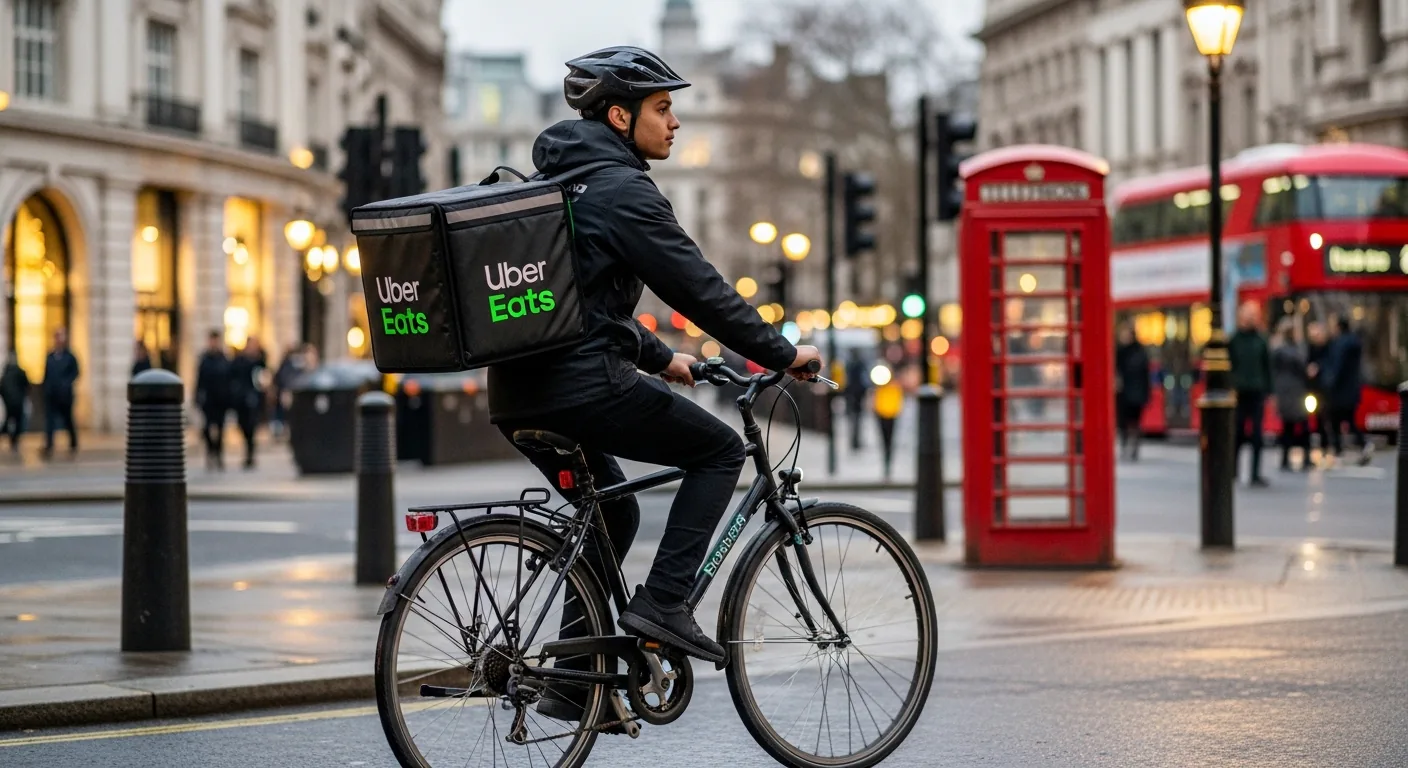
Growth has a cost. Uber's mobility segment saw a 22% increase in trips, yet a deliberate focus on low-cost products pressured margins. In delivery, the same strategy mirrors a broader industry trend of platforms aggressively subsidizing entry into new verticals to capture market share. When a global leader signals that profit growth is slowing despite record bookings, its competitors feel the ripple effect. Restaurants and investors should expect a period of tactical experimentation as Uber seeks to recover its bottom line without sacrificing its hard-won volume.
Fees and commissions show how Uber responds
Top-line growth says little about what each order now earns. As Uber integrates grocery and retail into its delivery mix, the unit economics of a delivery order become highly variable. Any brand trying to keep its own margins on the platform needs to see how Uber adjusts service fees, delivery premiums, and merchant commissions in response to its weaker Q1 forecast, and pricing analytics gives competitors and enterprise partners that view.
Non-restaurant categories call for a closer look at basket value scenarios. A grocery order has a very different margin profile from a standard quick-service restaurant (QSR) pickup. Financial analysts and large restaurant groups that can simulate how changes in platform fees affect the total basket cost can plan ahead instead of reacting. Uber's change in finance leadership, with Balaji Krishnamurthy taking the helm, suggests a renewed focus on per-order efficiencies and on extracting value from every transaction.
Small-order fees and delivery radiuses to watch
With "affordability" as the primary growth lever, expansion without market data is a liability. Platform executives and directors at major restaurant chains cannot rely on aggregated quarterly reports to understand localized competition. The harder task is detecting "pricing tremors": instances where a platform might quietly raise small-order fees or adjust delivery radiuses to offset global margin targets and appease Wall Street.
A competitive edge in 2026 depends on seeing how these financial pressures show up at street level. Anyone investing in or partnering with delivery giants should track small-order fees, delivery radiuses, and merchant commissions with data that captures the marketplace before it reaches the next quarterly earnings call.
If you want to know how Uber's updated pricing strategy is impacting your category's visibility in key cities, contact us for a customized pricing analytics report tailored to your top-performing markets.
The earnings show the shift. Our data shows where it actually happens.
Download the report