- Data analytics
Uber Takes Control of Ukraine: What the Glovo Deal Means for Market Share
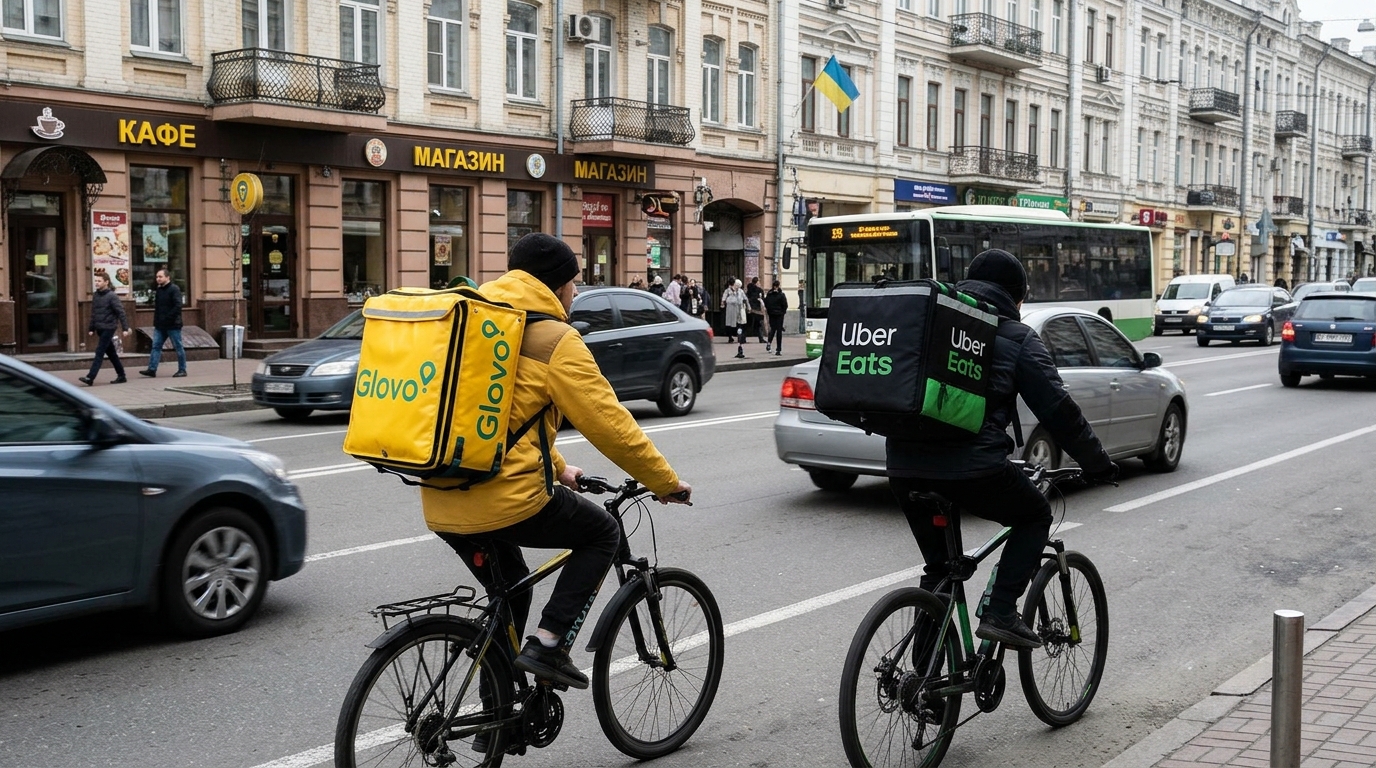
Ukraine approves Uber's takeover of Glovo. Learn how this deal impacts food delivery competition and why data intelligence is key to navigating the shift.
Ukraine's Antimonopoly Committee has officially approved Uber’s bid to acquire the Ukrainian operations of Glovo from Delivery Hero. This strategic move consolidates Uber's presence in one of its highest-growth markets, signaling a major shift in the European food delivery landscape.
The deal is part of a massive $14.8 billion global transaction where Uber gains control of Delivery Hero businesses across 50 markets. In Ukraine, the stakes are particularly high. Glovo has established itself as a dominant force, with company leadership reporting double-digit growth. By absorbing these operations, Uber is not just expanding its footprint, it is removing its largest competitor in the region.
For C-level executives at rival platforms and restaurant chains, this merger creates a new reality. When two market leaders combine, the traditional competitive playbook often fails. Uber will likely look to integrate Glovo’s extensive restaurant network into its own technology stack, potentially changing delivery fees, merchant commissions, and driver incentives across the country. The integration, expected to conclude in late 2027, gives Uber a long window to optimize its dominance.
From a data perspective, this takeover hides many complexities. A simple look at the news tells you that a merger is happening, but it doesn't show the granular impact on the street level. As Uber and Glovo merge their operations, the "Active Closed" status of restaurants might fluctuate, and delivery radii could be redrawn to maximize efficiency. Without deep data intelligence, competitors will struggle to see which specific neighborhoods or cuisine types are becoming Uber-only strongholds.
Understanding the "why" behind these moves requires looking at the raw data of merchant overlap. If a top-performing QSR chain was exclusive to Glovo, its move to the Uber ecosystem could immediately disrupt the market share of smaller local players. Tracking these shifts in real time is the only way to stay ahead of a newly consolidated giant.
The Strategic Path Forward
As the market moves toward a duopoly or even a monopoly in some cities, players must become more surgical in their expansion. The focus should shift from broad growth to identifying specific gaps in the new Uber-Glovo coverage. Strategic leaders should constantly monitor how this merger affects the competitive landscape by using Market Share Benchmarking to track changes in merchant loyalty and service uptime.
By analyzing the data, you can spot where the merger might cause friction, such as increased delivery times or rising fees, and move into those gaps with targeted promotions. In a consolidated market, information is the only tool that can level the playing field.
To learn how to protect your margins and identify growth opportunities in changing markets, contact our analysis team today.
Source: The Kyiv Independent
