- Data analytics
Uber Eats Cart Assistant uses AI to build grocery orders from photos
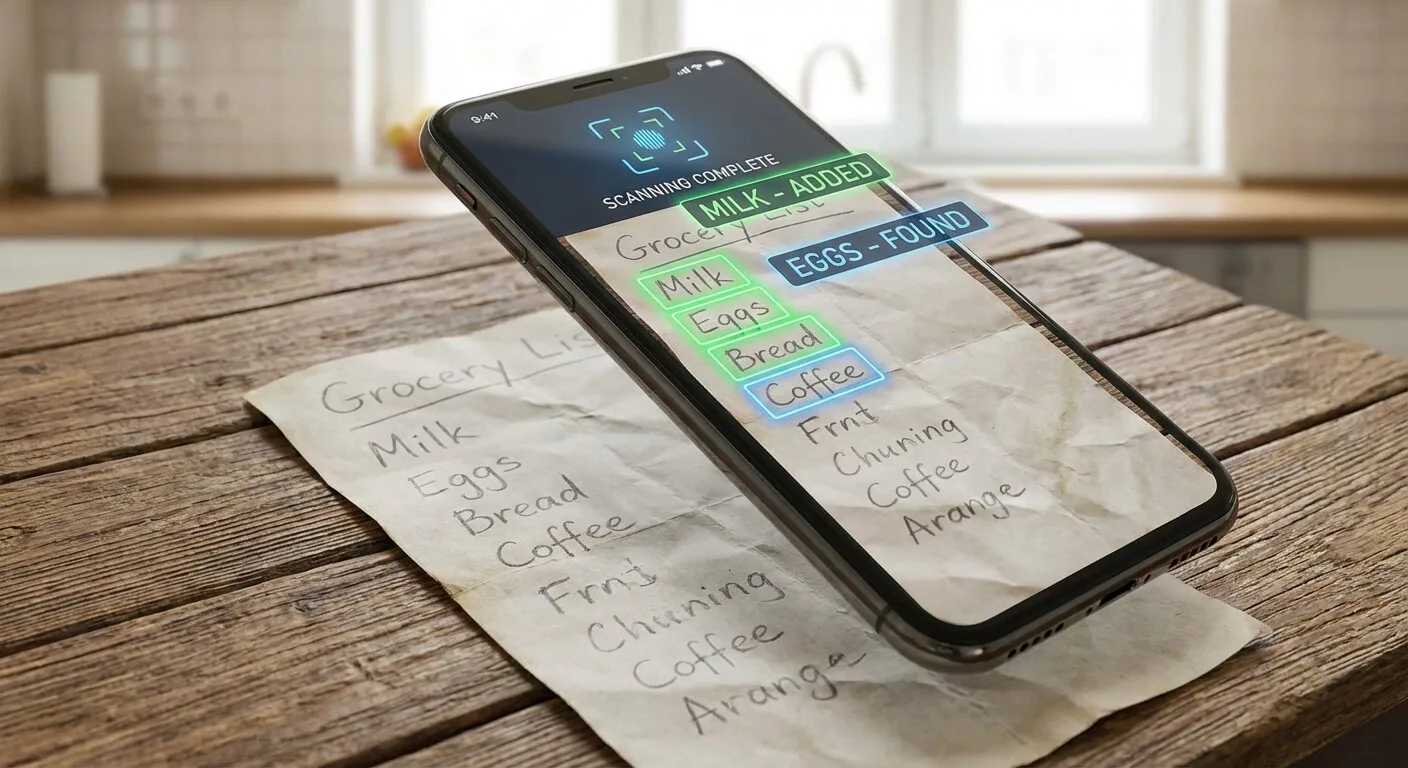
Uber Eats' Cart Assistant builds grocery orders from photos and handwritten lists. What AI product picks mean for brands on the digital shelf.
Uber Eats has introduced Cart Assistant, a new beta feature that uses AI to build grocery orders from photos or handwritten lists. The platform now helps select products for the user in seconds, a clear move toward automated shopping.
The assistant uses computer vision to analyze screenshots of recipes or photos of shopping notes, then matches those items with available store inventory. To make the experience faster, the AI prioritizes items from a user's previous orders, such as their preferred brand of milk or cereal. The aim is to cut the time spent browsing and move the customer directly from an idea to the checkout screen.
Grocery retailers and competing platforms now play by new rules for digital shelf space. In a traditional search, a customer might scroll through ten different types of pasta. An AI assistant often chooses the top match automatically, and a product that is not the primary suggestion effectively becomes invisible. Being the "default" choice is how a brand protects its market share.
Price, delivery speed and stock shape the AI's pick
The AI's pick often depends on factors like current price, delivery speed, and stock availability across the entire city. Without granular data, executives cannot tell whether their products are being sidelined by a competitor's promotion or a slight price difference. Manual tracking cannot keep up with an AI that updates its logic every few seconds.
With shopping moving from manual browsing to AI curation, brands need to see what the AI sees in each zip code and on each platform. Tools that monitor grocery pricing detect those shifts in price and positioning, so companies can adjust and remain the top choice for automated assistants.
If you want to monitor the grocery prices and positioning that shape AI product picks, contact our team at DoubleData.
