- Data analytics
Swiggy’s multi-restaurant checkout: a data-driven move to increase share of wallet
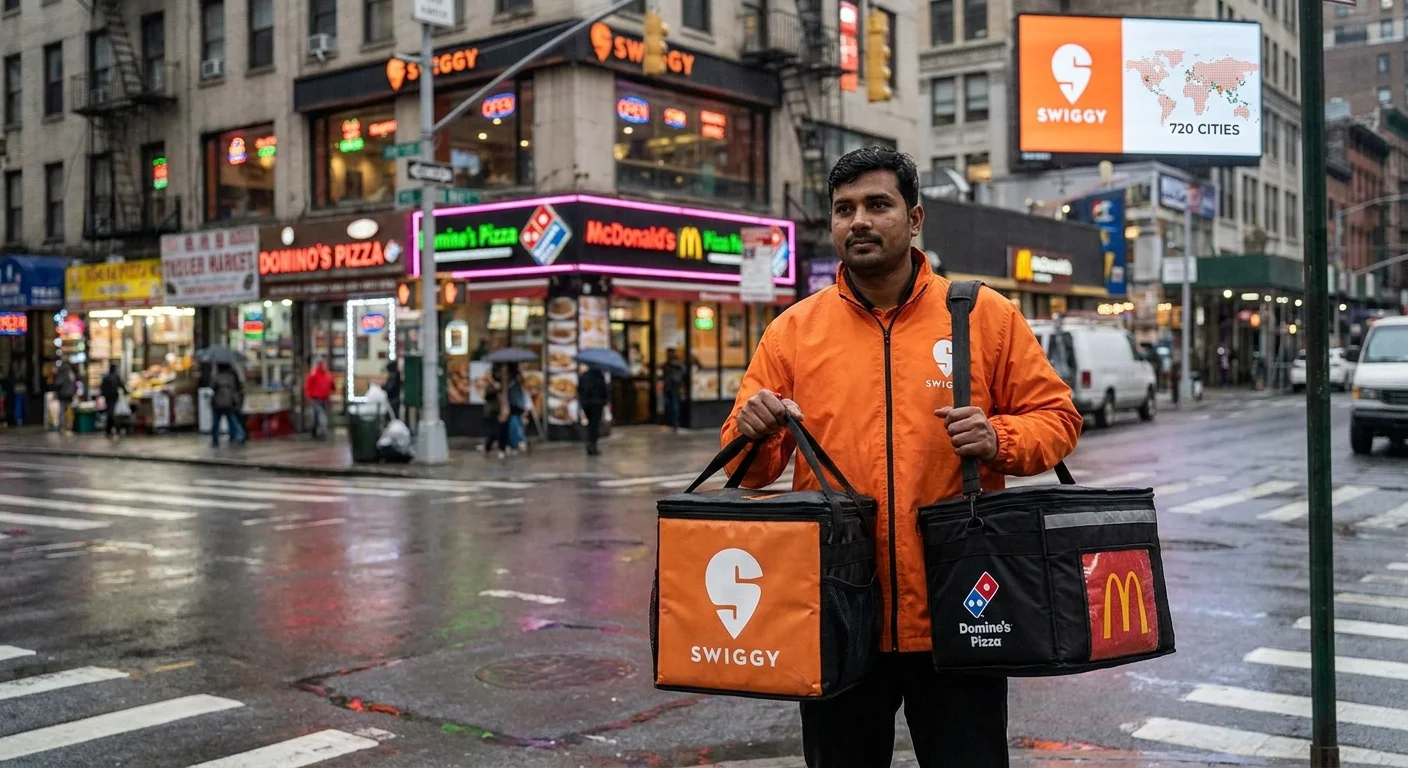
Swiggy's new multi-restaurant feature aims to reduce cart abandonment. Learn how restaurant density data drives these strategic platform shifts.
Swiggy has launched a new feature across 720 cities allowing customers to bundle orders from up to five different restaurants into a single checkout. This strategic move aims to eliminate friction from platform fees and capture the 55% of users who typically build multiple carts during a single session, significantly boosting the platform's average order value ahead of the festive season.
The food delivery landscape is shifting from simple logistics to complex consumer behavior management. Swiggy identified a clear pattern where one in five users places a second order within just 30 minutes of their first. By allowing a "food court experience" at home, the platform is solving the common household dilemma where different people want different cuisines. Instead of paying multiple platform fees and managing separate tracking screens, users now have a unified payment flow and a single shared tracking interface.
From a data intelligence perspective, this launch is not just a UI update. It is a sophisticated play on geographic density. For multi-restaurant ordering to be viable, the delivery radius of the selected restaurants must overlap significantly. If the restaurants are too far apart, the logistics costs of independent couriers or the delay in grouped deliveries would destroy the user experience. This feature works best in high-density urban areas where several popular brands operate within the same neighborhood.
Platforms and restaurant chains must look deeper into the map to understand how this affects their market share. When a user can mix a biryani from one brand with sushi from another, the competition is no longer just between similar cuisines. It is about being part of the "bundle." To succeed, restaurants need to know which other brands are frequently ordered alongside them and whether they are physically located in the right clusters to benefit from these combined checkouts.
Optimizing density for the multi-order era
As delivery platforms move toward bundling services, the physical location of a kitchen becomes more important than ever. Being outside the primary delivery cluster could mean being excluded from these high-value multi-restaurant carts. To understand how your locations align with competitors and complementary brands, businesses should Analyze Restaurant Overlap to identify high-potential delivery zones. This data allows directors to see exactly where their restaurants sit in relation to the wider market ecosystem.
If you need granular data to optimize your delivery footprint or track how competitors are clustering in specific cities, reach out to our team of experts. We provide the intelligence needed to stay ahead in rapidly evolving markets.
Contact us today to learn more: https://doubledata.com/about-us/contact
Source: Business Standard
