- Data analytics
Seattle’s Delivery Fee Rebellion: How Restaurants are Taking Back Control
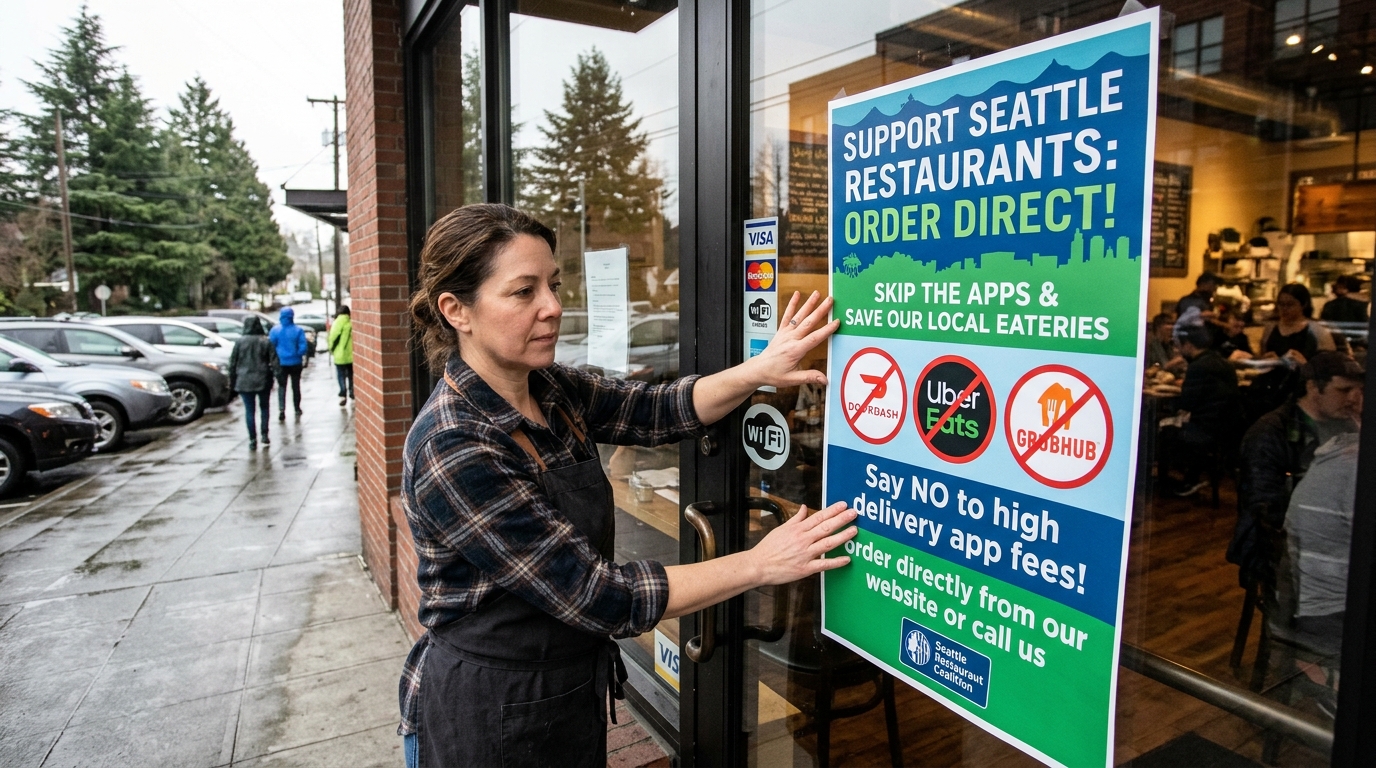
Seattle restaurants launch independent delivery networks like Yaku to combat rising app fees. Learn how data intelligence helps brands stay competitive.
Seattle’s delivery market has reached a breaking point, leading local restaurants to launch their own independent delivery networks. Driven by high platform fees and new labor laws, these businesses are choosing to bypass major apps to protect their margins and customer relationships.
The introduction of the PayUp legislation in Seattle was intended to provide drivers with better pay and job security. However, the market response was immediate. Major delivery platforms responded by adding a $5 surcharge to every order within city limits. This move has created a ripple effect, where the total cost of delivery often discourages consumers from ordering at all, leading to a visible drop in sales for many local restaurant chains.
In response, entrepreneurs like Uttam Mukherjee of Spice Waala have co-founded Yaku, a delivery service that operates on a flat-fee model. Unlike the major platforms that use complex algorithms and variable commissions, Yaku uses employee drivers and a transparent $9.99 delivery fee. This shift represents more than just a new competitor entering the field. It is a fundamental challenge to the current third-party delivery model, highlighting a growing desire for restaurants to regain control over the final price their customers pay.
From a data perspective, the Seattle situation reveals how volatile delivery pricing has become. For a brand owner or a platform executive, the difficulty lies in the lack of transparency. When a platform adds a surcharge or adjusts a service fee, it changes the restaurant’s value proposition without the owner’s consent. Relying on manual checks to see what customers are actually paying is no longer viable in a market where fees change based on neighborhood, time of day, and legislative shifts. Data intelligence allows companies to see through this fog by capturing the exact costs presented to the end user across different regions.
Winning the Pricing War through Data Intelligence
To navigate this complex environment, restaurant groups and delivery platforms must move beyond guesswork. Understanding the total cost of an order, including hidden service charges and variable surcharges, is the only way to maintain a competitive edge. Business leaders need to consistently analyze delivery fees to ensure their pricing remains attractive while protecting their bottom line. By monitoring these costs in real-time, brands can identify when a platform fee is making their menu uncompetitive compared to local alternatives.
As the delivery landscape continues to shift, staying informed is the best defense against margin erosion. If you are looking to optimize your delivery strategy with precise market data, contact our team today to learn how we can help you track the metrics that matter.
Source: https://www.thestranger.com/news/restaurants-are-banding-together-to-solve-the-delivery-app-mess/
