- Data analytics
The High Cost of Cheap App Deals: Navigating the Price Parity Trap
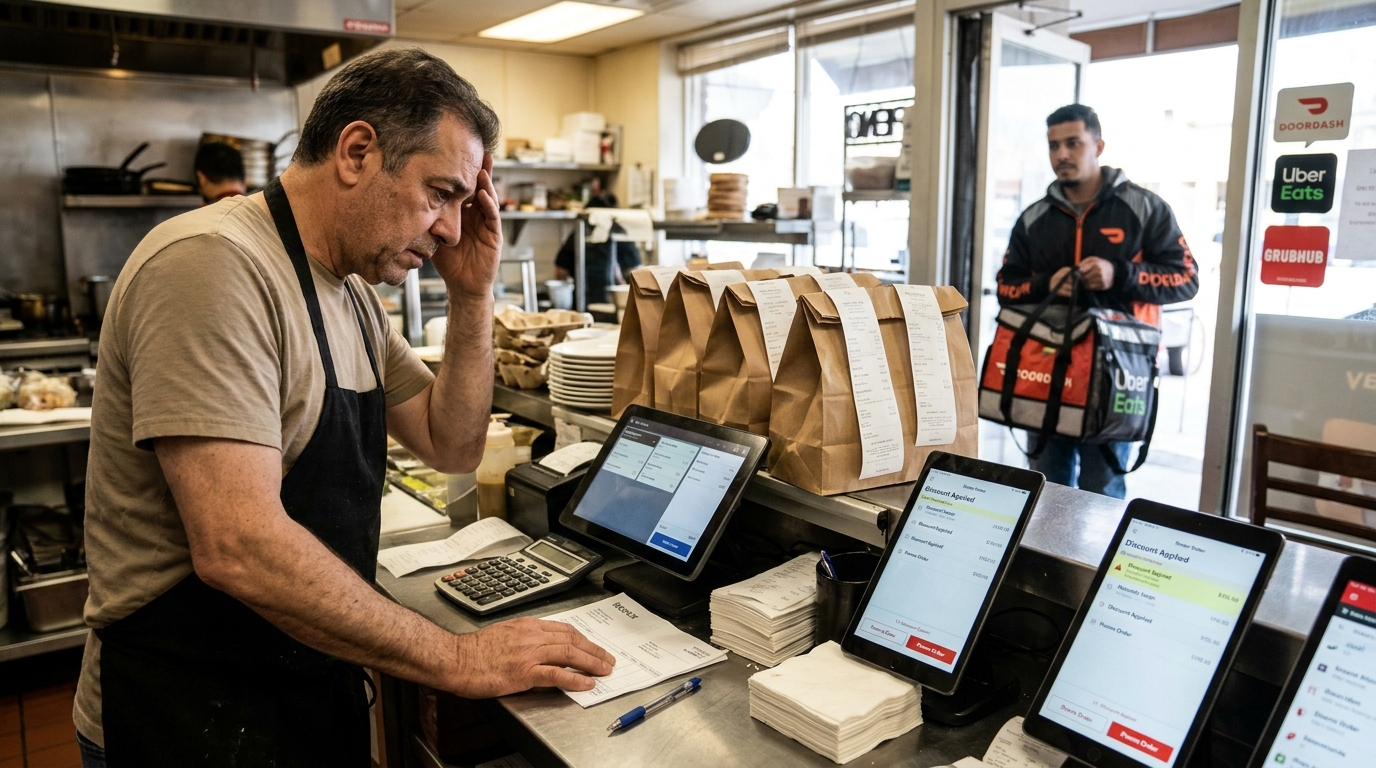
Discover why restaurant app promotions can be more expensive than counter prices and how platforms can use data to maintain price parity.
Recent market reports indicate that restaurant app promotions often mask significantly higher total costs compared to in-person dining. As consumers become more price-sensitive, platforms and chains must address the transparency gap or risk losing long-term brand loyalty.
For many consumers, a digital discount feels like an easy win. However, the reality behind the screen is more complex. A recent investigation highlights how promotional prices in food delivery and QSR apps can actually lead to higher spending. This happens through a combination of inflated base menu prices, service fees, and mandatory minimum spend requirements. When the final bill is calculated, the convenience of the app often comes at a steep premium that exceeds the advertised savings.
The core of the issue lies in price discrepancies between ordering channels. Research shows that a significant percentage of menu items are priced higher on third-party apps than on physical menus. When a restaurant applies a 10 percent discount to an item that is already marked up by 20 percent, the consumer is still paying more than they would at the counter. This lack of price parity can lead to \"sticker shock\" at checkout, damaging the trust between the platform and the user.
From a data intelligence perspective, this is a channel management challenge. Leaders in the food delivery space need to understand how their digital pricing compares to the physical reality of the restaurant. Manual audits are no longer sufficient to track these changes across thousands of locations and various delivery platforms. Without granular, real-time data, it is nearly impossible for executives to spot where their pricing strategy might be driving customers back to the counter or, worse, to a competitor.
Mastering the Balance of Online and Offline Pricing
To maintain a competitive edge, platforms and restaurant groups must move beyond simple promotional banners. They need to ensure that their digital storefront does not become a source of customer frustration. High service fees and inflated menu prices are often the primary reasons for cart abandonment and platform churn. By leveraging automated intelligence, brands can identify exactly where their digital pricing is out of sync with the market.
The most successful operators are now using sophisticated tools to analyze online vs offline pricing across their entire footprint. This visibility allows them to protect their margins while ensuring that a \"deal\" truly feels like a deal to the customer. In an era where every cent is scrutinized, data-driven transparency is the best way to build a sustainable and loyal customer base.
If you want to optimize your pricing strategy and protect your market share, reach out to our team to see how we can help you bridge the gap between digital and physical pricing. Contact us today.
