- Data analytics
Pennsylvania grocers back HB 1451 for third-party alcohol delivery
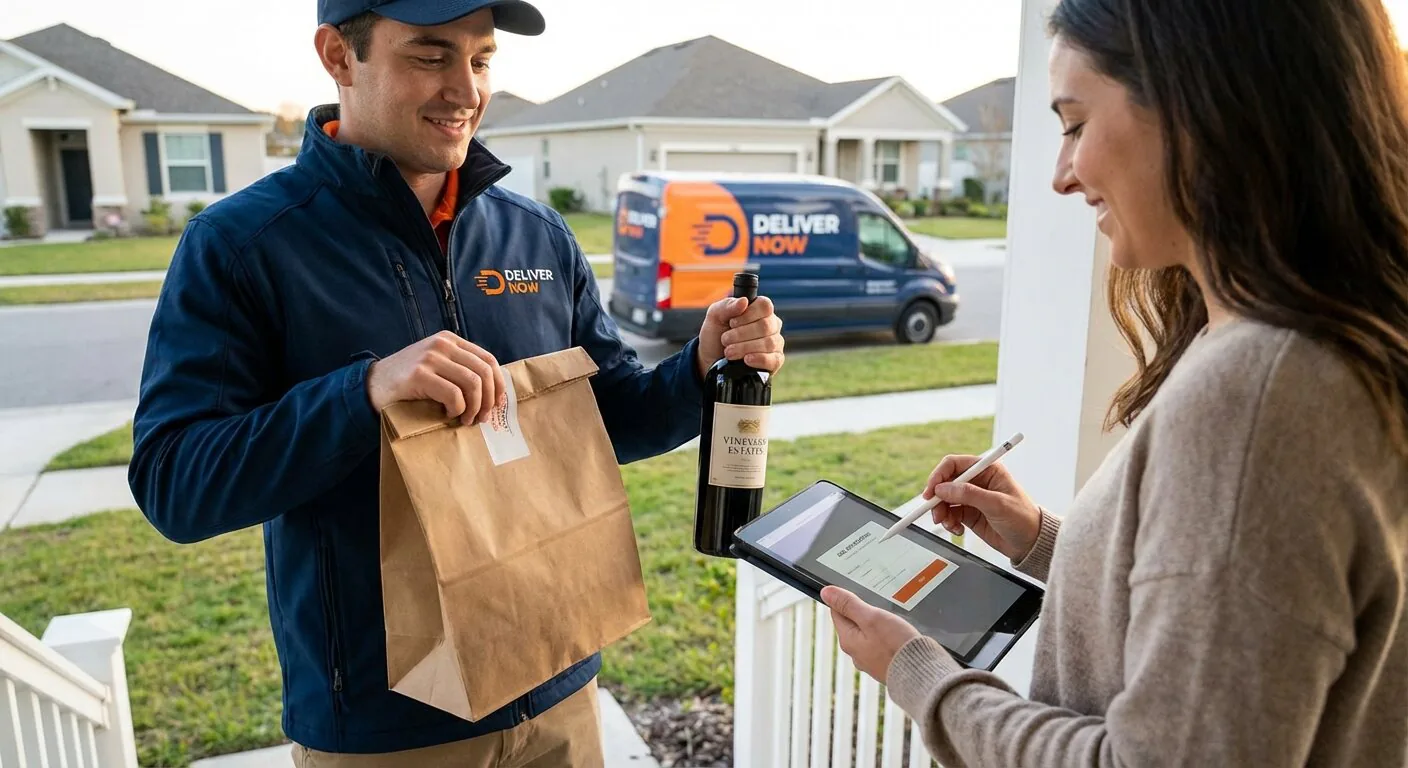
The Pennsylvania Food Merchants Association backs HB 1451, which would allow third-party alcohol delivery. What it means for order values and TAM.
The Pennsylvania Food Merchants Association (PFMA) has backed House Bill 1451, which would allow third-party transport of alcohol across the state. The legislation aims to meet rising consumer demand and give retailers operating on thin margins a much-needed revenue boost.
House Bill 1451 would modernize the Pennsylvania Liquor Code with a "Class D Transporter-for-Hire" license, allowing licensed third-party services to deliver beer, wine, and ready-to-drink cocktails directly to consumers on behalf of retailers. Pennsylvania's strict liquor laws have long limited the "one-stop-shop" experience that customers now expect from grocery and food delivery services. Passing the bill would align the state with over 30 other states that have already successfully implemented similar delivery models.
Safety and compliance are central to the bill. It includes strict age-verification standards and clearly assigns responsibility to the transporter at the point of delivery, where trained drivers verify the age and sobriety of the recipient. That gives the retailers who package the orders a layer of liability protection and lets grocery stores and restaurants focus on their core operations while expanding their reach through external delivery partners.
Alcohol raises order values and the addressable market
Delivery platforms and wholesale giants would gain a massive expansion of the Total Addressable Market. Adding high-margin items like alcohol to a standard grocery or restaurant order significantly increases the average order value. Regional response is harder to see. Data by region shows how different areas respond to the availability of alcohol delivery and how it shifts consumer behavior across city tiers, which lets companies measure the actual scale of the opportunity.
As the bill moves through the PA House Liquor Control Committee, a full catalog that includes alcohol will become a primary differentiator for delivery apps and retailers alike. Companies that monitor TAM growth across the state can target expansion at the most profitable zones while maintaining compliance with local standards.
If you want to size the alcohol delivery opportunity in Pennsylvania region by region, contact our team at DoubleData.
