- Data analytics
New York wage mandates threaten to push food prices to record highs
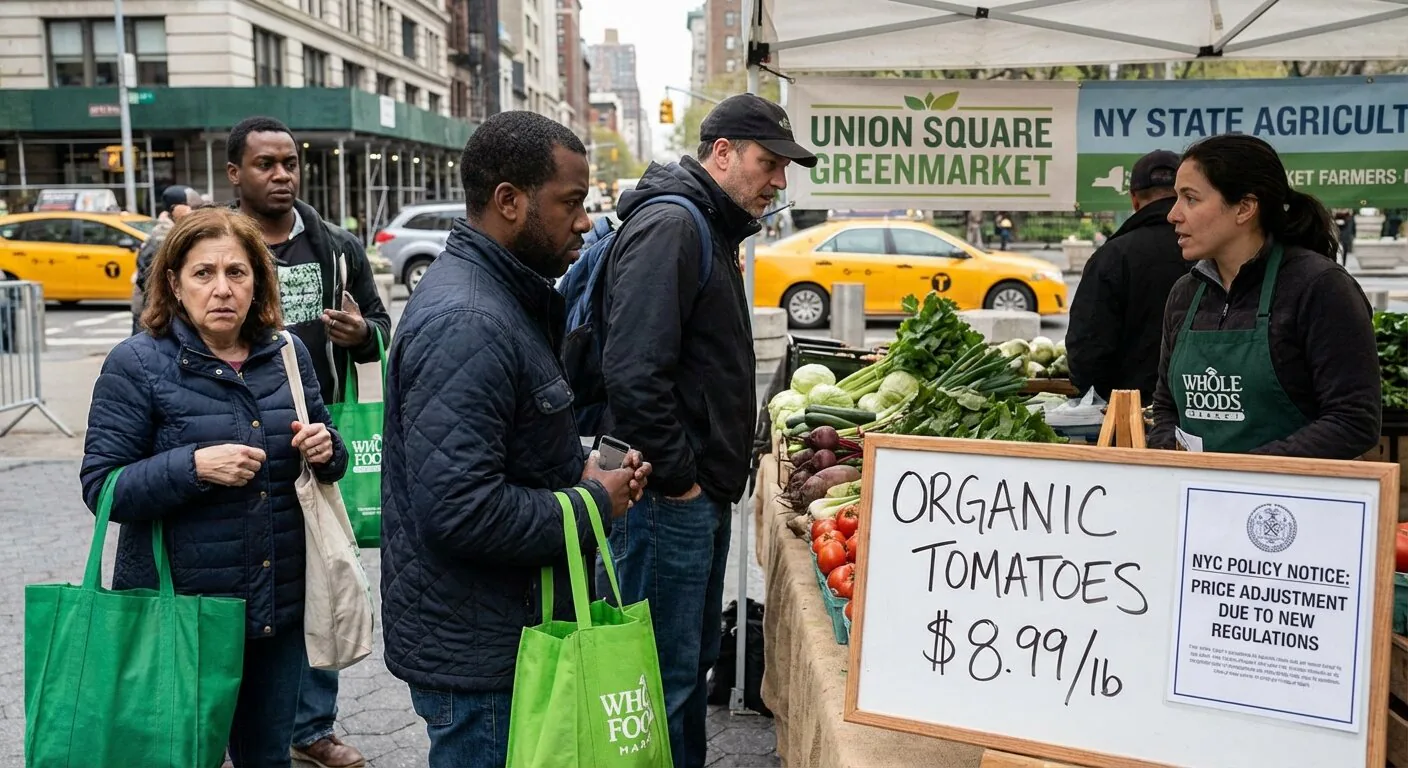
New York's delivery driver wage rules and the push to end the tipped-wage credit are driving up food costs. How platforms protect margins with market data.
New York City's new labor rules threaten to push food prices to record highs. The city is implementing higher minimum wages for delivery drivers and exploring an end to the tipped-wage credit, so food delivery platforms and restaurant chains must find new ways to protect their margins in an increasingly expensive market.
Mayor Zohran Mamdani recently won on a platform of fighting inflation while increasing worker pay, and he is moving forward with an agenda that targets the food industry. City policy now puts labor mandates ahead of traditional cost structures. The stated goal is to make dining more affordable for residents, yet the economic reality is proving much more complex, and the first effects are already rippling through the digital and physical marketplace.
In 2023, New York became the first major city to set a minimum wage for app-based delivery drivers. Data shows that delivery costs spiked by 10 percent almost as soon as the mandate took effect, while the delivery workforce shrank by 8 percent as platforms were forced to cap the number of active drivers. Platform executives now carry higher operating costs and a more restricted labor pool at the same time. The city council has since expanded the mandate to grocery delivery drivers, pushing the base rate to over $21 per hour, and the trend is expected to grow.
Restaurants face a second cost. A growing movement wants to eliminate the tipped-wage credit, which has let hospitality businesses manage labor costs for decades by counting tips toward the minimum wage. Removing it would mean a massive jump in base labor costs, and history suggests businesses would respond with service fees or significantly higher menu prices to survive. Washington, D.C. made a similar move, which led to a 5 percent drop in full-service restaurant jobs and millions of dollars in lost earnings for tipped workers.
Manual tracking cannot keep up with a city-wide policy change. Large restaurant chains and delivery giants need to know exactly how competitors adjust pricing across boroughs and neighborhoods, and whether they absorb the cost to keep market share or test new price ceilings. Price too high and you lose volume; price too low and you lose margin. Data intelligence makes these shifts visible and turns a chaotic regulatory environment into a series of manageable data points.
Salt and sugar labeling rules add the next cost
Menu labeling laws for salt and sugar are part of the next round of mandates, and the cost of doing business in New York will continue to climb. These regulations often carry hidden administrative burdens that hit smaller establishments and large chains differently. Pricing has to be proactive, so companies need to monitor the market and see where consumer demand stays resilient despite rising costs.
The number to watch is how competitors and partners reprice after each new NYC labor law. Menu Prices data tracks those reactions, so your pricing stays competitive and your bottom line is protected from regulatory shocks.
For more information on how to integrate high-frequency market data into your strategy, please contact our team here.
Source: https://www.city-journal.org/article/zohran-mamdani-new-york-food-prices
