- Data analytics
Malaysia Mandates All-Inclusive Pricing: What It Means for Food Delivery
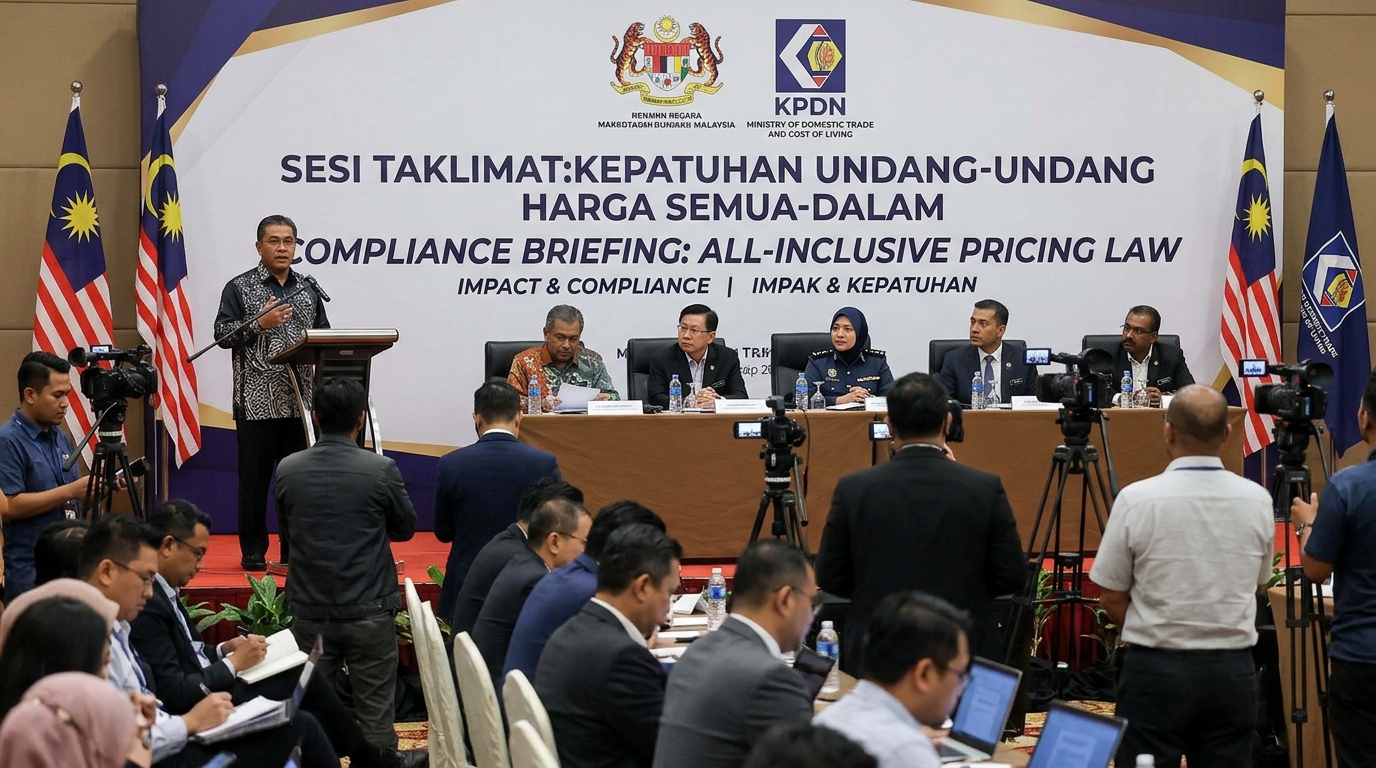
Malaysia will enforce all-inclusive pricing for food delivery by 2027. Learn how real-time data helps platforms and QSRs stay compliant with the new law.
Malaysia’s Domestic Trade and Cost of Living Ministry has issued a final warning to restaurant owners and delivery platforms regarding hidden charges. Starting January 2027, all advertised food prices must include taxes, service charges, and platform fees to ensure full transparency for consumers.
The practice of showing a low price on the menu only to add Sales and Service Tax (SST) and platform fees at the final checkout screen is now officially against the law. Minister Armizan Ali stated that this practice confuses customers and prevents them from making informed decisions. The government has allowed a period for advocacy and adjustment, but the window for compliance is closing quickly as full enforcement begins next year.
For large-scale food delivery platforms and QSR chains, this change is more than just a cosmetic update. It requires a fundamental shift in how digital menus are managed. Every listed price must now be all-inclusive. This becomes complex when dealing with thousands of different merchants, each with their own service charge structures and tax statuses. If a platform displays an outdated price that does not include these variables, it risks a corporate fine of up to RM100,000 per offense.
Manual monitoring of these price points is impossible at scale. Without granular data, platforms cannot be sure if their merchants are compliant or if their own algorithms are correctly applying taxes in the displayed price. Data intelligence provides a way to audit thousands of listings simultaneously, ensuring that the price a customer sees on the home screen matches the price they pay at the end. Without this transparency, platforms face not only legal risks but also a significant loss of consumer trust.
The Strategic Path to Price Transparency
As the January 2027 deadline approaches, leaders in the food delivery space must prioritize price integrity. The focus should be on creating a seamless user experience where the final total is clear from the very first click. This level of transparency avoids legal penalties and builds significant trust with a consumer base that is increasingly sensitive to hidden costs.
To stay ahead of these regulatory changes and maintain a compliant digital storefront, businesses should leverage Real-Time Menu Prices to audit their listings across all regions. Ensuring that your advertised prices are 100 percent accurate is no longer a choice, it is a legal requirement.
Contact our team today to learn how we can help you navigate these new transparency standards: https://doubledata.com/about-us/contact#form
Source: https://www.malaysiakini.com/news/888494-minister-says-hidden-charges-in-food-order-against-the-law
