- Data analytics
LINE MAN Wongnai IPO at Risk: The High Cost of Rigid Price Controls
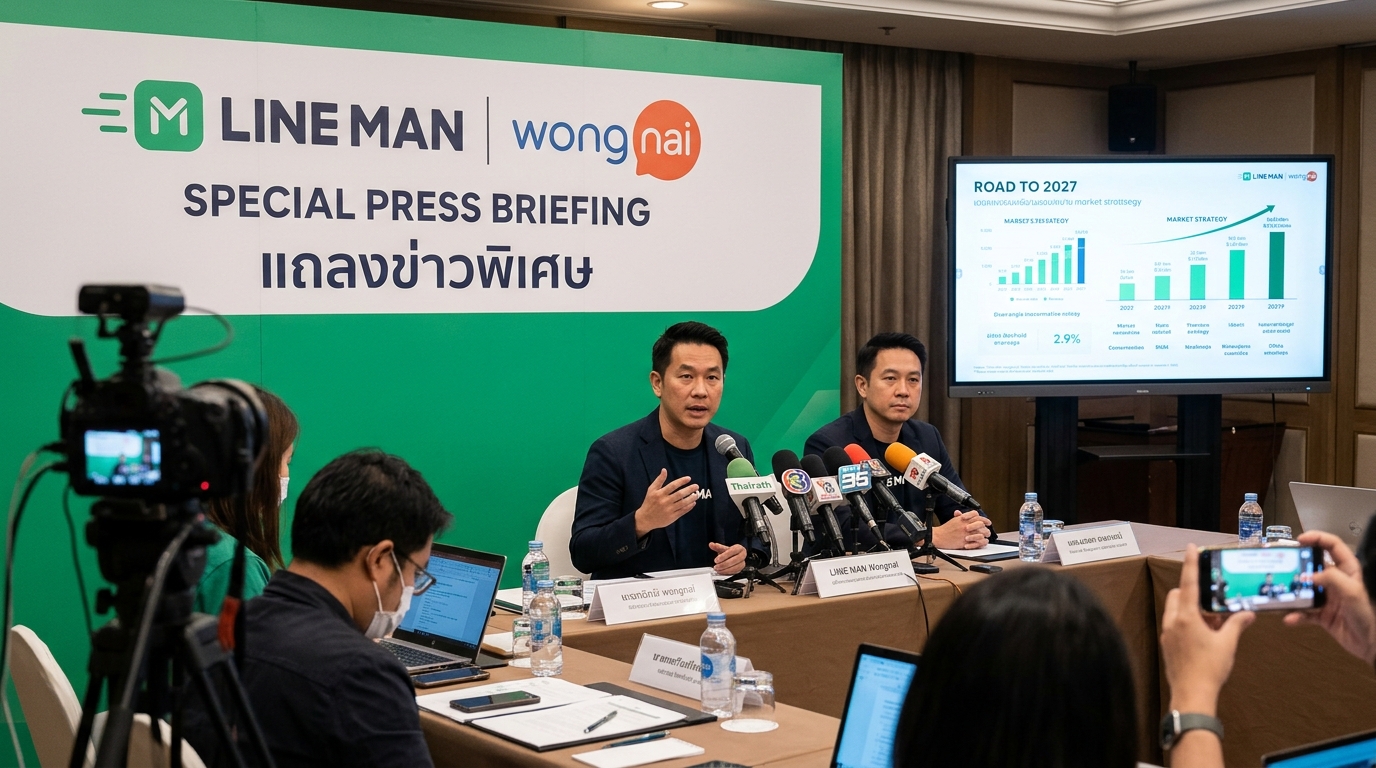
LINE MAN Wongnai warns that TCCT's 180-day price notice rule threatens its 2027 IPO and market stability. Learn how data intelligence protects margins.
LINE MAN Wongnai is publicly challenging a new proposal by Thai regulators that would require platforms to give 180 days’ notice before changing service fees. This regulatory move could disrupt the company’s 2027 IPO plans and fundamentally weaken the agility of the food delivery market.
The Trade Competition Commission of Thailand (TCCT) aims to tighten oversight on digital platforms, but the industry is pushing back. LINE MAN Wongnai CEO Yod Chinsupakul argues that a six-month waiting period for fee adjustments ignores the reality of daily market volatility. In the food delivery sector, operating costs are not static. Factors such as fuel price fluctuations, sudden weather disruptions, and shifting consumer demand require platforms to pivot quickly to remain profitable.
There is also a significant concern regarding how the market is defined. The CEO urged regulators to treat food delivery and ride-hailing as separate markets. Lumping them together can distort market share assessments, making a company look more dominant than it actually is in a specific niche. For investors looking toward the 2027 IPO, this regulatory uncertainty creates a 'chilling effect,' as it makes long-term financial forecasting nearly impossible.
The ripple effect of these price controls could reach far beyond the platform itself. If a business cannot adjust its pricing structure to match rising costs, it may be forced to scale back services in regional provinces or reduce incentives for riders. This would eventually hurt the very restaurants and consumers the regulator is trying to protect. Without high-frequency data to justify these shifts, platforms are left defenseless against claims of anti-competitive behavior.
From a data intelligence perspective, the gap between regulatory intent and market reality is often a lack of real-time visibility. When platforms can demonstrate exactly how external variables influence their costs, they can build a stronger case for pricing flexibility. Rigid rules often stem from a misunderstanding of how frequently delivery ecosystems must rebalance their fees to survive.
The Strategic Path Toward Data-Driven Agility
To navigate this tightening regulatory environment, platforms must move away from reactive pricing and toward a model of transparent, data-backed evidence. High-level executives need to prove that fee adjustments are a response to market forces rather than arbitrary decisions. By utilizing Dynamic Pricing Intelligence, companies can monitor the competitive landscape and operational variables in real-time, providing the necessary documentation to satisfy regulators while maintaining their margins.
As the 2027 IPO approaches, the ability to demonstrate a sophisticated handle on market data will be the difference between a successful listing and a stalled debut. Investors prize clarity and the ability to manage risk. In a world where regulators want to slow things down, having the data to move fast is your greatest competitive advantage.
To learn how our data solutions can help your platform maintain its edge, reach out to our team at DoubleData Contact.
Source: https://www.nationthailand.com/business/corporate/40073508
