- Data analytics
South Korea launches two-month crackdown on illegal delivery riders
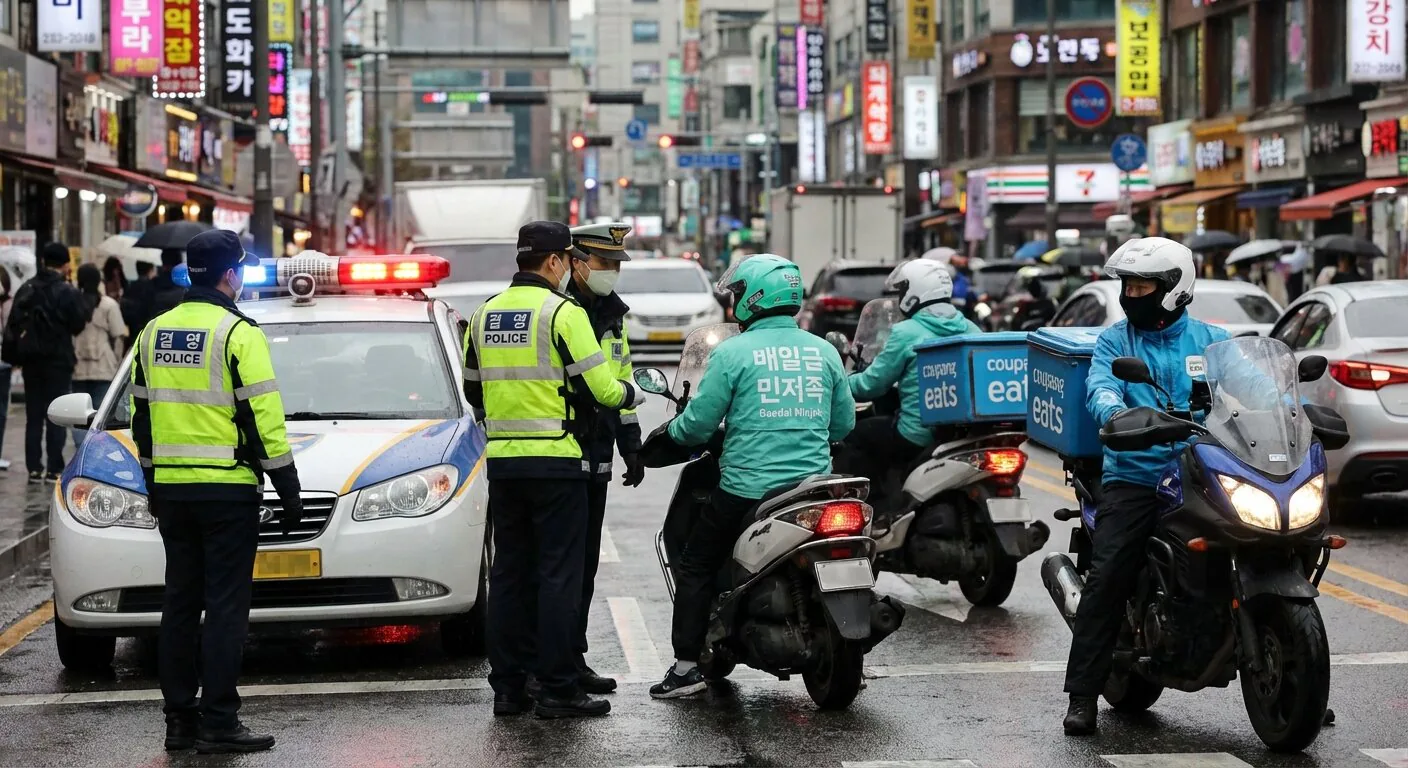
South Korea's Justice Ministry is removing illegal foreign riders from food delivery in March and April. What it means for courier supply and fees.
The South Korean Justice Ministry has announced an intensive two-month enforcement period to remove illegal foreign riders from the food delivery sector. The crackdown targets unauthorized employment and identity fraud, and it could bring sudden shifts in courier availability and operational costs for major delivery platforms.
The crackdown runs through March and April and responds to a sharp increase in unauthorized workers within the logistics industry. Government data shows that the number of foreign nationals caught working illegally in this sector tripled between 2023 and 2025. Many are international students or visitors using borrowed or falsified identities to access delivery apps. The ministry is specifically looking at private delivery agencies that allegedly recruit foreign workers almost exclusively to charge higher commissions while providing no insurance coverage.
Platforms like Baemin and Coupang Eats face an operational problem: many platforms outsource rider recruitment to these private agencies, which leaves a clear visibility gap. If a large portion of the workforce is suddenly removed due to fines or deportation, delivery times will likely increase in high-density urban areas. The ministry has also warned that Korean nationals who lend their accounts to unauthorized riders may face criminal charges, which will force platforms to implement stricter, and perhaps more expensive, identity verification protocols.
Fewer riders push delivery fees up
Gig-economy labor supply is fragile, and aggregate numbers do not show how a workforce reduction affects service levels. When the available pool of riders shrinks, delivery fees typically rise to attract the remaining legal couriers. Without granular tracking, these price hikes and service delays might look like random market fluctuations, yet they are directly tied to the shifting composition of the delivery fleet in specific neighborhoods.
The delivery industry is moving into a more regulated environment as the government enforces residency rules for foreign nationals. Benchmark Competitor Fleet data shows where delivery times might slip and where platforms need incentives for legal riders. Platforms that act there can hold service quality and market share while others struggle with sudden labor gaps.
If you need to see how the March and April crackdown affects your delivery times and your competitors' fleets, contact our team here: https://doubledata.com/about-us/contact
Source: https://www.koreaherald.com/article/10690108
