- Data analytics
Taiwan regulators question Grab's $600M foodpanda deal over Uber stake
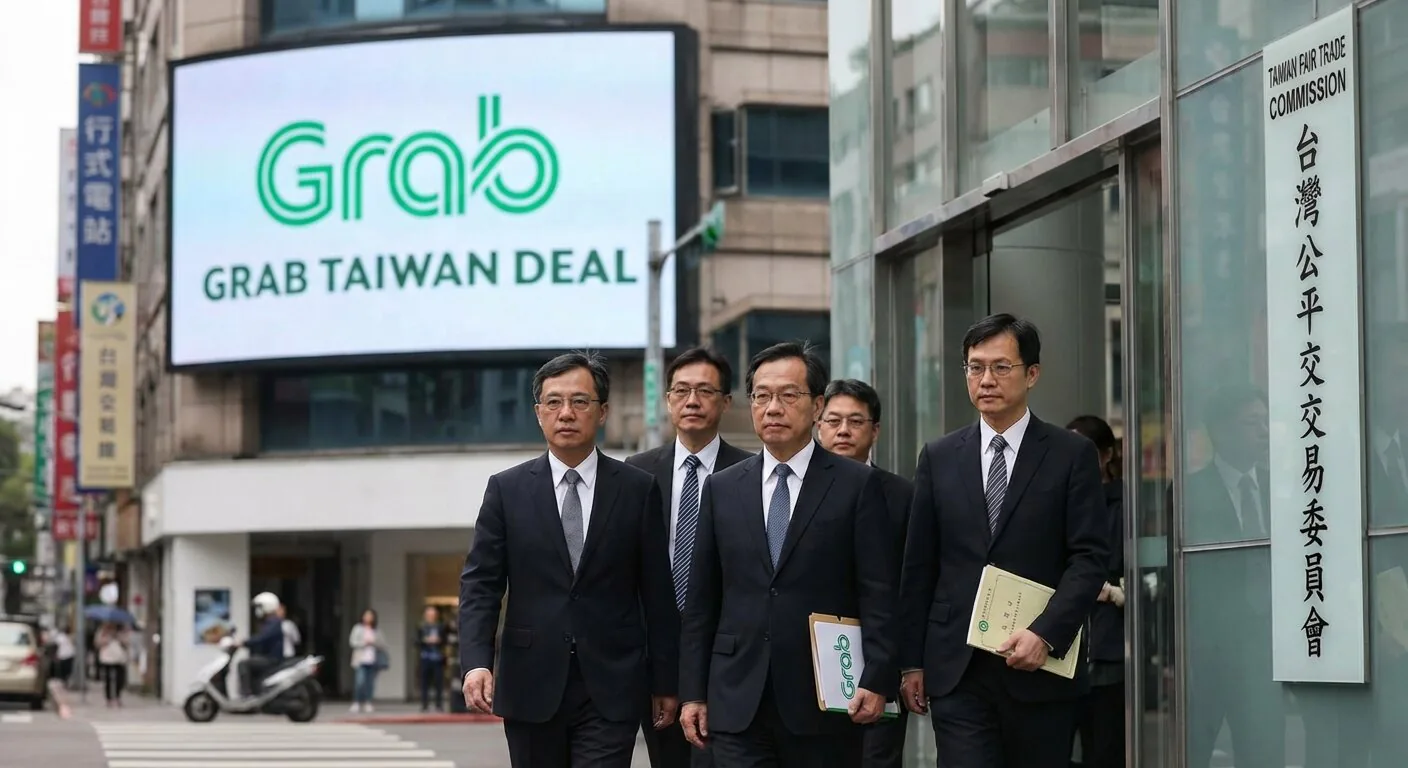
Grab's acquisition of Foodpanda Taiwan faces regulatory pushback over Uber's stake. Discover how market share data influences antitrust decisions.
Grab Holdings' attempt to enter the Taiwan market through a $600 million acquisition of Foodpanda is facing intense regulatory pressure. Grab has tried to distance itself from Uber's minority stake, yet Taiwanese authorities remain focused on the potential for market domination and reduced competition.
The takeover bid takes Grab beyond its Southeast Asian roots, with the aim of completing the transition by early 2027, and it has hit a wall of skepticism. The primary concern for the Fair Trade Commission (FTC) is the relationship between Grab and Uber: since Uber holds a 13.1 percent stake in Grab, regulators worry that the two giants might still exert combined control over the delivery sector. Grab has pushed back, stating that Uber's voting rights are restricted to under 4 percent and that Uber directors are excluded from Taiwan-specific decisions.
In 2024, the FTC blocked Uber's own attempt to buy Foodpanda, noting that a combined entity would control roughly 90 percent of the market. Grab is a new player in Taiwan, and that earlier decision still shapes the review. Regulators are now asking about "actual control" and the potential for market abuse as well as ownership, and Grab has to prove that its entry will foster healthy competition instead of creating a monopoly through the back door.
Regulators reviewing a merger check geographic density, merchant overlap, and how pricing fluctuates in specific city centers. A company without granular data has little to argue with when it faces the perception of a monopoly. To show that a market remains competitive, it has to show that merchants still have choices and that demand, instead of a lack of alternatives, drives pricing. Automated data tracking gives legal and operations teams that evidence.
Acquirers have to prove the deal benefits consumers
Any food delivery platform that grows through acquisition has to prove the move benefits the consumer. In Taiwan, the FTC is particularly concerned with rising costs for worker protections and how those costs might be passed on to merchants or users. Leadership teams need objective, third-party insights that benchmark their position against the rest of the industry. Market Share Benchmarking gives them a data-backed picture of the competitive market and keeps the conversation on what is actually happening in it.
Through the review process, which continues through 2026, Grab will need to demonstrate that its "super app" model, which integrates payments and ride-hailing with food delivery, creates a new type of ecosystem instead of swallowing an existing one.
Platforms weighing an acquisition in a market under antitrust review can take their market share questions to our team: Contact DoubleData
Source: https://ts2.tech/en/grab-holdings-600-million-foodpanda-taiwan-deal-faces-fresh-scrutiny-over-uber-stake/
