- Data analytics
Gulf watchdogs target hidden fees and ranking algorithms in delivery
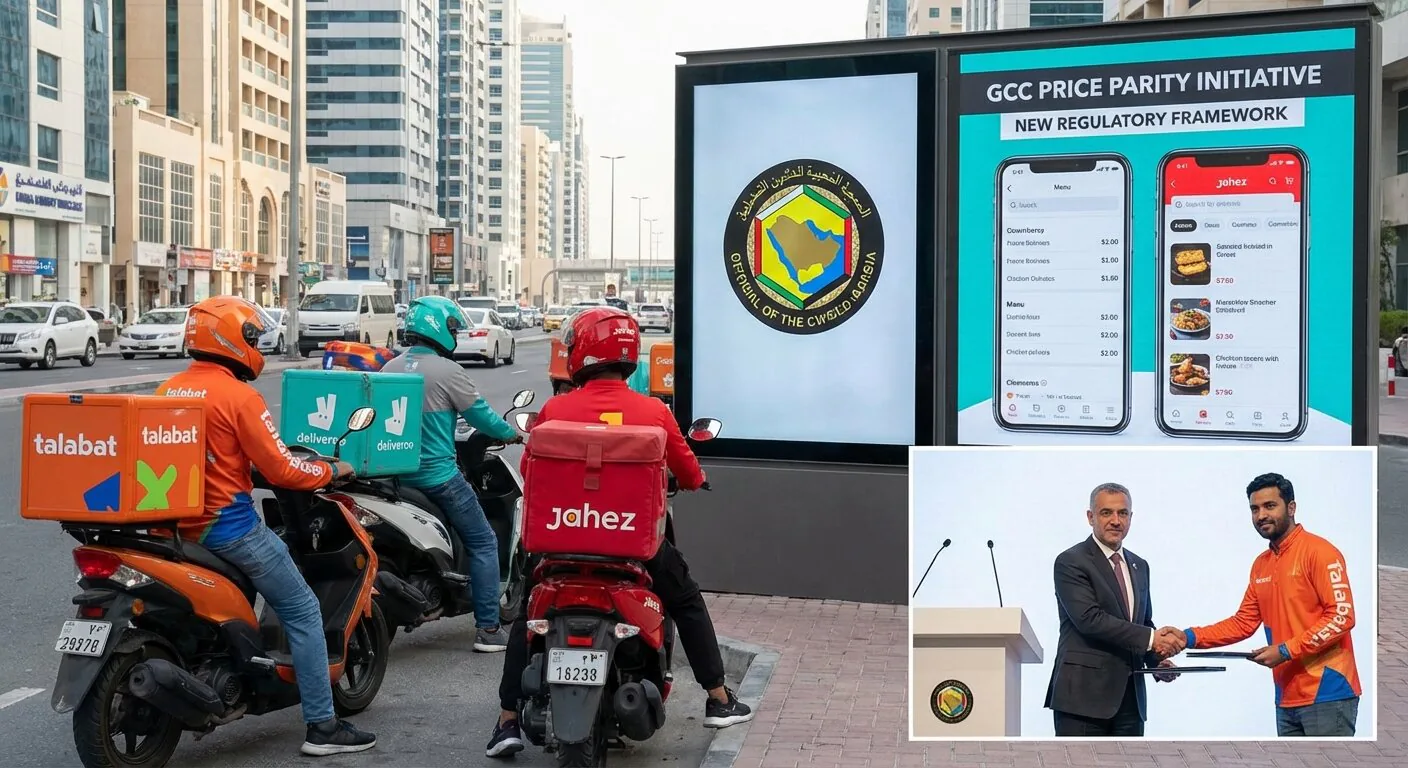
Gulf regulators are cracking down on food delivery fees and algorithms. Learn how price parity and transparency rules impact the GCC market.
Governments across the Gulf are introducing strict new regulations to curb anti-competitive practices in the food delivery sector, from hidden fees to discriminatory search algorithms. Watchdogs in Kuwait, the UAE, and Saudi Arabia are stepping in, and platforms must now prioritize transparency to remain compliant.
Major aggregators dominated the GCC market for years by using complex fee structures and exclusivity agreements. That helped platforms grow quickly, yet it often left restaurants with thin margins and consumers with confusing final bills, and regulators now want to restore balance and protect the local economy.
In Kuwait, new rules have fixed commissions and banned hidden fees for a three-year period. Platforms in the UAE are now required to be transparent about how their algorithms rank listings. Even Saudi Arabia, a market known for aggressive customer acquisition subsidies, is introducing guidelines to ensure fair pricing. The rules also aim to let smaller restaurant owners compete without being squeezed by platform power.
When regulators demand "menu price parity," they expect the price on the app to match the price at the restaurant, and tracking that across thousands of venues is a massive task that traditional manual audits can no longer cover. Without granular data intelligence, a platform might unknowingly violate new transparency rules, leading to heavy fines or even temporary suspensions, as seen recently in Qatar.
App prices and in-store menus now have to match
Platforms can no longer compete on subsidies alone. Delivery platforms and restaurant chains need pricing transparency and a clear view of how their digital offerings align with their physical menus. Companies that analyze price parity can bridge the gap between app listings and in-store menus and stay compliant as the rules change.
Check your app prices against your in-store menus before regulators in Kuwait, the UAE or Saudi Arabia do: contact DoubleData.
