- Data analytics
FTC seeks comment on a national rule against hidden delivery fees
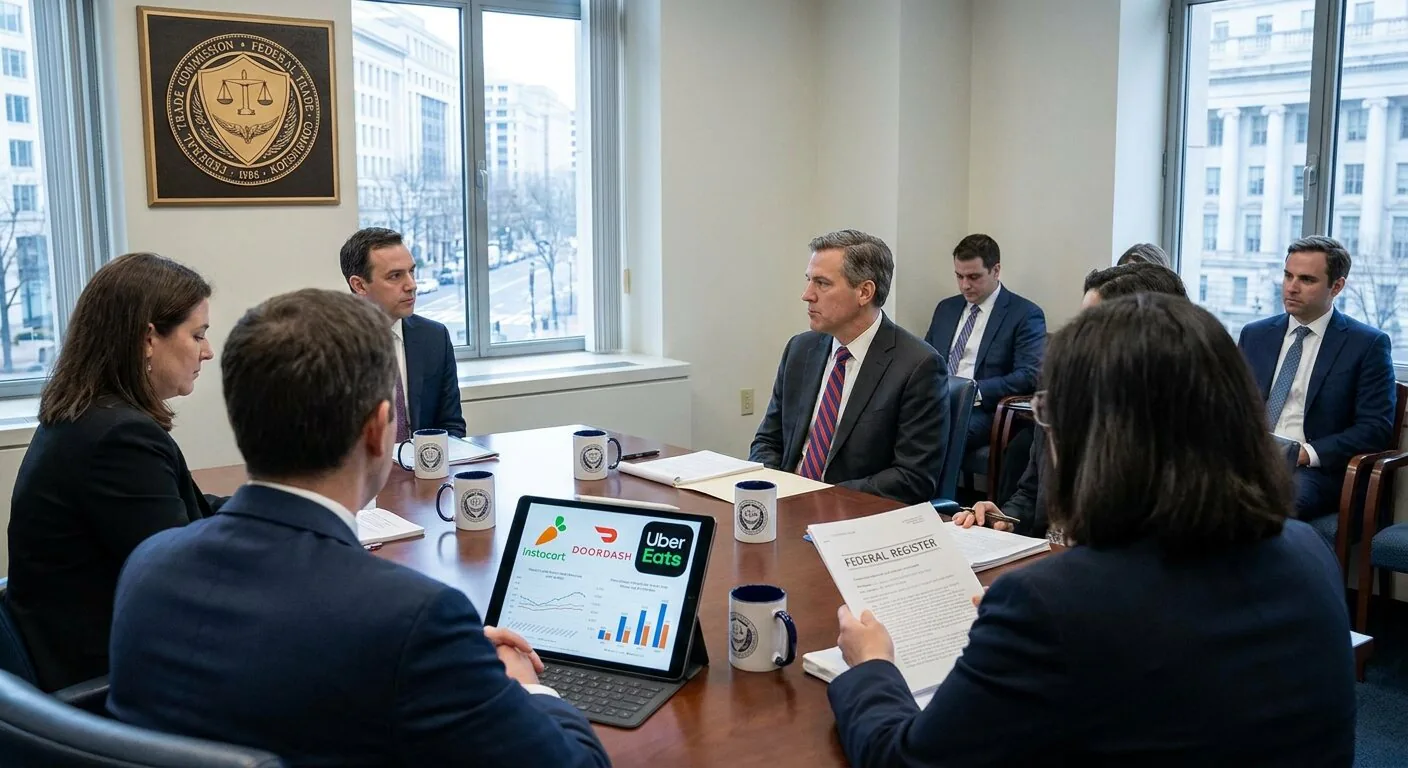
The FTC is weighing a national rule against hidden fees and deceptive pricing on grocery and food delivery platforms. How price parity data helps.
The Federal Trade Commission is moving toward a national rule to eliminate hidden fees and deceptive pricing on food delivery platforms. A federal mandate would replace state-level enforcement and could reshape how platforms communicate costs to consumers.
In its recent announcement, the FTC said it is seeking public comment on a potential new rule to tackle unfair or deceptive fee practices. The step follows significant settlements with major players like Instacart and Grubhub over the last two years. Some states have already implemented their own transparency laws, yet the federal government believes a uniform national standard is necessary to protect consumers and ensure fair competition across the country.
The push centers on total price transparency. The FTC is asking whether platforms clearly disclose the full cost of an order before the final checkout screen, including service fees, delivery charges, and perhaps most importantly, the difference between online prices and in-store prices. For platforms managing millions of transactions, that level of clarity is a legal challenge and a massive data management hurdle.
Hidden price gaps often start with outdated merchant data
Fees often depend on dynamic variables like location, order size, and courier availability, which makes them hard for companies to audit without high-quality data intelligence. Many platforms face price discrepancies they might not even be aware of, caused by outdated merchant data or inconsistent regional menu updates. Automated data gathering shows exactly what the consumer sees in each market and where fee disclosures might fall short of the FTC's proposed standards.
Knowing how digital shelf prices compare to physical store prices is the first step in avoiding deceptive pricing allegations. Platforms that analyze price parity can bridge the gap between online and offline costs and stay compliant and competitive as regulation tightens, instead of reacting with settlements.
If you want to audit how your app prices and fees compare with in-store prices, get in touch with DoubleData.
Source: Supermarket News
