- Data analytics
Will EU Labor Rule Changes Drive Up Irish Food Delivery Costs?
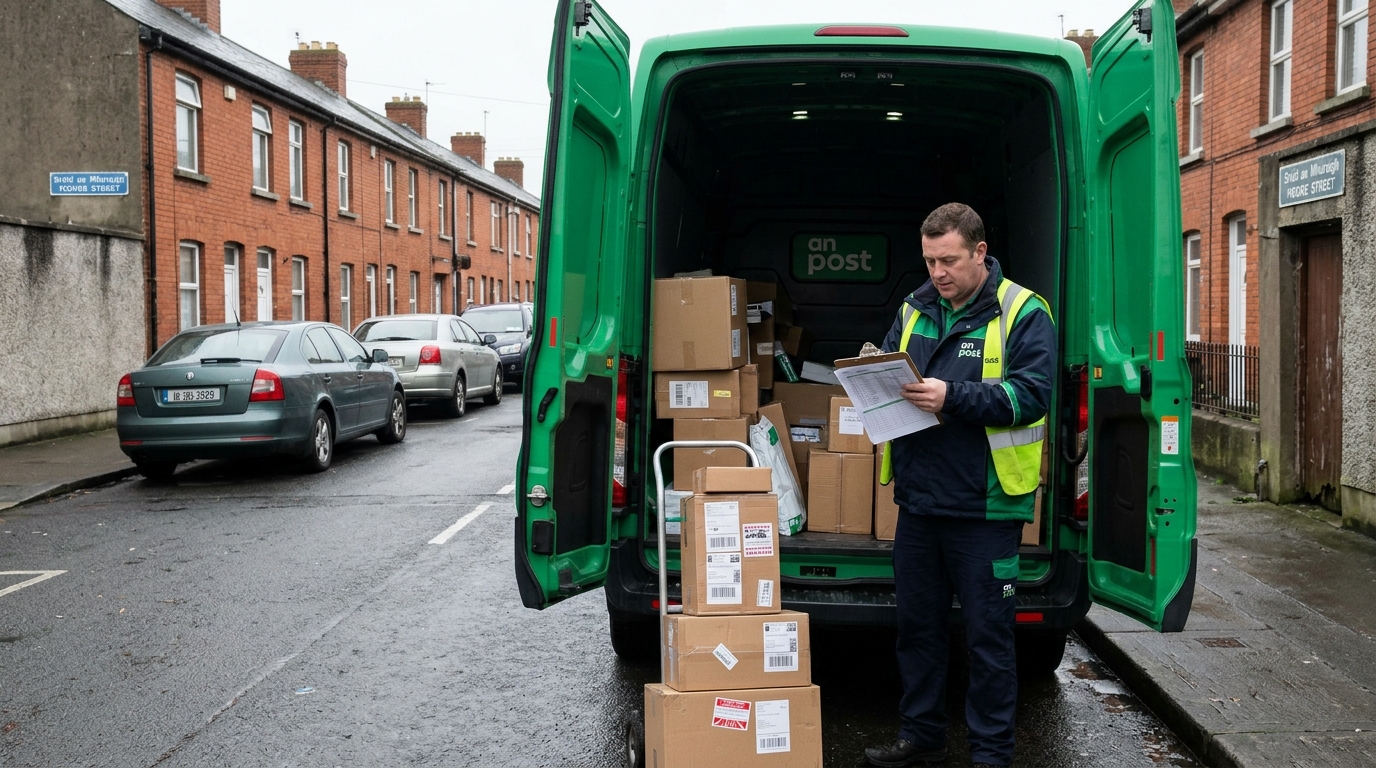
The EU Platform Work Directive is set to change Irish food delivery. Explore how employment rules will impact fees, margins, and market competition.
Ireland is approaching a major regulatory shift that could fundamentally change the economics of food and grocery delivery. The EU Platform Work Directive, set for implementation this December, creates a legal presumption that delivery riders are employees rather than independent contractors, potentially triggering a significant rise in operational costs for major platforms.
The core of this change lies in how much control a platform exerts over its workers. Under the new directive, if an app directs and controls the work of a rider, that rider is presumed to be an employee. This shifts the burden of proof to the platform to show otherwise. In Ireland, the Supreme Court has already set a strict precedent with the Karshan (Midlands) Ltd case, which found that delivery drivers were employees despite their contract terms. As the December 2nd deadline approaches, the industry is bracing for the financial impact of providing social protections and minimum wages to thousands of riders.
For restaurant chains and grocery giants, the stakes are high. Restaurants already operate on thin margins, often between 3 and 5 percent, while paying platform commissions as high as 35 percent. If platforms face higher labor costs, they will likely pass these expenses down the chain. This could manifest as higher commission rates for vendors or increased delivery fees for the end consumer. We are already seeing platforms like Deliveroo expand rapidly into groceries, which now account for 18 percent of their gross transaction value. The higher basket value of a grocery shop makes it easier to absorb labor costs compared to a single takeaway order, but it does not eliminate the pressure on pricing.
Understanding these market shifts requires more than just watching the news. As platforms adjust to new labor laws, they will begin testing different pricing models across different cities. Without granular data intelligence, a restaurant chain or a competing platform might miss the subtle moment when a competitor hikes a fee or changes a delivery radius to protect their margins. Traditional manual monitoring cannot capture the frequency of these changes across thousands of locations. Real-time data reveals exactly how platforms are reacting to the Irish regulations, allowing businesses to see who is absorbing the cost and who is passing it to the customer.
Protecting Your Margins Through Market Intelligence
To navigate this transition, industry leaders must maintain a clear view of how pricing is evolving across the landscape. Whether you are a restaurant chain negotiating commissions or a platform benchmarking your service fees, having access to live market data is essential. Leaders can gain a competitive edge by using tools to Analyze Delivery Fees across their entire operating area. This level of transparency ensures that you are not the last to know when the market price for delivery changes.
Staying ahead of regulatory shifts requires a proactive data strategy. If you want to see how our intelligence can help you monitor these changes in the Irish market and beyond, please contact our team today.
Contact Doubledata for a Consultation
Source: https://www.rte.ie/brainstorm/2026/1112/1598309-food-delivery-ireland-groceries-restaurants-drones-employment/
