- Data analytics
Eternal’s EV Shift: The Growing Pains of Scaling Green Logistics in India
Learn why Eternal (Zomato) is revising its 2030 EV targets and how data intelligence helps delivery platforms navigate infrastructure hurdles in India.
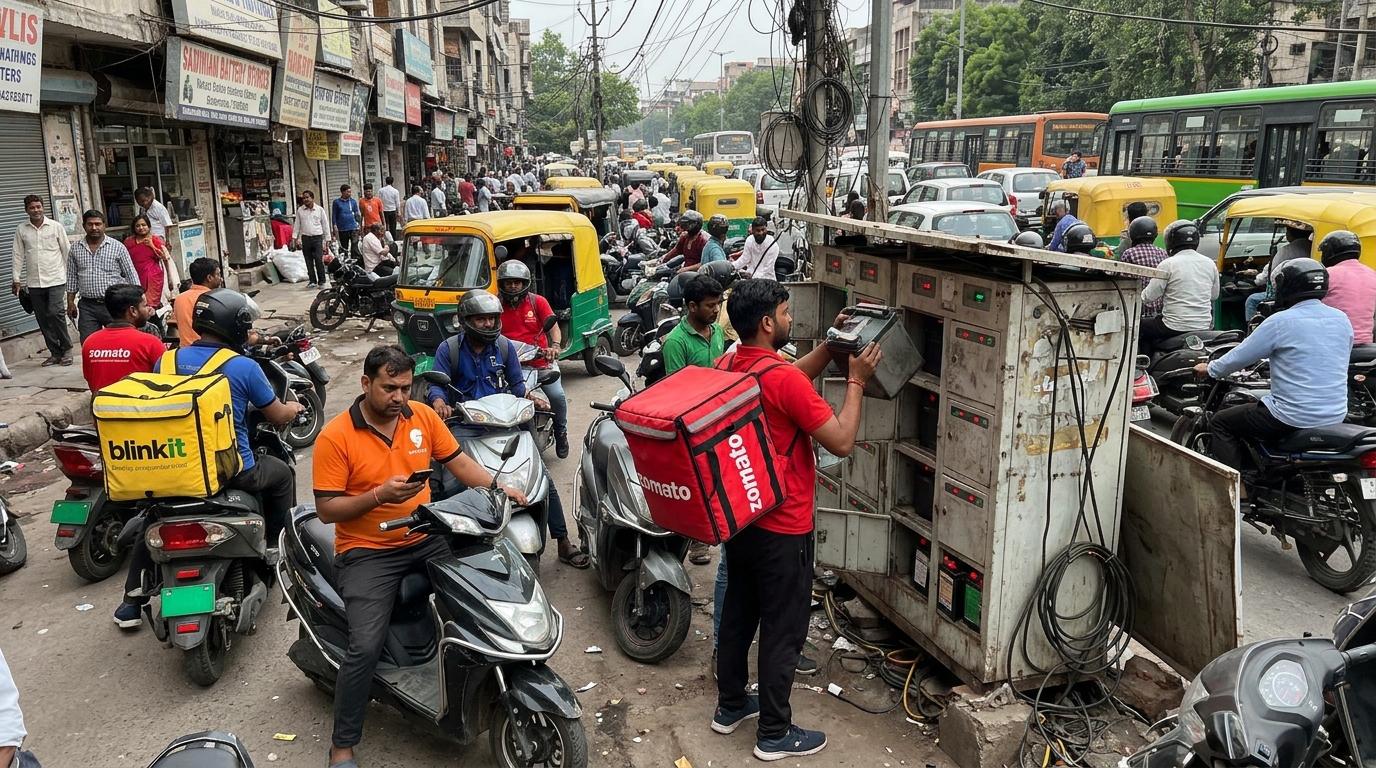
Eternal, the parent company of Zomato and Blinkit, is officially revising its 2030 goal for a fully electric delivery fleet. As the platform economy expands to over 1.2 million active riders across 900 cities, the company has encountered a major reality check regarding the feasibility of rapid electrification in fragmented markets.
The original target was set when the company was significantly smaller. In its early days, Zomato managed approximately 1.5 lakh monthly active riders. Today, that number has grown nearly tenfold. This massive scale creates a complex logistical puzzle. It is one thing to transition a small, concentrated fleet in a major metro area, but it is another challenge entirely to ensure vehicle availability and charging infrastructure across hundreds of smaller tier-2 and tier-3 cities.
The challenge is not just about the number of scooters. Eternal’s operations include food delivery via two-wheelers and bulk wholesale movements through its Hyperpure brand, which uses trucks and commercial vehicles. Each vehicle type faces different hurdles, including high purchase costs, limited charging networks, and varying government policy support across different states. For a delivery partner, the choice to go electric is not just an environmental decision. It is a business one. If a rider cannot find a reliable charging station or afford the upfront cost of a new battery, they cannot work.
From a data intelligence perspective, this shift highlights the danger of setting top-down targets without granular, city-level insights. Many companies rely on national averages for EV penetration, which Eternal notes is currently around 6 to 7 percent. While Eternal has managed to double that rate within its own fleet, reaching 100 percent requires a deep understanding of local market conditions. Manual tracking of these variables is impossible at a scale of 30 lakh annual onboardings. Leaders need real-time data to understand where infrastructure is lagging and where competitor fleets are successfully making the transition.
Navigating the Logistics Transition
For C-level executives in the food delivery and wholesale sectors, Eternal’s pivot serves as a lesson in strategic flexibility. Success in green mobility depends on more than just corporate will. It requires a deep dive into the local mechanics of fleet management, including rental options, maintenance support, and regional policy implementation. To stay ahead of these logistical shifts, forward-thinking directors should Benchmark Competitor Fleet performance to understand real-world EV adoption rates and operational uptime across their target regions.
Building a sustainable fleet requires moving beyond broad commitments and into data-backed execution. By monitoring how fleets are evolving in real-time, platforms can identify the exact cities where electrification is viable and where they need to advocate for better infrastructure or financial incentives for their partners.
Ready to optimize your fleet intelligence? Contact our team of experts today to see how granular data can drive your sustainability goals.
Source: https://urbanacres.in/eternals-ev-target-exposes-indias-delivery-mobility-challenge/
