- Data analytics
DoorDash’s $131.5 Million NYC Settlement: The High Cost of Labor Non-Compliance
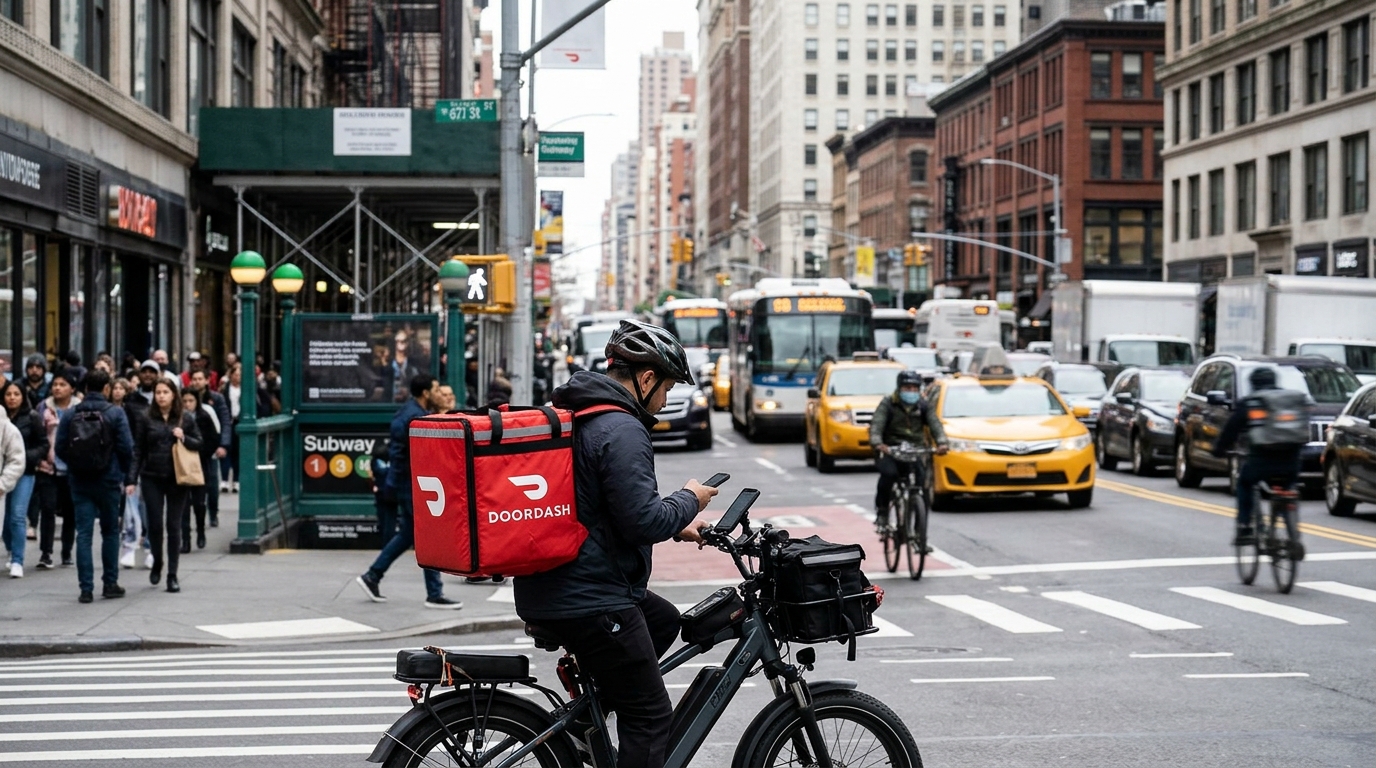
Analyze DoorDash's $131.5M NYC settlement and how food delivery platforms use data intelligence to navigate labor regulations and fleet costs.
DoorDash has agreed to pay over $131.5 million to settle allegations from the New York City Department of Consumer and Worker Protection regarding underpaid delivery workers. This settlement represents a massive shift in how gig economy giants must manage labor costs and regulatory compliance in major urban markets.
The settlement addresses claims that DoorDash failed to pay its delivery workers the required minimum rate, delayed payments, and did not compensate workers for all work performed between 2022 and 2026. With more than 260,000 workers eligible for payouts, the financial impact is significant. Beyond the immediate cash penalty, this event signals a new era of enforcement. Regulators are no longer looking the other way when it comes to the complex math behind delivery worker pay. For C-suite executives, this case is a clear warning that operational transparency is now a requirement for survival.
When labor costs spike due to regulatory changes or legal settlements, the entire business model feels the pressure. Platforms often have to choose between increasing customer fees or absorbing the costs, which hurts investor confidence. To navigate these waters, companies need to look beyond their own internal dashboards. They must understand the broader market context. Without granular data on how competitors are managing their networks, a company can easily find itself an outlier, attracting unwanted attention from government agencies. Data intelligence provides the clarity needed to see if your pay structures and delivery windows are in line with market standards or if they are creating a legal liability.
The complexity of managing thousands of couriers across a city like New York requires more than just good intentions. It requires a deep understanding of fleet efficiency and competitor behavior. By monitoring how other players adjust to these new laws, platforms can better predict their own cost structures and avoid the trap of underpayment allegations. Manual tracking is simply too slow and error prone to keep up with the fast pace of local labor laws.
Protecting Margins Through Fleet Intelligence
The strategic takeaway for food delivery leaders is that compliance and profitability are now permanently linked. As more cities look to New York as a model for labor regulation, the risk of similar settlements elsewhere grows. To stay ahead of these trends and ensure your delivery operations remain both legal and profitable, it is essential to look at the external market. Smart leaders are already using data to Benchmark Competitor Fleet performance and pay structures. This approach allows you to identify risks early and adjust your strategy before a regulator knocks on your door.
To learn more about how data intelligence can protect your delivery business, get in touch with our team today: Contact Doubledata
Source: https://www.claimdepot.com/settlements/nyc-door-dash-settlement
