- Data analytics
DoorDash acquires Deliveroo as it pushes beyond North America
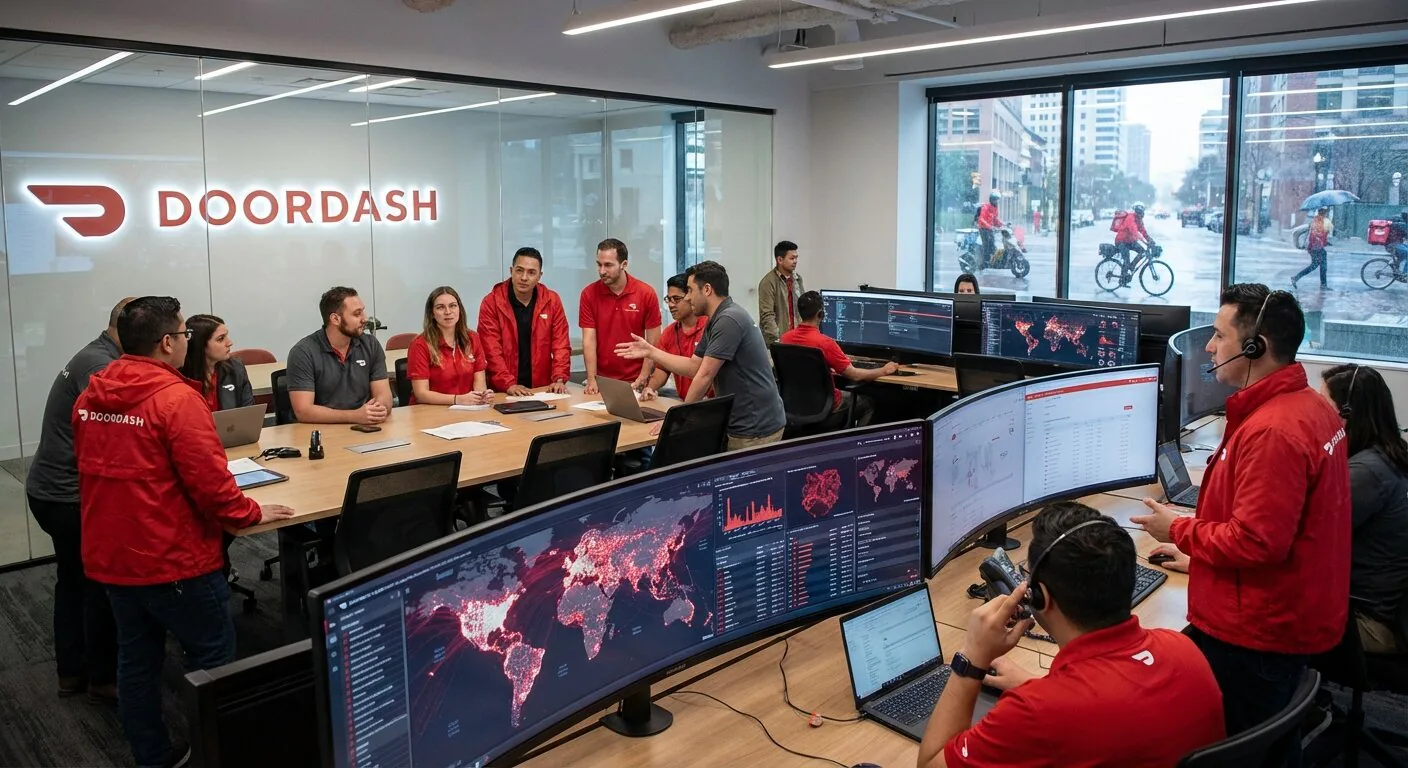
DoorDash's Deliveroo deal takes it into the UK and UAE, backed by a 67 percent US market share and an ad business at a 1 billion dollar run-rate.
DoorDash is acquiring Deliveroo as it grows from a food delivery app into a global logistics and advertising powerhouse. With a 67 percent market share in the United States, the company is now focusing on high-margin retail and international growth to sustain its momentum.
By entering the UK and UAE markets through Deliveroo, DoorDash is directly challenging established players like Uber Eats on a global stage after years of dominating North America. A 45 percent stock rally over the past year supports the expansion, fueled by strong consumer spending and a successful pivot into non-restaurant categories like grocery and home improvement. Partnerships with retailers like The Home Depot and Lowe's show the company building an infrastructure for everything delivery.
Advertising is one of the biggest drivers of this growth. The DoorDash advertising platform has reached a 1 billion dollar annual run-rate, and its high margins help offset rising labor costs and regulatory pressures. As the industry moves toward a duopoly between DoorDash and Uber, managing these platforms gets more complex, and order volume alone says little about how competitors move in specific regions. AI-native stacks and autonomous delivery add another layer, since technical efficiency now matters as much as logistics reach.
Traditional reporting often misses the subtle shifts in merchant density or how local fee changes affect customer loyalty. Without high-frequency data, it is hard to see how DoorDash is squeezing smaller players out of suburban markets or which retail categories are gaining the most traction. Quarterly reports describe the past, while high-frequency data lets teams react to market shifts before they hit the bottom line.
DoorDash and Uber Eats now control most orders
In a market where DoorDash and Uber Eats control the vast majority of orders, losing even a small percentage of visibility can be costly. The hard numbers to watch are where each competitor gains ground by region and category, because they guide resource allocation and defensive moves. Teams get that view with market share benchmarking, so strategy rests on current market realities instead of historical trends.
If you want to see where DoorDash and Uber Eats gain ground in your regions and categories, reach out to our team at DoubleData.
