- Data analytics
Shoppers cut beef first as affordability rivals taste in 2026
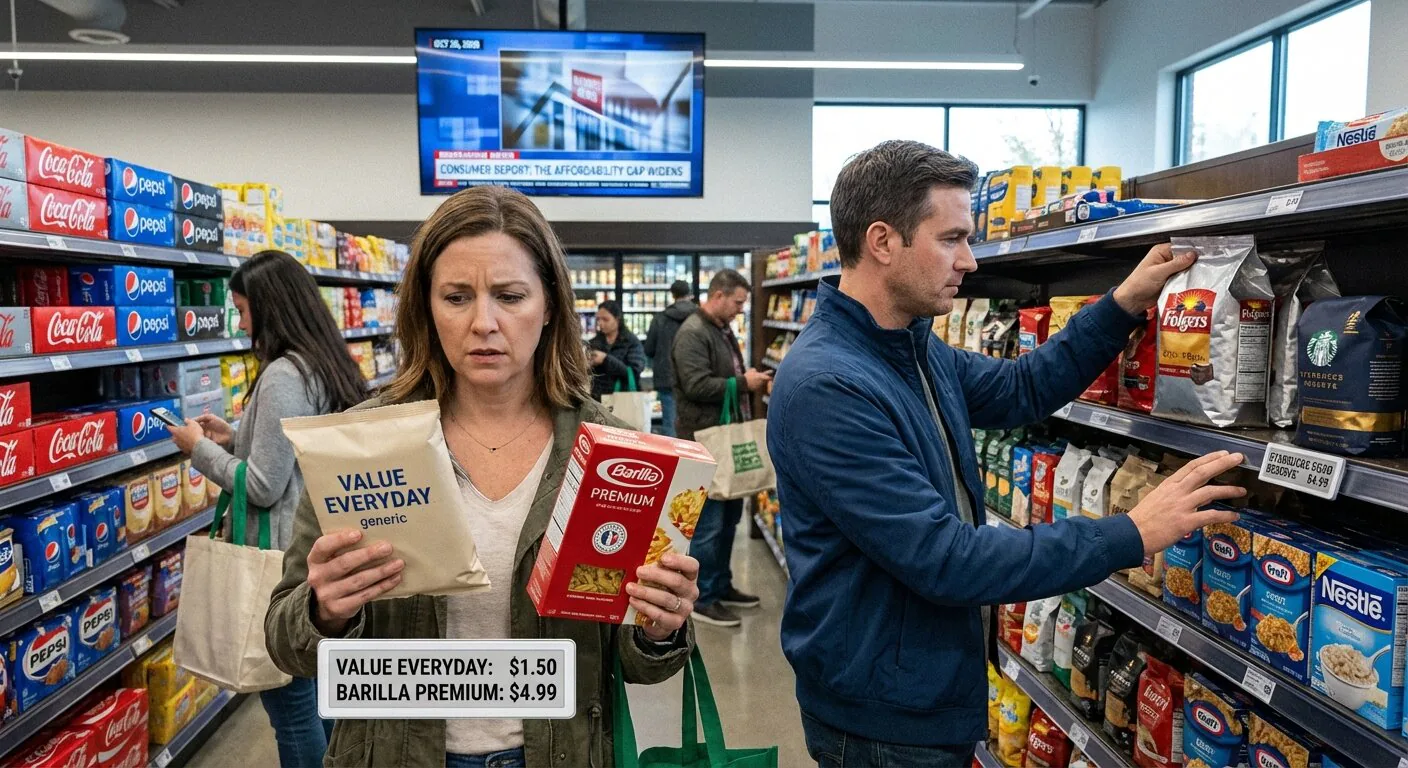
Consumers are trading beef for store brands and bulk items. Learn how data intelligence and menu optimization help food brands adapt to rising costs.
Affordability now rivals taste as the top factor in consumer food decisions as prices keep rising. New research shows a shift toward at-home dining, bulk purchasing, and dropping expensive proteins from grocery lists as consumers manage a volatile economy.
Over half of consumers have fundamentally changed how they shop and dine, according to the latest data from Stratovation Group and Inspire. Their tradeoffs are calculated and go beyond a temporary reaction to inflation. People dine out less often, yet delivery keeps its place: 80% still order restaurant delivery at least once a month, and major platforms like DoorDash and Uber Eats maintain a firm grip on the market.
Nearly 40 percent of consumers are now eating more meals at home, according to the Stratovation Group and Inspire research, and many are willing to sacrifice nutrition and variety for financial stability.
Beef has become the primary target for budget-conscious households, followed by pork and poultry. Even fresh produce and dairy are seeing declines as shoppers stretch meals to last longer. Those specific cuts are the real challenge for food delivery platforms and restaurant chains, and brands that rely on premium positioning face a dangerous gap. Without high-frequency data, it is impossible to see which menu items are losing traction in specific regions before the quarterly revenue drop hits.
Data intelligence reveals that the move toward store brands and bulk items is uneven. In urban and suburban areas, the demand for convenience still drives delivery volume while the basket mix changes. Consumers are looking for value-driven bundles and lower-cost alternatives that mimic healthy trends without the premium price tag. Awareness of movements like "MAHA" (Make America Healthy Again) is also high, a sign that consumers increasingly want health-conscious options that fit within a tighter budget.
Value engineering sets the new menu price points
Top-line pricing will not hold market share on its own. Brands that keep their share will restructure their offerings for affordability-first customers while keeping the convenience those customers still want. That takes a clear view of how competitors are adjusting their digital storefronts and which categories are seeing the most churn.
Value engineering means aligning your menu with the specific price points consumers are willing to pay today. Your team can use menu optimization to track shifting item popularity and price thresholds, the two numbers that show where to protect your margins.
If you want to see which menu items lose traction as diners trade down in your regions, contact the DoubleData team.
Source: American Ag Network, americanagnetwork.com
