- Data analytics
Why vertical integration is reshaping Columbus food delivery
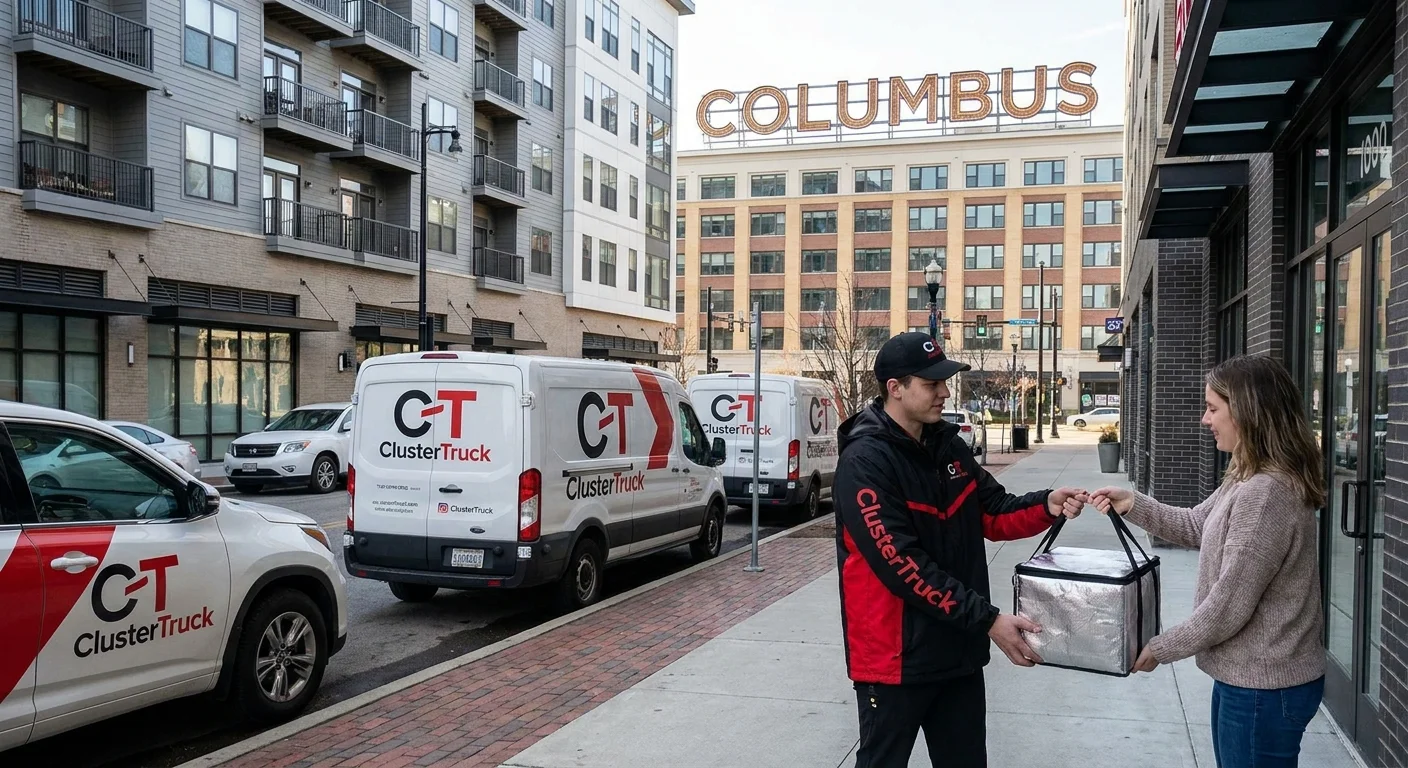
ClusterTruck is changing food delivery in Columbus through vertical integration. Learn how data intelligence tracks these high-efficiency ghost kitchen models.
ClusterTruck is proving that controlling the entire supply chain, from the kitchen to the customer’s door, is the key to solving delivery’s biggest pain points. Their unique model in Columbus highlights a growing trend where tech-driven coordination replaces the fragmented nature of traditional third-party apps.
The core of ClusterTruck’s success is its just-in-time delivery system. Unlike traditional restaurants that prepare food and then wait for a third-party driver to arrive, this model coordinates cooking with the driver's GPS location. If a burger takes seven minutes to grill, the kitchen only starts when the driver is seven minutes away. This level of precision significantly reduces the time food sits under a heat lamp, which ensures a much better experience for the end consumer.
For competitors and wholesalers, this represents a sophisticated type of rival. ClusterTruck is not just a restaurant, it is a logistics company. They operate a single kitchen with a menu of over 100 items, ranging from pizza to pad Thai. This variety allows them to capture group orders that would otherwise be split across multiple apps or different restaurant partners. By using their own software to manage independent contractors and one-stop delivery routes, they also eliminate the delivery fees that often deter customers.
From a data intelligence perspective, tracking these vertically integrated players is essential. These kitchens do not always appear on high streets or in traditional retail real estate data. They often operate from industrial areas that maximize delivery radius rather than foot traffic. Without specialized intelligence, a delivery platform or restaurant chain might miss the fact that a single hub is capturing a significant share of a specific neighborhood's dinner traffic.
Mapping the new competitive landscape
To stay ahead in a tightening market, leaders must look beyond traditional storefronts and identify exactly where these high-efficiency hubs are operating. This shift toward kitchen-first logistics means that market share is no longer just about who has the most physical locations, but who has the most efficient delivery zone coverage. Companies can gain a massive advantage by identifying these hidden players early.
Understanding the growth and impact of these models is possible by leveraging a comprehensive Ghost Kitchen Database to map and analyze these competitors. By seeing where these kitchens are located and which areas they serve, directors can make better decisions about where to expand their own brands or adjust their pricing strategies.
For more insights on how to track the changing food delivery landscape, contact our team of experts today.
Source: https://www.columbusnavigator.com/clustertruck-delivery-columbus/
