- Data analytics
ClusterTruck’s vertical integration: a data-driven threat to third-party delivery
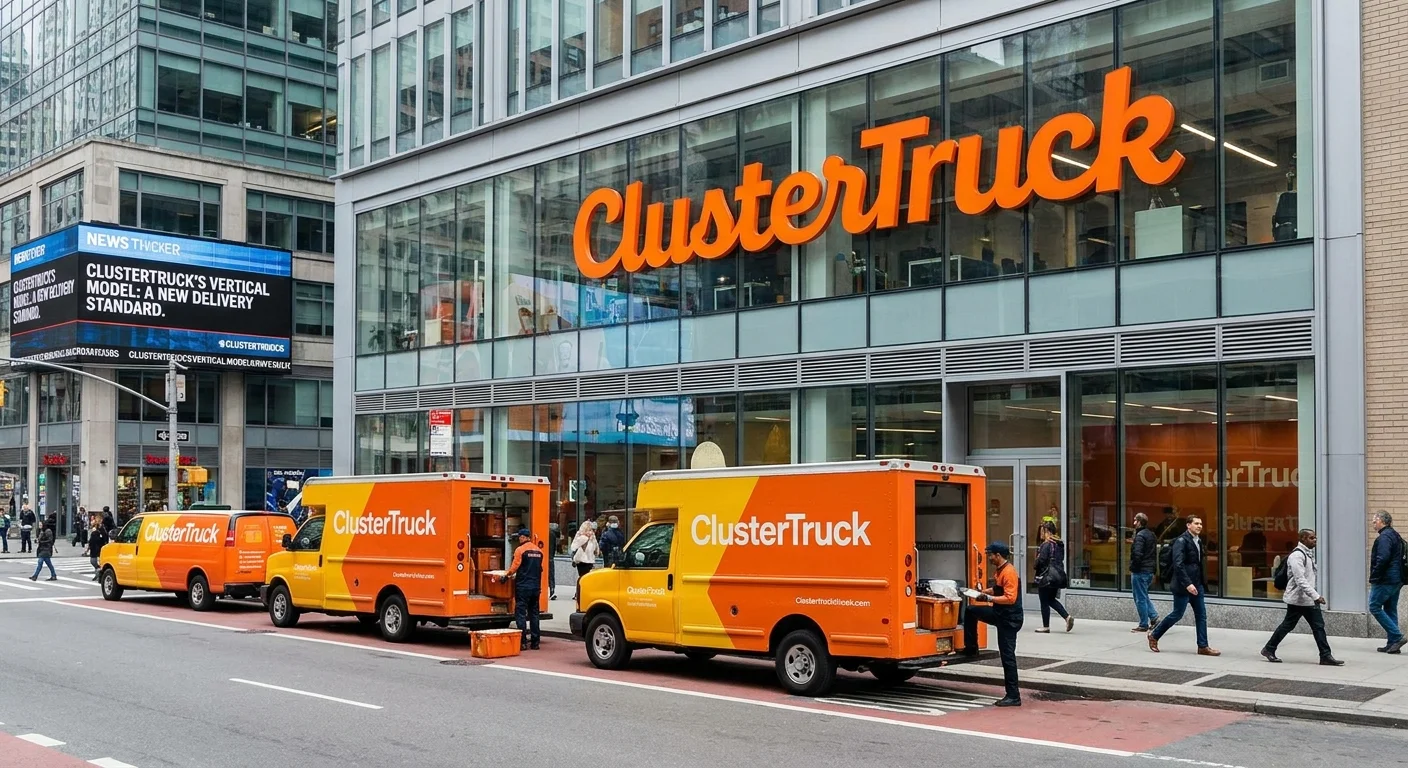
How ClusterTruck’s integrated kitchen and delivery system in Columbus is changing the QSR landscape through data-driven efficiency.
ClusterTruck is redefining the food delivery landscape in Columbus by combining kitchen operations and logistics into a single, synchronized system. By timing food preparation to match driver arrival, the company is tackling the industry’s biggest pain points, which are cold food and high delivery fees.
Traditional food delivery relies on a fragmented system. A restaurant prepares the food, a third-party app manages the order, and an independent driver arrives whenever the algorithm allows. This often leads to food sitting under heat lamps, losing quality every minute. ClusterTruck removes this friction by owning the entire process. They operate a delivery-focused kitchen where the cooking only begins when a driver is a specific number of minutes away. For example, if a burger takes seven minutes to grill, the kitchen starts it when the driver is exactly seven minutes from the hub.
This "just-in-time" manufacturing approach is more than just a culinary trick. It is a sophisticated logistical model that requires precise data coordination. While most platforms struggle with the "last mile," ClusterTruck focuses on the "first yard," ensuring the handoff from kitchen to car is instantaneous. This efficiency allows them to offer free delivery and maintain a massive menu of over 100 items, ranging from Pad Thai to breakfast burritos, all coming from one central point of truth.
From a data intelligence perspective, this model represents a shift in how we define market competition. Traditional QSRs and delivery platforms often track their success based on app downloads or restaurant partnerships. However, the real advantage lies in operational uptime and geographic coverage. When a single kitchen can serve multiple neighborhoods like Grandview, Bexley, and German Village with high efficiency, it creates a high barrier to entry for competitors who still rely on the inefficient third-party marketplace model.
The complexity of tracking such competitors is often hidden. Without granular data, it is difficult to see how these localized hubs impact the market share of traditional restaurants. Executives must look beyond simple sales figures to understand the density and reach of these integrated players. Monitoring the growth of these specialized hubs is essential for any brand trying to protect its territory in major metro areas.
The strategic path forward
To stay competitive, food delivery leaders and restaurant chains must move beyond manual tracking. Understanding where these delivery-only models are appearing and how they overlap with your existing locations is the first step toward defending your market share. Using a comprehensive Ghost Kitchen Database allows directors to visualize the competitive landscape and identify where these high-efficiency hubs are gaining a foothold.
As the market shifts toward vertical integration, data-driven insights will be the only way to maintain a competitive edge in urban delivery zones. If you want to see how these localized trends affect your specific footprint, we invite you to connect with our team.
Contact our experts today to enhance your market intelligence: https://doubledata.com/about-us/contact
Source: https://www.columbusnavigator.com/clustertruck-delivery-columbus/
