- Data analytics
Chicago residents push back against Coco and Serve delivery robots
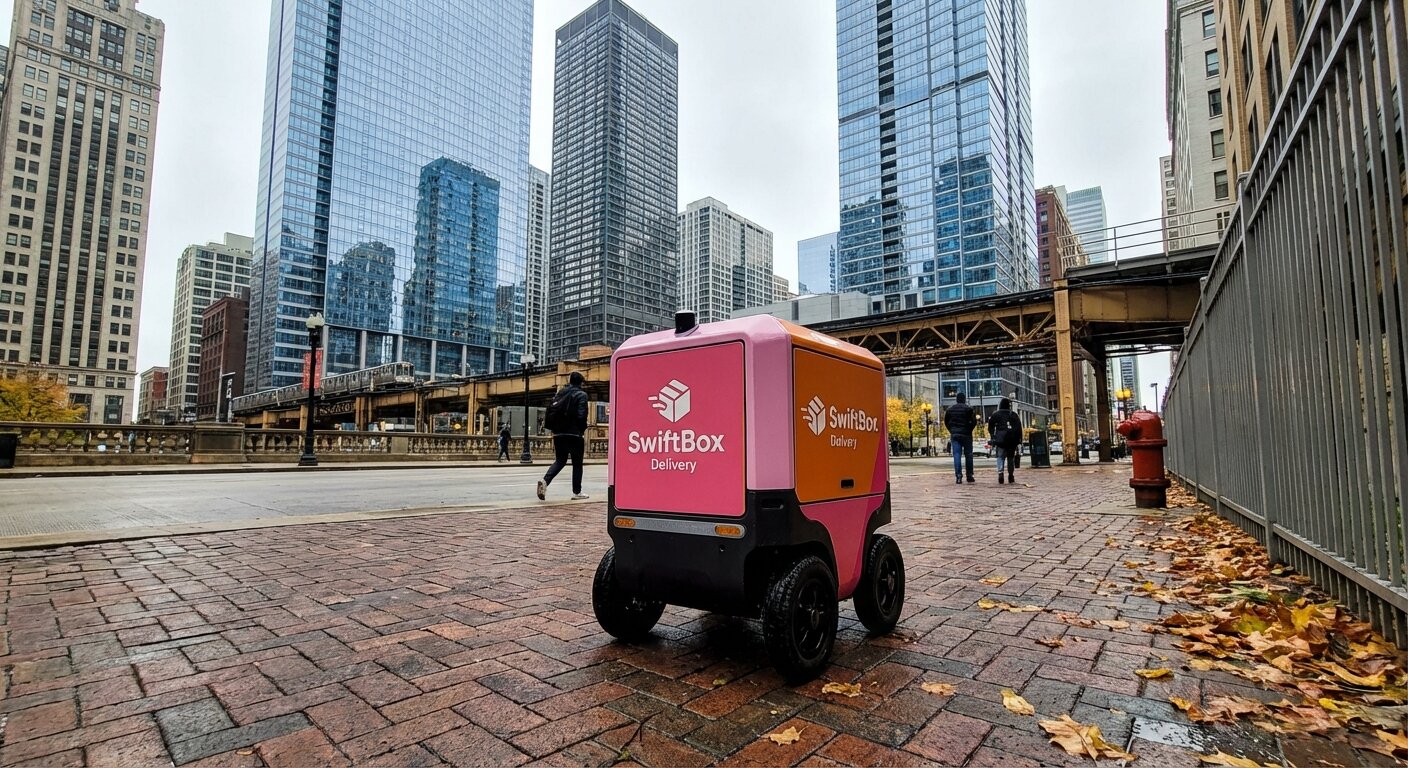
Chicago's robot delivery expansion faces local resistance. Learn how platforms must use data to navigate the changing map of urban delivery zones.
Delivery robots from Coco and Serve are facing a roadblock in Chicago as residents and local officials push back against sidewalk clutter. In the 1st Ward, over 83 percent of residents recently voted against expanding robot services, and platforms now face a patchwork of restricted zones.
Chicago was once considered a prime testing ground for sidewalk automation, which promises lower costs and higher efficiency. A recent petition in Lincoln Park has gathered thousands of signatures, and local leaders are listening. For major delivery platforms like Uber Eats and DoorDash, the plan of city-wide autonomous delivery is giving way to ward-by-ward restrictions.
Large restaurant chains and delivery platforms now have to track accessibility neighborhood by neighborhood instead of treating a city as a single, uniform market. If one neighborhood allows robots but the neighboring one bans them, the efficiency of a robotic fleet drops instantly. Without granular data, companies risk investing in hardware that they cannot legally deploy in the areas with the highest demand.
Monitoring where these robots are actually operating, and where they are being blocked, shows the real footprint of the services and which neighborhoods are ready for automation. Manual tracking is impossible when rules change at the neighborhood level, so automated data is what keeps a competitive edge in urban logistics.
Ward-level rules decide where robot fleets can run
Cities like Chicago are tightening their rules, and fleet rollout plans now depend on seeing exactly where service is viable and where it is restricted. Teams that analyze delivery zones see exactly where technology meets the reality of the street before they commit hardware.
Other cities are considering similar pauses, which makes the Chicago debate a signal for the rest of the country. A logistics strategy that can pivot on data is the difference between a successful rollout and a costly retreat.
If you plan a robot rollout and need to know which neighborhoods still allow it, reach out to our team at DoubleData.
