- Data analytics
- Proxy infrastructure
Cheap residential proxies: the reality of $2/GB pricing
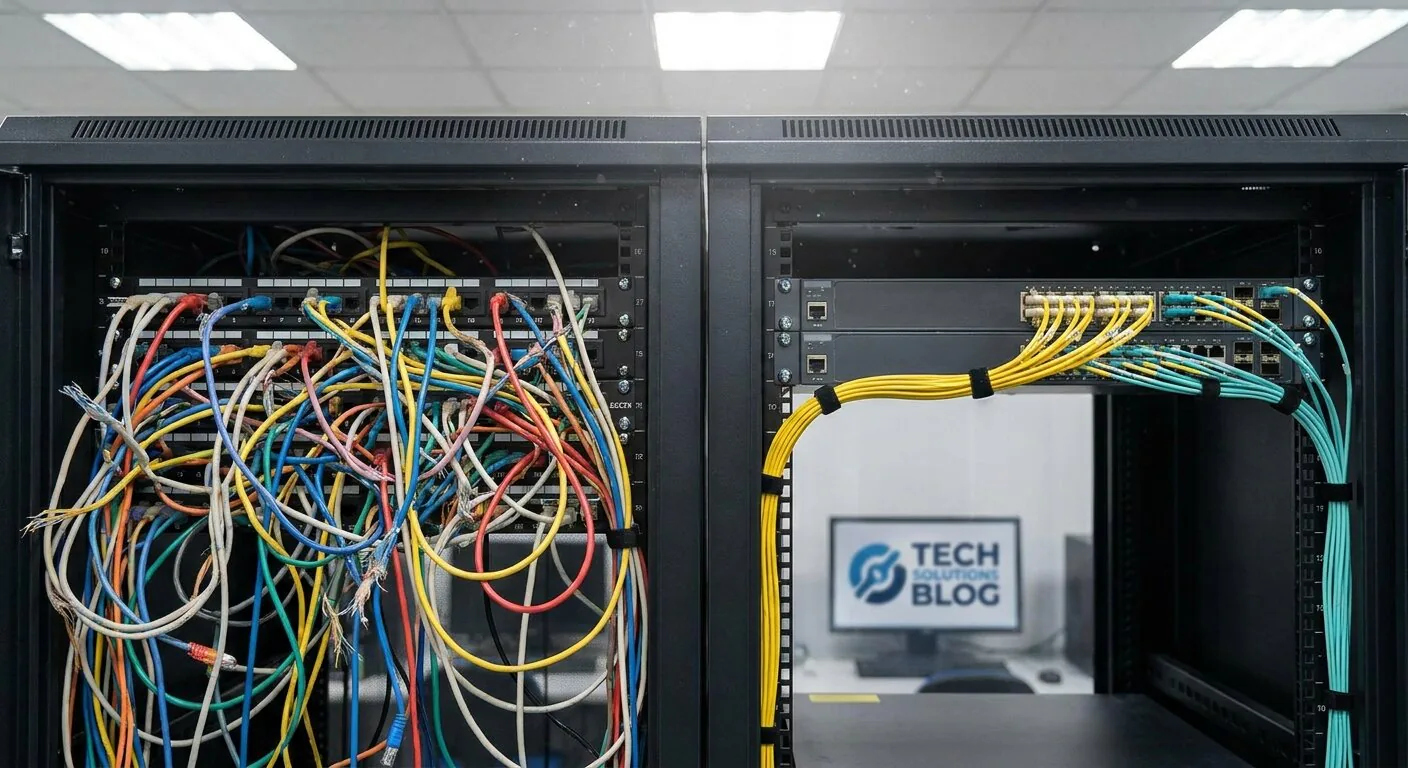
Cheap residential proxies look great at $2/GB. In reality, high failure rates, blacklisted IPs, and bandwidth fees on blocked requests destroy your margins.
Table of contents
You can buy residential bandwidth for $2 per GB. On paper, it looks like a massive cost reduction for your web scraping infrastructure. In reality, a low cost residential proxy often destroys your margins through high failure rates, botnet contamination, and bandwidth charges on blocked requests.
The anatomy of a budget proxy provider
The economics of proxy networks are straightforward. Acquiring legitimate residential IPs requires infrastructure. Providers must distribute SDKs, build bandwidth-sharing applications, and financially compensate the device owners for their traffic. This ethical sourcing creates a hard floor for the cost per gigabyte.
When a vendor prices their network at $2 per GB, the math does not support ethical acquisition. To maintain margins at that price point, providers have to cut corners in their network architecture. The most common tactic is diluting the IP pool.
Instead of routing your requests through real household devices, providers will pad their pools with cheap datacenter proxies. They take servers in secondary data centers, assign them IP addresses, and mix them into the residential rotation. If your target website has basic bot protection, it will immediately flag the Autonomous System Number (ASN) as a hosting provider and drop your connection.
The bandwidth tax on failed requests
Pricing models based strictly on bandwidth hide the true cost of failure. When you buy affordable proxies, you pay for the data routed through the network regardless of the HTTP response code. Target servers answer bad connections with block pages, CAPTCHAs, and Cloudflare challenges.
Consider a scraping job targeting an e-commerce platform. Your scraper requests a product page. The target's Web Application Firewall (WAF) flags your cheap IP and serves a HTTP 403 Forbidden block page with a heavy JavaScript payload. You just downloaded 500KB of useless data. Your scraper attempts three retries on the same bad IP pool, consuming another 1.5MB.
With a success rate of 40%, you are paying for 60% junk bandwidth. That $2 per GB effectively becomes $5 per GB of usable data. Add the compute costs of running your scrapers longer to account for timeouts, and the perceived savings disappear completely.
IP pool contamination and trust scores
Anti-bot systems like Akamai, Datadome, and PerimeterX look beyond headers and assign trust scores to individual IPs based on historical behavior. Clean IPs with normal browsing histories pass without triggering challenges.
Budget proxy networks suffer from extreme pool contamination. Because the barrier to entry is low, these networks attract bad actors executing credential stuffing, carding, and spam campaigns. When you share a network with these users, your scrapers inherit their negative IP reputation.
By the time your scraper attempts a connection, the IP is already sitting on multiple threat intelligence blacklists. You will see an immediate spike in HTTP 429 Too Many Requests errors, even if your specific User-Agent and request headers are perfectly configured.
Spoofed ASNs and TCP/IP fingerprinting
Some providers attempt to mask their cost-cutting by spoofing IP metadata. They register datacenter IPs under shell Internet Service Providers to make the ASN look residential. A WHOIS lookup might show Comcast or AT&T, but the underlying infrastructure is entirely synthetic.
Modern anti-bot systems defeat this easily through TCP/IP fingerprinting. They analyze the OS-level networking parameters of the incoming connection. A Windows 10 desktop on a home Wi-Fi network has a very specific Maximum Transmission Unit (MTU), TCP window size, and latency profile. A Linux server in a Frankfurt datacenter looks entirely different.
Furthermore, simple latency checks expose spoofed IPs. If an IP claims to be a home connection in rural Texas but responds to a ping from AWS us-east-1 in 2 milliseconds, the target server knows it is dealing with a datacenter proxy. The request is blocked instantly.
Calculating your true cost per successful request
To evaluate proxy vendors objectively, data teams must move away from the advertised price per gigabyte and calculate the effective cost per successful request. You need a formula that accounts for your total infrastructure overhead.
- Bandwidth cost: The raw price you pay the vendor.
- Compute cost: The AWS or GCP bill for running scraper instances, which increases directly alongside proxy timeout rates.
- Engineering time: The salary cost of developers writing retry logic, building custom rotation rules, and debugging blocked runs.
A premium proxy costing $10 per GB with a 99% success rate and sub-second latency is mathematically cheaper for your business than a $2 per GB proxy that requires constant babysitting and double the compute time to extract the same number of records.
How to audit your current proxy infrastructure
Running a diagnostic audit shows what you are actually paying for if you currently use a budget proxy provider. Start by logging the full response payloads for a sample of 10,000 requests. Parse out the status codes and categorize them.
Next, route a sample of your traffic to an IP detection API like MaxMind or IPinfo. Log the connection types. If you paid for residential bandwidth but the API classifies 30% of your connections as hosting or corporate, your provider is diluting the pool.
Finally, measure your latency. Set up logging for the time-to-first-byte (TTFB). True residential connections route through home modems and consumer ISPs. They inherently have higher latency, typically ranging from 100ms to 400ms. If you are seeing consistent 20ms response times on residential requests, you are being routed through datacenter servers.
Scaling beyond budget constraints
Scraping a few thousand pages a month allows room for error. When you scale to millions of requests daily for production use cases like price intelligence or inventory tracking, infrastructure stability becomes your primary bottleneck. At that scale, you need predictable performance.
Upgrading your infrastructure means utilizing a clean, ethically sourced residential proxy network. This ensures your scrapers route through actual home devices with high trust scores, bypassing aggressive WAFs without triggering CAPTCHAs. For enterprise teams with unique architecture requirements, off-the-shelf plans will eventually hit hard limits. These scenarios require custom proxy solutions tailored to your specific traffic patterns, complete with dedicated account management and service level agreements.
Run a pilot before you sign on price
Proxy vendors crowd the market, competing aggressively on price. Before signing a contract based on the lowest cost per gigabyte, run a small pilot. Measure the success rate, calculate the hidden bandwidth costs of blocked requests, and assess the impact on your engineering resources. You will quickly find that paying a premium for clean IPs is what makes data collection sustainable at scale.
If you need help sizing the right proxy stack for your use case, talk to our team.
