- Data analytics
California’s $134 Million Health Meal Initiative: A New Frontier for Delivery Platforms
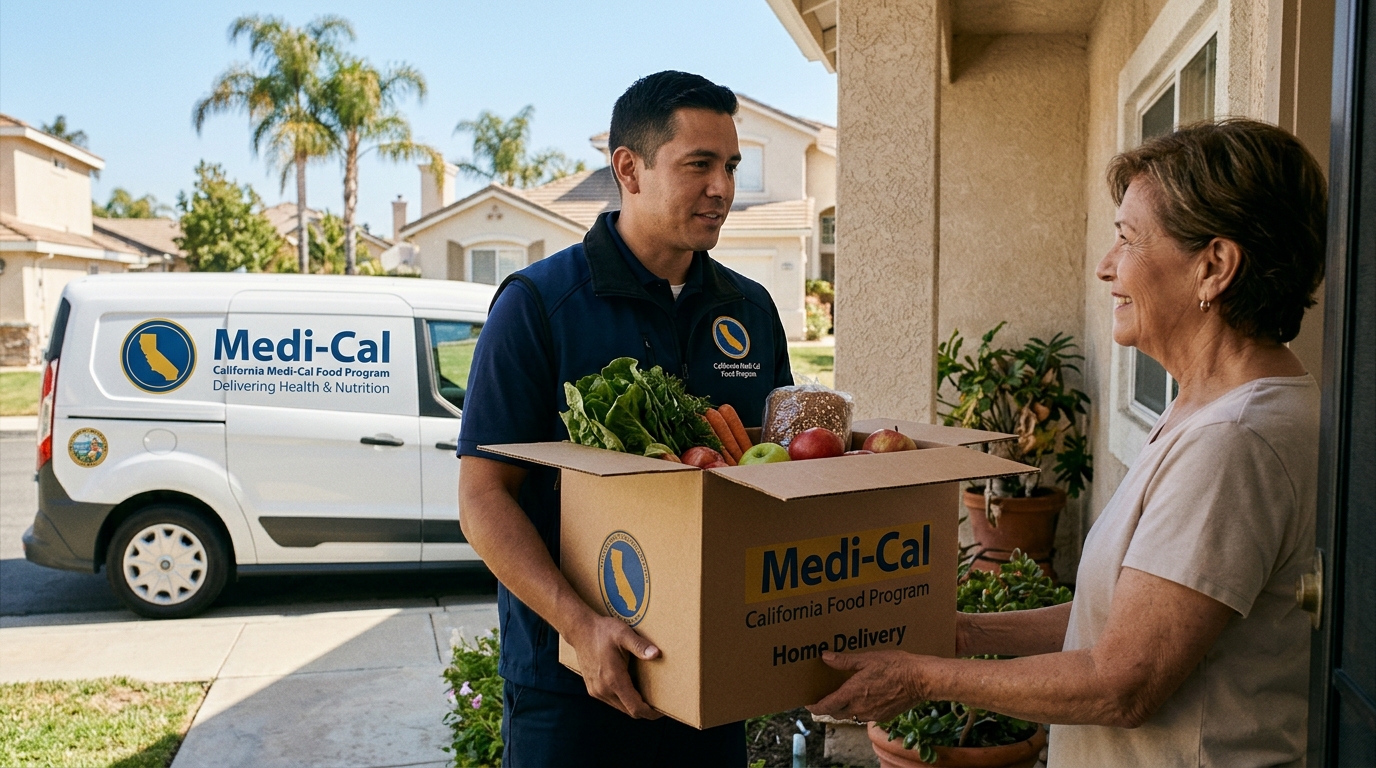
California spends millions on medically-tailored meals for Medi-Cal. Discover how this shift impacts the food delivery market and total addressable market.
California is shifting its healthcare strategy by funding millions of medically-tailored meals for Medi-Cal recipients. This massive state-run program, known as CalAIM, aims to improve health outcomes through nutrition and is creating a significant new revenue stream for the food delivery sector.
The California Department of Health Care Services is expanding a program that delivers highly customized food to people with chronic conditions. Since its launch, more than 500,000 people have received deliveries ranging from fresh produce to vegetarian frozen meals. While the state has been quiet about the total price tag, early estimates suggest the cost could exceed $134 million annually. This represents a structural change in the food landscape, where "food as medicine" is no longer just a concept but a government-backed market reality.
The logic behind this investment is simple. By providing healthy, medically-appropriate meals, the state hopes to reduce expensive hospital visits and emergency room trips. Data shows that recipients of these meals require inpatient care 30% less often. For food delivery platforms and restaurant groups, this signifies a massive expansion of their potential customer base. These are not traditional retail customers, but rather a large demographic of subsidized recipients whose meals are paid for by managed care plans.
Understanding this market shift requires deep data intelligence. Unlike standard consumer trends, these government-funded programs operate through complex contracts between health plans and providers. For example, some providers like HealthNet already manage millions of dollars in paid claims for these services. To compete in this space, businesses must understand where the demand is growing and which regions are seeing the highest utilization of these specialized services. Without granular data, it is difficult to see where the traditional market ends and the government-subsidized market begins.
Capitalizing on Total Addressable Market Expansion
As California continues to overhaul its healthcare system, the overlap between social services and food logistics will only grow. This provides a unique opportunity for delivery giants and wholesale suppliers to diversify their portfolios. The program is currently the most utilized service in the Medi-Cal overhaul, signaling that the appetite for managed food delivery is high.
To stay ahead of these regulatory and demographic shifts, delivery executives should monitor TAM growth to identify high-value regions where government funding is driving demand. Companies that can track these shifts in real-time will be better positioned to secure partnerships with healthcare providers and logistical contractors.
Ready to leverage market intelligence for your next strategic move? Contact our analysts today to see how data can power your growth.
Source: SJV Sun
