- Data analytics
California’s $134 Million Medically-Tailored Meal Program: A New Frontier for Delivery TAM
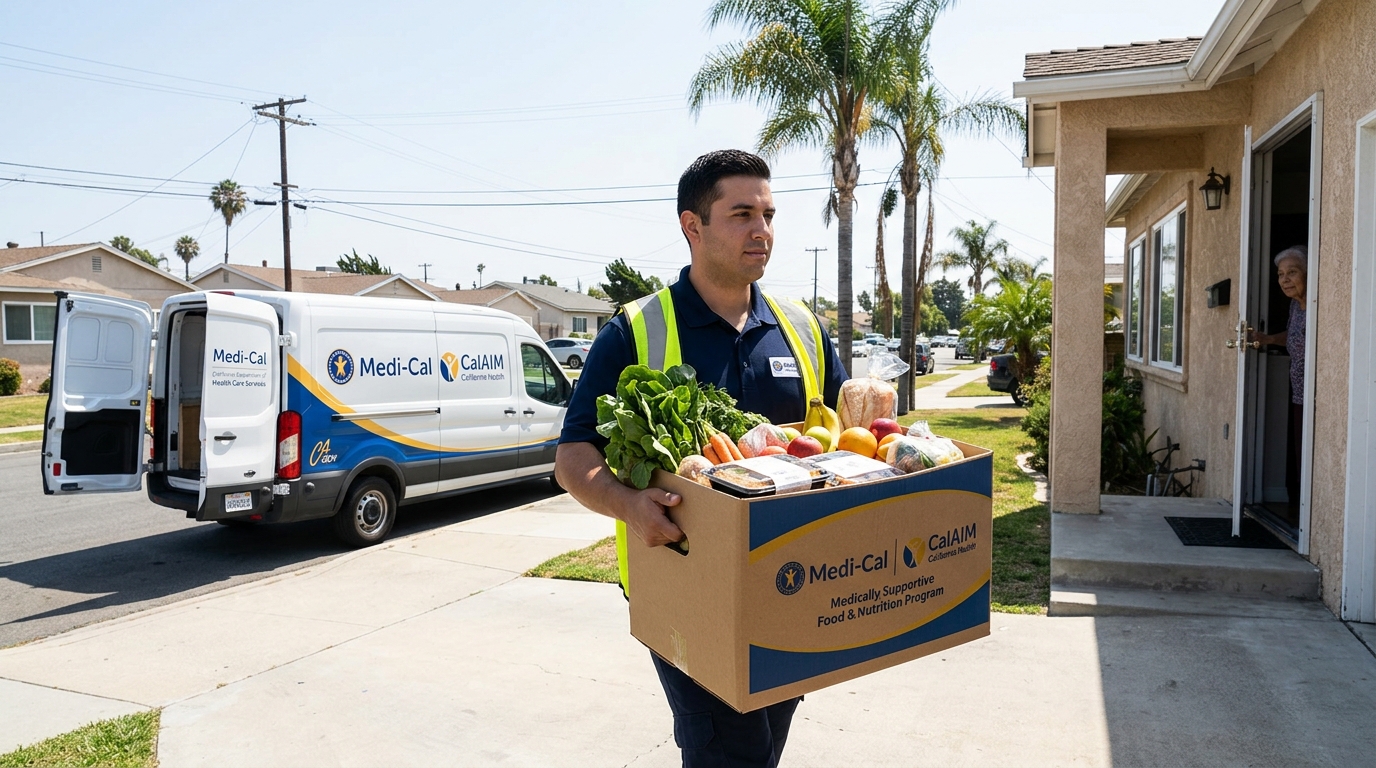
California's million-dollar investment in medically-tailored meals creates a massive new market for food delivery and wholesale providers.
The California state government is scaling a massive program to deliver medically-tailored meals to hundreds of thousands of Medi-Cal recipients. This initiative represents a significant shift as healthcare funding directly fuels the growth of the specialized food delivery and wholesale sectors.
California is currently investing millions of dollars into the California Advancing and Innovating Medi-Cal (CalAIM) program. This state-run effort provides highly customized, medically-supportive food to residents with chronic health conditions or those recovering from hospital stays. According to recent reports, over 500,000 people have already received these food deliveries. This is not traditional food assistance, it is a targeted health intervention that relies on a complex supply chain of meal preparation and last-mile delivery.
For executives in the food delivery and wholesale space, this news signals a massive expansion of the Total Addressable Market (TAM). By integrating food delivery into the healthcare system, California has effectively turned a social service into a high-volume, state-funded commercial vertical. The numbers are substantial. One provider alone, HealthNet, reported $36 million in paid claims for just 25,000 patients. If the program continues to scale, the annual cost to the state could exceed $134 million, creating a massive pool of recurring revenue for providers who can meet the strict nutritional and logistical requirements.
This market shift introduces a level of complexity that traditional consumer delivery models do not usually face. Providers like Mom’s Meals are already winning contracts by offering specialized menus such as heart-healthy or diabetes-friendly options. To compete or partner in this space, businesses need to understand the density of eligible recipients and the existing contract landscape. Data intelligence is the only way to track these shifts accurately. Relying on manual research is impossible when dealing with over 1,000 separate contracts executed between state agencies and private providers.
Capitalizing on Government-Funded Growth
The financial incentive for the state is clear. Medically-tailored meals help recipients stay out of the hospital, saving taxpayers roughly $60 per member. Because the program saves money in the long run, it is likely to expand rather than shrink. This creates a stable, long-term opportunity for platforms and wholesalers to diversify their revenue away from purely discretionary consumer spending.
Strategic leaders must now look beyond the standard consumer demographic to identify these new growth pockets. To stay ahead of these structural market changes, directors should actively Monitor TAM Growth using granular data to identify where the state is concentrating its delivery efforts and which providers are gaining the most ground.
To learn more about how data can help your business capture new market share, please reach out to our team at DoubleData Contact.
Source: https://sjvsun.com/california/state-could-spend-millions-on-food-for-medi-cal-recipients/
