- Data analytics
Breckenridge makes downtown e-delivery permanent with permit fees
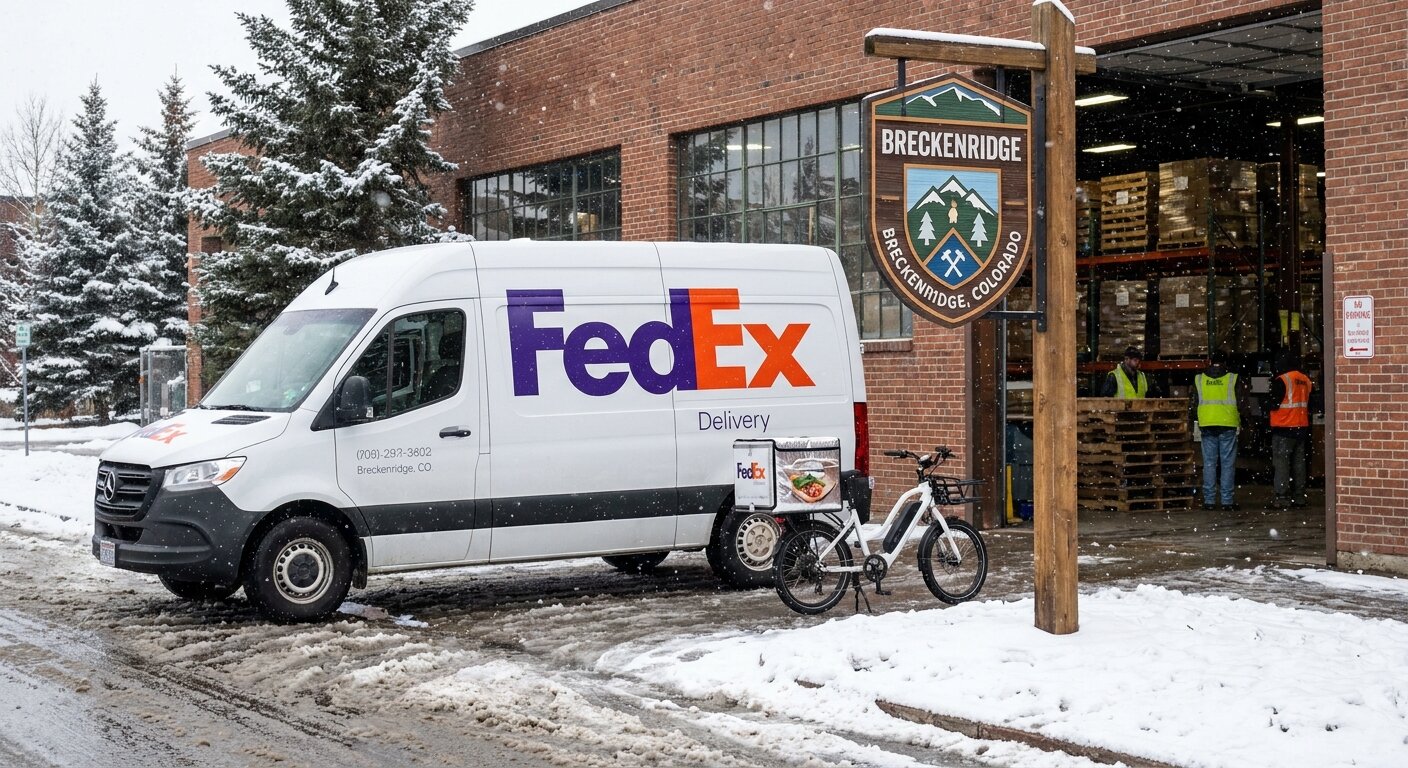
Breckenridge is making its e-delivery program permanent with tiered fees. Learn how wholesalers can use data to navigate these new delivery regulations.
Breckenridge, Colorado, is turning its pilot program into a permanent, fee-based e-delivery system for all downtown restaurant distributors. The tiered permit structure could cost high-volume suppliers over $45,000 annually per permit and changes how last-mile logistics are managed in a historic town center.
The town council recently approved a plan to centralize freight deliveries at a single dock facility, where electric carts handle the final stretch of the journey to bars and restaurants. The system reduces congestion and emissions, and it changes the cost of doing business for wholesale giants. On top of route planning, distributors must now account for permit tiers based on delivery frequency, truck size, and the number of locations served.
The dock facility sits on North French Street, and the program has already removed nearly 2,500 large trucks from the downtown core, according to the Summit Daily.
For major food service distributors, the ordinance is a sign of things to come in high-traffic or historic urban centers across the country. The tiers are the hard part. A distributor might serve ten locations in Breckenridge, but if it crosses a certain threshold of points based on unloading time or vehicle size, its overhead jumps significantly. The difference between Tier 1 ($3,900) and Tier 5 ($45,500) is massive for thin-margin wholesale operations.
Breckenridge's model mirrors a system already running in Vail. The town expects the fees to generate nearly $300,000 annually, only a fraction of the $1.5 million operating budget, according to the Summit Daily.
Manual tracking cannot keep up with these regulatory shifts. Without granular data on how many of your active accounts fall into restricted zones, you cannot accurately price your services or adjust your contracts. Data intelligence shows how many competitors are opting into the system and how the total available market is reacting to the new costs, so your pricing reflects the actual cost of delivery in regulated zones.
Permit tiers by account and zone
Rising municipal fees and last-mile restrictions make an audit of the regional footprint the first step in protecting margins. A market landscape analysis shows which zones require new logistics strategies and where your competition is most exposed to fee hikes, the two facts that decide how to supply regulated zones.
Stay ahead of market changes and regulatory shifts. For a deeper look at how data can optimize your distribution network, reach out to our team at DoubleData.
Source: https://www.summitdaily.com/news/breckenridge-solidifying-permitting-and-fees-for-e-delivery-service-downtown/, summitdaily.com
