- Data analytics
Boston Councilor Ed Flynn proposes e-bike ban for delivery drivers
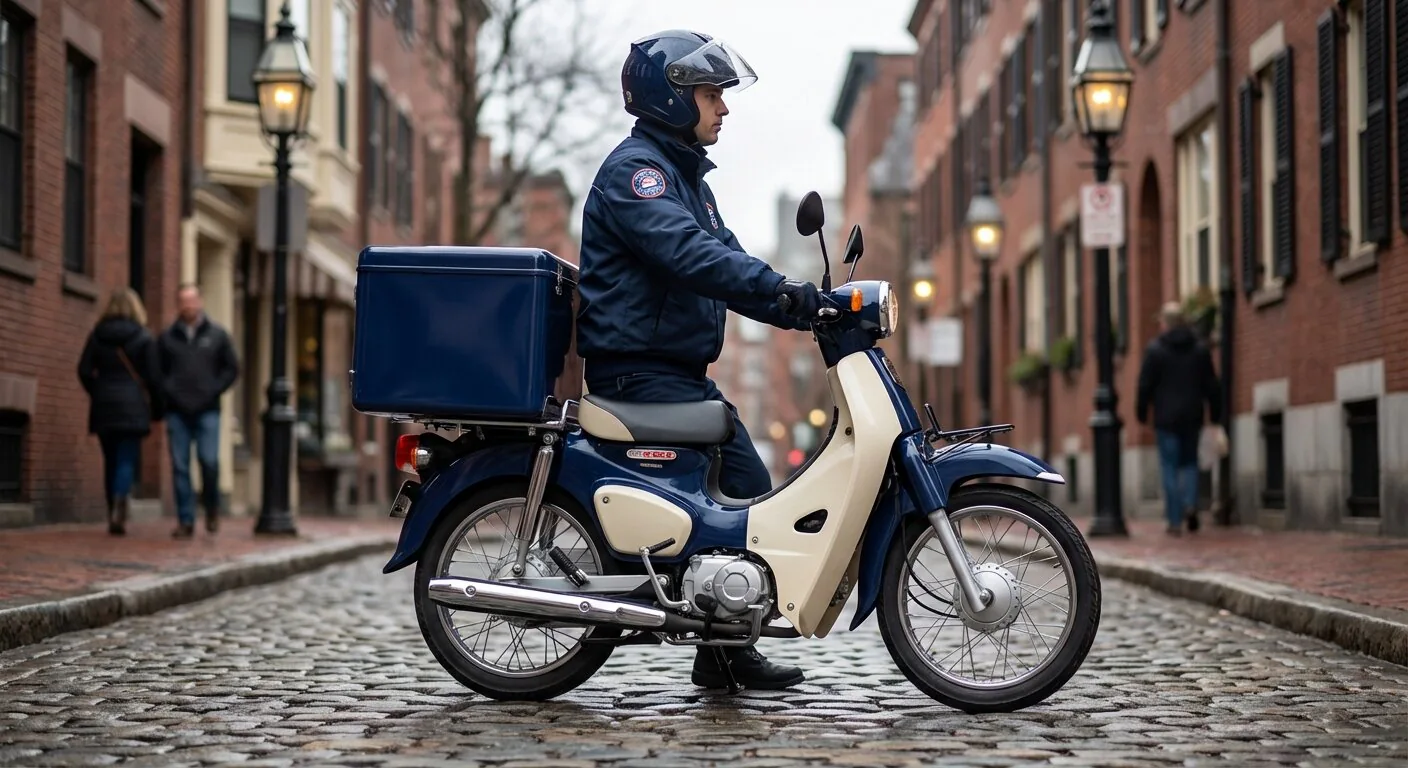
Boston City Councilor Ed Flynn wants to ban e-bikes and mopeds for delivery app drivers. What the ban would mean for delivery times and costs.
Boston City Councilor Ed Flynn has proposed a ban on e-bikes and mopeds for delivery app drivers. The measure aims to improve pedestrian safety, and it would change delivery logistics for every major platform operating in the city.
The proposal targets motorized scooters and e-bikes that delivery drivers frequently use to navigate Boston's dense traffic. Councilor Flynn argues that current enforcement is unrealistic given the high volume of drivers, and he cites safety concerns, including a fatal crash and numerous reports of drivers ignoring traffic signals or riding on sidewalks. If passed, the legislation would require riders to have driver's licenses and register vehicles with the state if they exceed certain speeds. At its core, the bill would ban the use of these vehicles for commercial food delivery outright.
Motorized micro-mobility is the backbone of urban delivery because it bypasses car traffic and reduces delivery times, so the ban would be a major operational problem for delivery platforms and restaurant chains. Removing these vehicles forces a shift toward cars or manual bicycles. Cars are slower in Boston's congested streets, and manual bikes have a much shorter delivery radius, which points to longer wait times and higher costs for consumers.
A ban moves the whole city's delivery time benchmarks
When regulations shift, the entire market's performance benchmarks move with them, and anecdotal evidence will not show by how much. Without granular data, a platform might notice its delivery times increasing and still miss whether it is losing ground to a competitor that has optimized its car-based fleet better.
Performance metrics across the city show how these bans influence consumer behavior and driver efficiency. If a ban causes a 15 percent increase in wait times across the board, for example, a platform needs to know whether its specific delivery zones are performing better or worse than the market average. Manual tracking cannot capture this complexity, while automated data scraping can.
Major cities like Boston are tightening the rules on how food is delivered, and adjusting delivery radiuses or pricing models takes hard data. Platforms that benchmark delivery ETA across all service areas can see where delays hurt their brand most, and historical and current data helps predict how a ban on motorized delivery will affect the bottom line and customer satisfaction.
If Boston's ban passes and you want to see how your delivery times shift against the city average, write to our team at DoubleData.
