- Data analytics
Barclays sees robots cutting delivery costs to $1 per order
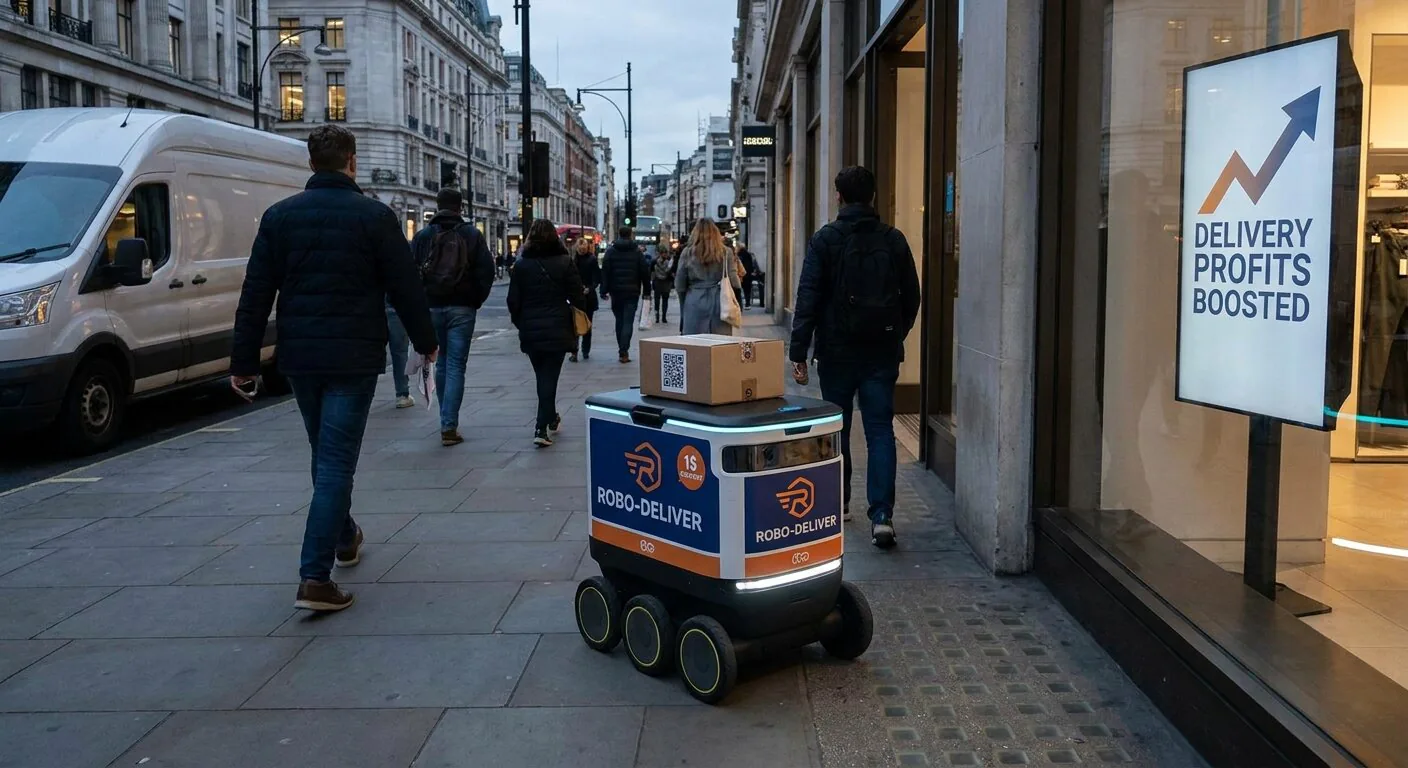
Barclays predicts autonomous robots could cut delivery costs to $1. Learn how this $16 billion shift impacts DoorDash, Uber, and the global food market.
Table of contents
A new report from Barclays says autonomous robots and drones could soon cut delivery costs to as low as $1 per order. The bank estimates that moving away from high-cost human couriers could add $16 billion in global profits for major delivery platforms and restaurant chains.
Last-mile logistics has long been the most expensive part of food delivery. Human-powered deliveries often cost platforms between $8 and $10 per order today, and Barclays notes that early sidewalk robot rollouts have already brought that down to the $5 to $7 range in specific markets. By 2035, the bank expects autonomous penetration to hit 10 percent, which would change profit margins for DoorDash, Uber, and Meituan.
Cheaper delivery changes the whole pricing model. When delivery costs drop to $1, platforms can reduce delivery fees for consumers without giving up their own margins, which brings higher order volumes and better customer retention. The rollout will be uneven, though. Cities differ in regulation and sidewalk infrastructure, so some regions will see the benefits of automation much faster than others.
Automation will arrive in waves, city by city
The right vehicle also changes within a city. A sidewalk robot might excel in high-density urban zones but struggle in sprawling suburbs, where drones or traditional vehicles remain necessary. Platforms that place automated fleets without granular market data risk higher maintenance costs and lost efficiency.
Platforms now need to track how quickly competitors are moving from human fleets to automated ones, and high-level news reports are too coarse for local business decisions. Data intelligence shows where these robots actually operate and how they shift regional market shares. A platform without granular data on fleet composition can find itself priced out of a city where a competitor already delivers for $1 through automation.
Robot fleets show up first in delivery fees and speed
When a competitor launches a robot fleet in a specific district, its delivery fees often drop and its delivery speed becomes more predictable, which puts hidden pressure on other players in that market. Teams that benchmark delivery ETA can compare the speed and reliability of automated fleets against traditional delivery models, and see which neighborhoods are ready for automation and where human couriers still offer the best value.
The useful signal is which tools rivals use to fulfill orders, alongside simple order numbers. Regular Benchmark Competitor Fleet data shows exactly how and where rivals are automating their last-mile delivery.
If you want to optimize your delivery strategy with market data, contact our experts today to learn how DoubleData can help you track the future of food delivery.
Source: Devdiscourse - Revolutionizing Profits: The Future of Autonomous Food Delivery
