- Data analytics
Amazon’s Fresh Bet: How Speed Redefines Grocery Profitability
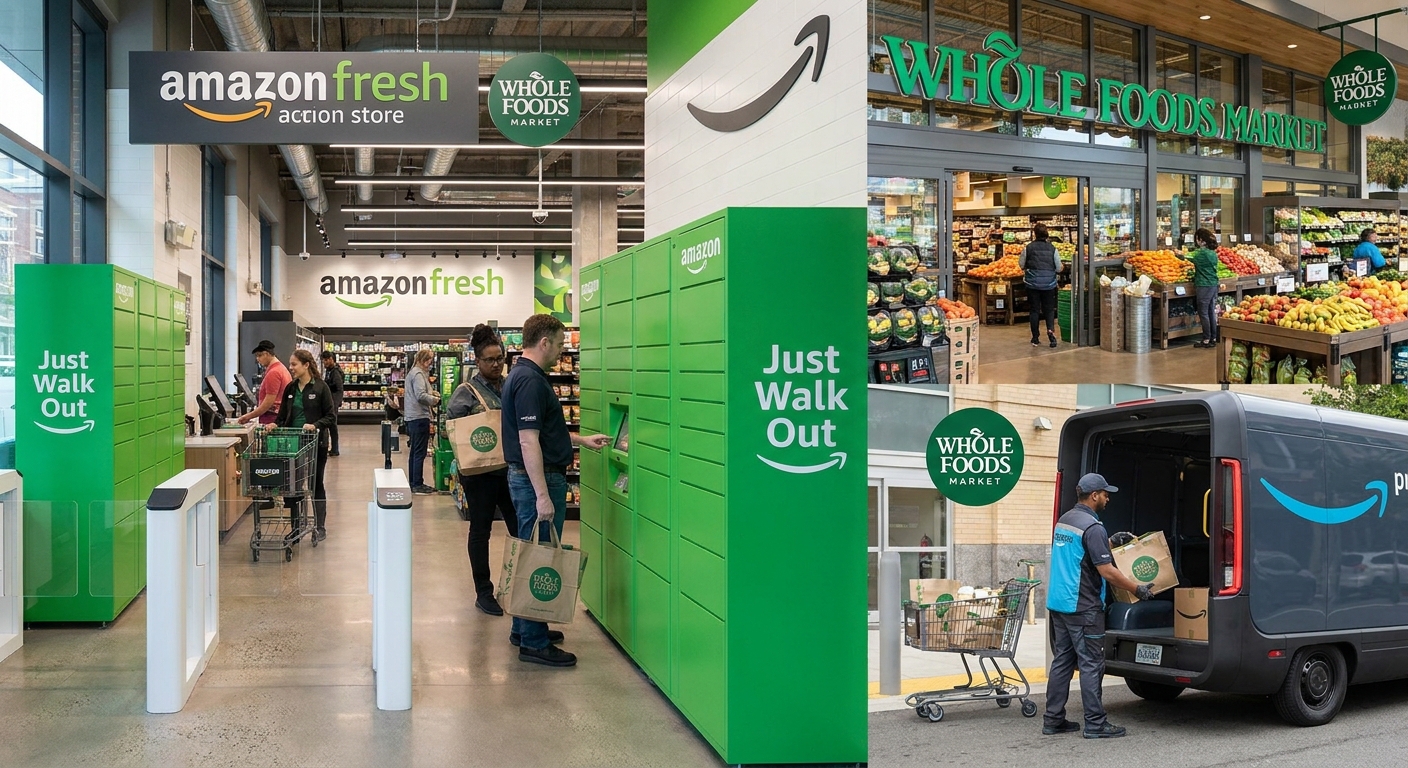
Amazon shifts its grocery focus to Whole Foods and faster delivery. Learn why speed is the key to capturing household spending and how data tracking helps.
Amazon is pivoting its grocery strategy by prioritizing Whole Foods Market and ultra-fast delivery for perishables. By lowering fulfillment costs and increasing delivery speeds, the company aims to capture a larger share of total household spending through a powerful halo effect.
Amazon recently confirmed a major shift in its retail strategy. After closing dozens of Amazon Fresh physical stores, the company is now doubling down on Whole Foods Market as its primary brick-and-mortar grocery driver. This move includes the rollout of "Daily Shop" markets, which are smaller, urban-focused stores designed to fit into dense city environments. The logic is simple: grocery is the largest category of household spending, and Amazon wants a bigger piece of the pie.
According to Amazon’s leadership, the strategy starts with perishables. Data from their latest earnings shows that customers who shop for fresh food with same-day delivery buy nearly seven times more everyday essentials than those who do not. This makes grocery a "force multiplier" for the entire Amazon ecosystem. When a customer trusts a platform for their milk and produce, they are far more likely to buy apparel, electronics, and home goods from that same source.
However, the real secret to this expansion is not just the products, but the logistics. Amazon delivered 1.5 billion items same-day or overnight in the last quarter alone. By increasing the speed of the entire supply chain, they have reduced the cost to serve per unit. For competitors, this creates a difficult environment where they must match both the price and the rapid delivery windows of a global logistics giant. Relying on manual checks or outdated reports to monitor these shifts is no longer enough to stay competitive.
The complexity of this market shift is hidden in the details. While a company might see Amazon’s broad growth, they often miss the regional nuances of how delivery speeds are changing city by city. Data intelligence allows businesses to see exactly where Amazon is gaining a logistical advantage. Without granular tracking, it is impossible to know if a competitor is winning because of their product selection or simply because they are reaching the customer thirty minutes faster.
Winning the Last-Mile Grocery Race
To stay relevant against Amazon’s logistics machine, delivery platforms and grocery chains must have a clear view of their own performance relative to the market. Understanding regional delivery speeds allows for better resource allocation and more aggressive operational targets. Executives can effectively evaluate their logistics health by using Benchmark Delivery ETA to see exactly how their fulfillment times compare to the industry leaders. This data-driven approach ensures that you aren't just guessing why customers are switching platforms, but actually solving the speed gaps that drive churn.
Contact us to learn how data can sharpen your market strategy: https://doubledata.com/about-us/contact#form
