- Data analytics
Zomato and Swiggy pass 20 percent growth by targeting budget diners
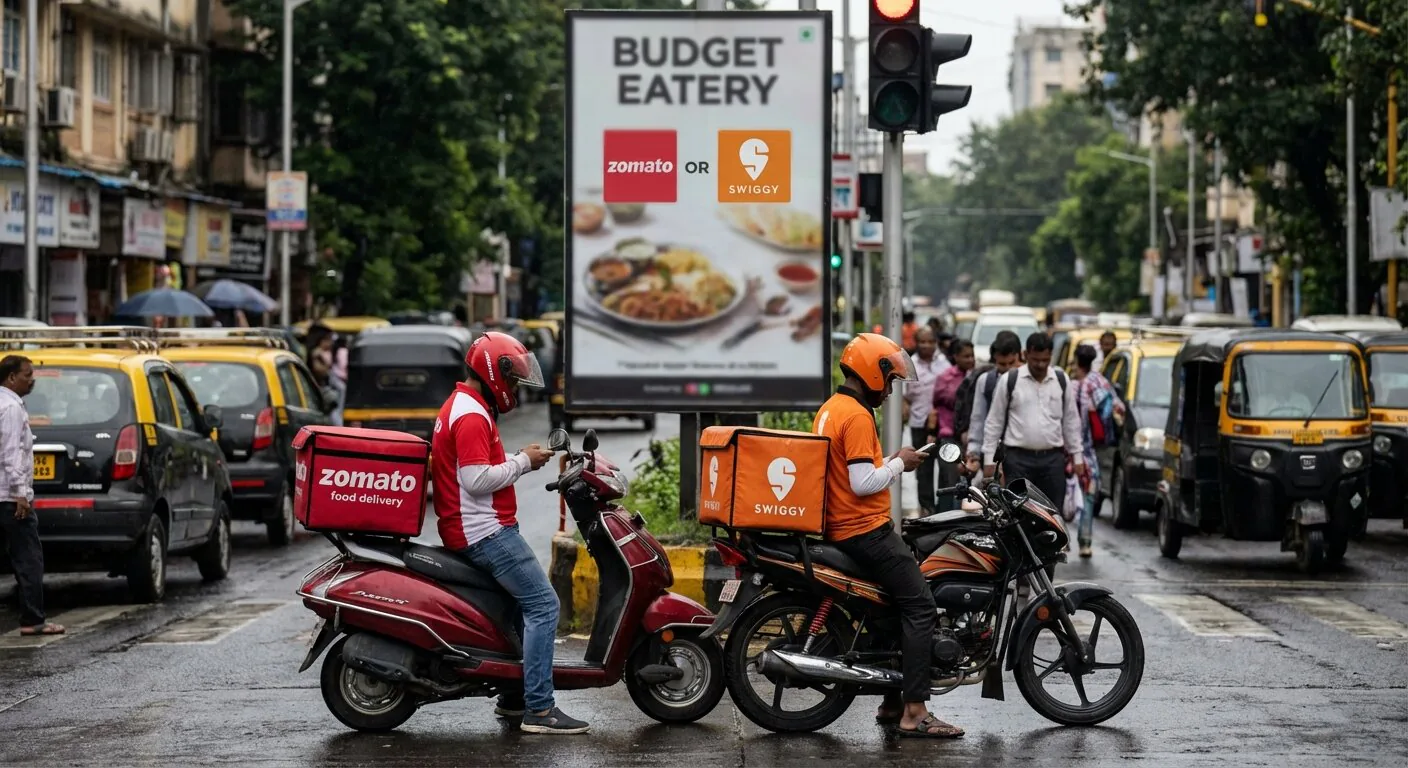
Zomato and Swiggy exceed 20% growth by targeting budget-conscious diners. Learn how data-driven MOV shifts are reshaping the Indian food delivery market.
India's food delivery leaders, Zomato and Swiggy, have beaten growth expectations by targeting budget-conscious customers and health-focused segments. The duopoly is moving from pure profitability back to aggressive user acquisition as new competitors like Flipkart and Rapido enter the fray.
Zomato reported a 21.3 percent increase in gross order value in the latest quarterly results, while Swiggy saw 20.5 percent growth. It is the first time in eight quarters that both players have crossed the 20 percent mark. After several years focused on margins and platform fees, they are expanding their reach to price-sensitive users who order smaller meals more frequently.
Affordability plays drive the strategy. Zomato recently reduced its Gold membership free delivery limit to 99 rupees, down from 199 rupees, and Swiggy launched its 99-store, with menu items priced under a hundred rupees. Both moves target the 100 to 200 rupee average order value range. A lower entry barrier builds long-term habits in a consumer base that was previously priced out of frequent delivery.
Free delivery thresholds decide which restaurants users see
The platforms use granular intelligence to identify exactly where demand is most elastic, and restaurant chains and wholesalers feel the effect. A change to the free delivery threshold instantly alters which restaurants look attractive to millions of users, and businesses without data on those thresholds risk losing visibility. Monitoring these micro-changes across thousands of locations is impossible manually, in a market projected to reach 25 billion dollars by 2030.
New entrants like Flipkart and Rapido will likely use similar affordability tactics to gain a foothold, which will make delivery fees, platform charges, and minimum order requirements change weekly.
Order thresholds are the metric to track. Following minimum order value (MOV) trends shows where the platforms are driving traffic, so you can align your own pricing and promotion strategies with it.
If you sell through Zomato or Swiggy and want to follow free delivery thresholds by city: Get in touch with DoubleData.
Source: The Economic Times
