- Data analytics
Uber Eats raises restaurant commissions for the first time in a decade
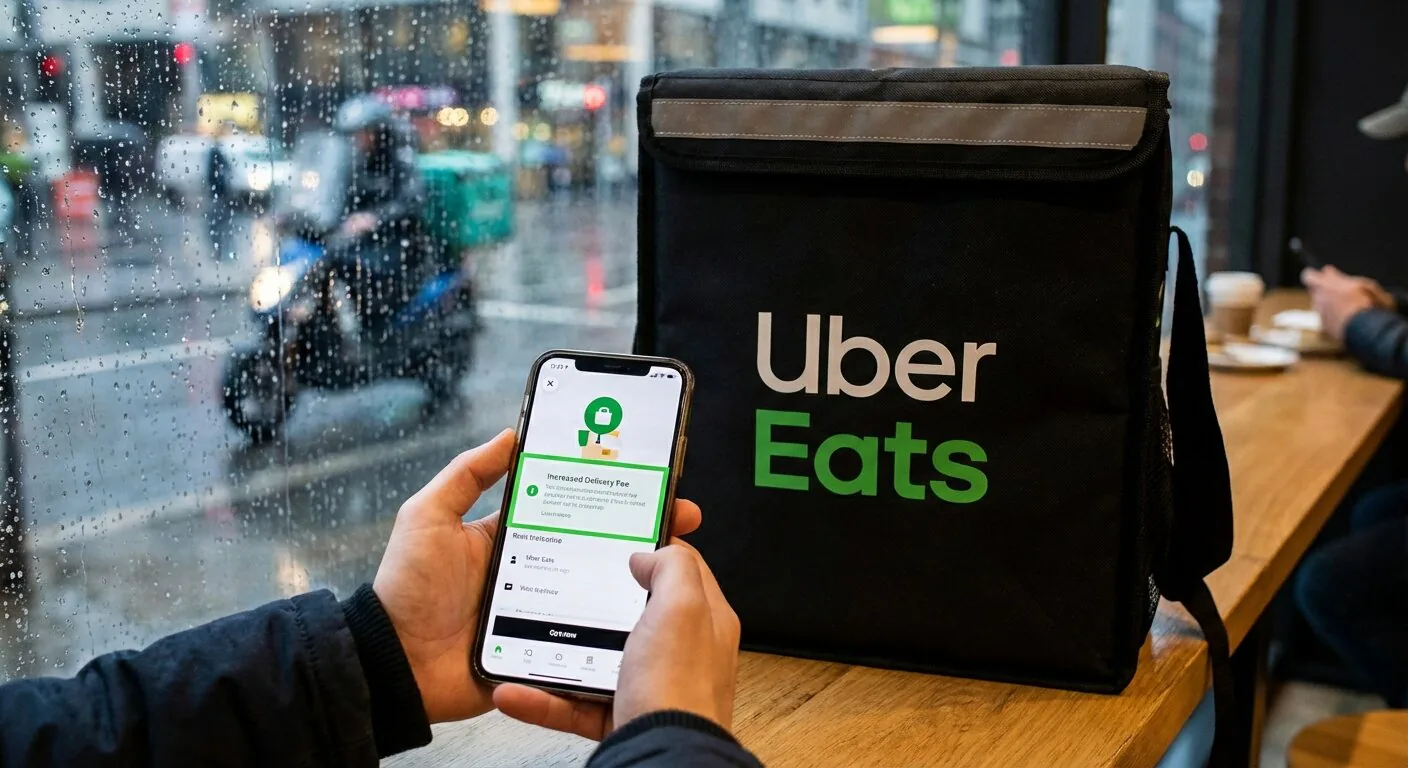
Uber Eats raises delivery commissions for the first time in a decade. Learn how data intelligence helps restaurants protect their margins.
Uber Eats has announced its first commission rate increase in a decade, raising fees by as much as 5% for thousands of small and mid-sized restaurants. Operators now have to rethink their delivery profitability as the cost of reaching high-value Uber One members climbs.
The changes target the Lite and Plus pricing tiers. Lite commissions rise from 15% to 20%, Plus moves from 20% to 25%, and restaurants with negotiated custom rates get a 3% increase. Pickup orders are not exempt, with fees increasing to 7% across the board. Third-party platforms are putting their own bottom-line growth ahead of merchant affordability.
A new 5% surcharge on orders from Uber One members in the Plus tier is the most aggressive part of the update. Uber One members account for roughly 60% to 70% of total bookings, so many restaurants on the Plus plan will effectively pay Premium-level commissions of 30% on the majority of their orders. On thin margins, that cost can be the difference between a profitable year and a loss.
Wages and insurance are the rising costs Uber Eats cites, and the move also improves its "take rate," which recently sat at 19.2%. Restaurant chains have to manage variable costs that change without much warning, on top of simply being present on these apps, and manual checks or outdated contracts are a recipe for margin erosion.
Rival platforms may follow or hold their rates
One platform's fee rise often ripples across the market. Competitors like DoorDash or Grubhub may follow suit, or they may keep rates steady to attract merchants who are feeling the squeeze. Without automated data collection, brands are essentially flying blind, unable to see how their total cost of fulfillment compares to the rest of the market in specific cities or regions.
Delivery commissions now behave like a variable that needs constant oversight. Restaurants that analyze delivery fees across platforms and regions can verify how these changes hit their specific market, then decide on menu pricing adjustments or shift marketing spend to more cost-effective channels.
If you want to compare your Uber Eats commissions with what other platforms charge in your cities, contact our team: Contact DoubleData
Source: https://www.restaurantbusinessonline.com/technology/uber-eats-raising-delivery-fees-some-restaurants
