- Data analytics
Türkiye limits delivery platform fees and requires itemized billing
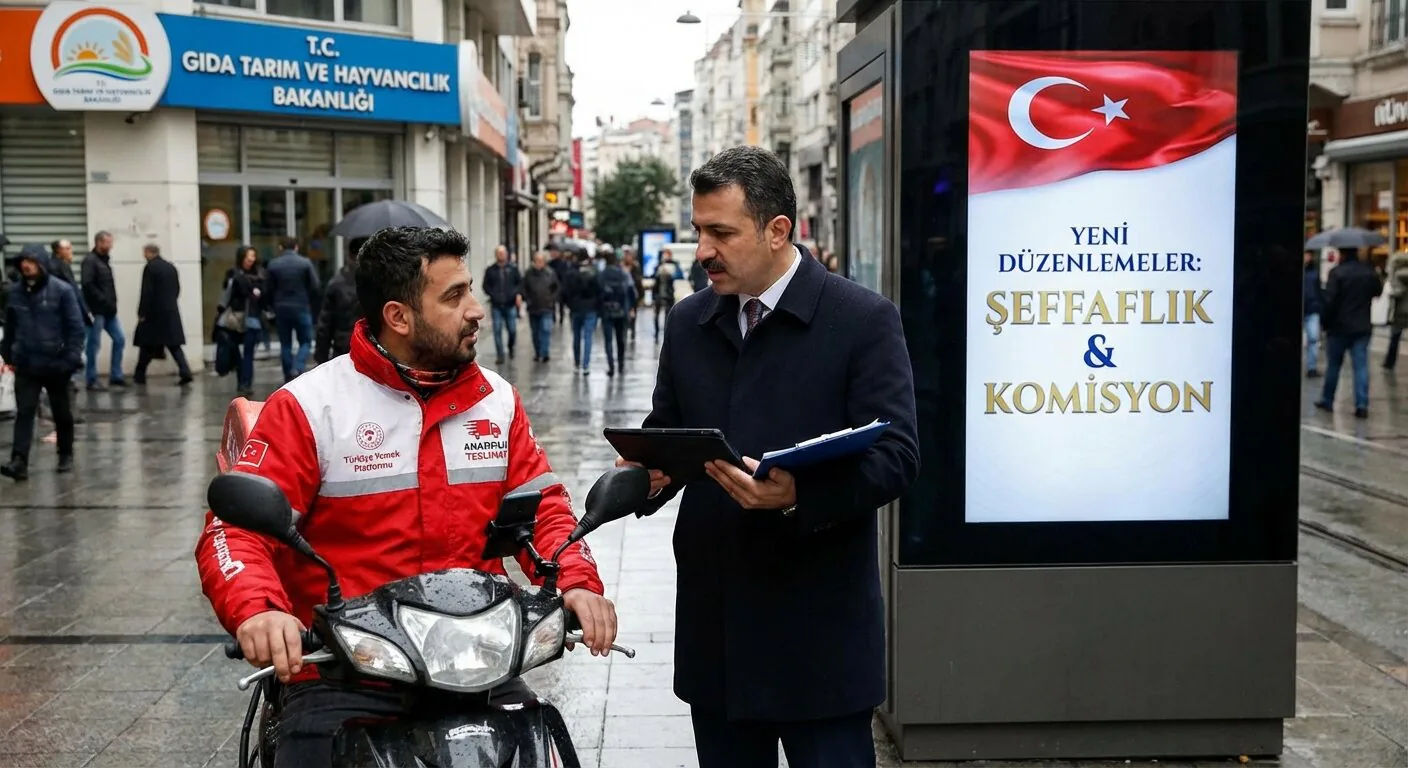
Türkiye's new regulations limit delivery platform fees and mandate transparency. Learn how data intelligence helps manage these market changes.
Türkiye has implemented strict new regulations governing the relationship between food delivery platforms and restaurants. The rules limit platform fees, mandate transparency in billing, and prevent companies from forcing restaurants into marketing campaigns.
According to Hürriyet Daily News, the Turkish Trade Ministry set April 1 as the date by which all charges must be clearly displayed to both restaurants and consumers.
The Turkish Ministry has targeted the digital "black box" of delivery platform costs. Platforms must now provide a detailed seller panel where every commission, advertising fee, and courier charge is clearly visible. Bundling costs into a single figure is no longer allowed, so restaurant owners can see exactly where their revenue is being spent. Platform operators and large chains now have their pricing models under closer scrutiny.
Commission math is one of the most complex parts of the new law. If a restaurant offers a discount, the platform's commission must now be calculated based on the actual price paid by the consumer, and if both the platform and the restaurant offer a discount, the calculation becomes even more granular. The change directly affects revenue per order for major platforms and requires a complete overhaul of how promotional budgets are managed and reported.
Many platforms previously charged commission on the original list price, Hürriyet Daily News reported, which often left restaurants with very thin margins during promotional periods.
Core services like order creation and basic payment processing can no longer carry a charge, and platforms can no longer penalize restaurants that choose to opt out of discounts or advertising activities. Power between the two sides is more balanced as a result, and platforms must work harder to prove the value of their optional marketing services through clear data and performance metrics.
Beyond updating legal contracts, businesses need to understand how the new discount rules affect the overall market, which internal data alone does not show. Market data lets companies track how competitors are adjusting their strategy. Platforms that monitor which brands are pulling back from campaigns and which are leaning into the new consent-based model can refine their own incentive structures without violating the new regulations.
Discount frequency under the new commission rules
Platforms and major restaurant chains have to adapt their digital marketing to stay compliant while maintaining growth. The frequency and impact of discounts across the market is the figure that shows where margins are at risk. Businesses can analyze promotion activity to benchmark their offerings against the wider market and keep their pricing competitive.
If you want to see how discount activity on Turkish delivery platforms changes under the new rules, contact our team at DoubleData.
Source: https://www.turkiyetoday.com/nation/new-rules-take-effect-for-food-delivery-platforms-in-turkiye-3217291, hurriyetdailynews.com
