- Data analytics
Plastic prices jump over 30 percent as restaurants stockpile boxes
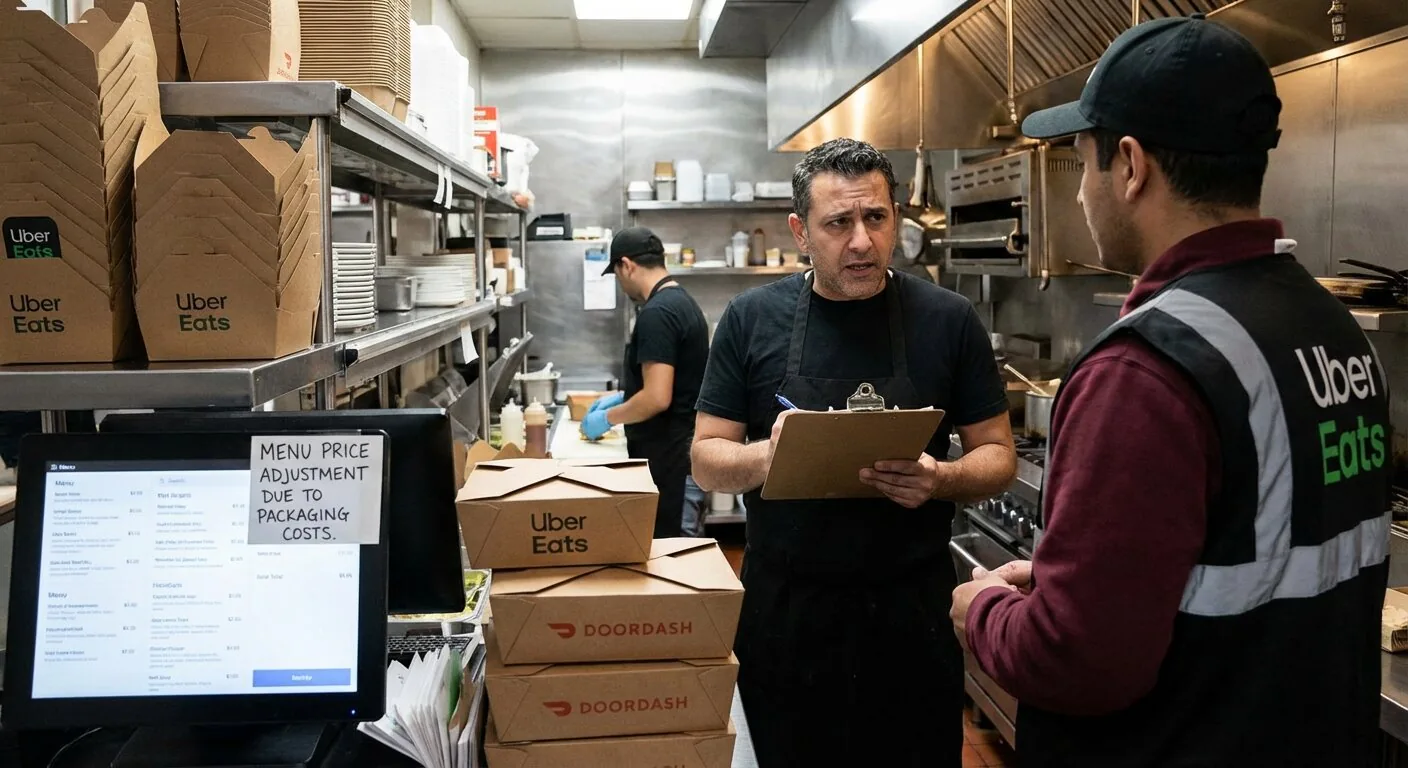
Small restaurants stockpile containers as plastic prices rise 30%. Discover how data helps platforms track these shifting menu prices.
Small restaurants are stockpiling delivery containers as plastic prices surge by more than 30 percent due to global supply chain disruptions. Food service operators are adjusting their pricing overnight to protect their margins and maintain their livelihoods.
A shortage of naphtha, a key raw material for plastics, has triggered a wave of price hikes across the petrochemical industry. Major manufacturers have officially raised prices, and small business owners have responded with a panic-buying spree. Some restaurant owners report spending thousands of dollars to secure inventory, fearing that prices will continue to jump every night. With over 70 percent of restaurants offering delivery services, the cost of a plastic box now matters as much as the cost of the ingredients inside it.
Delivery platforms and wholesale distributors feel the volatility next. When packaging costs rise by tens of thousands of won per box in a single day, restaurants often react by raising menu prices, and across a large platform those small, localized adjustments quickly add up to a wider trend of consumer price inflation. Tracking these changes manually across thousands of digital menus is virtually impossible.
Menu prices show whether packaging is driving inflation
Granular price analysis separates general inflation from specific reactions to supply chain pressure. Without high-frequency data, a platform might see a drop in order volume without realizing that a localized packaging shortage is the root cause. Knowing how fast these costs reach the consumer keeps the marketplace healthy.
The plastic shortage shows how fragile the delivery ecosystem can be. Monitoring how individual merchants respond to rising costs, instead of reading retrospective reports, lets platforms provide better support and adjust their own strategies.
Menu price movement is the early signal. Platforms and wholesalers that monitor Menu Prices can detect inflation trends before they hit overall order volume and react to supply chain disruptions with precision rather than guesswork.
If you want to see how data can protect your market share, contact our experts today at DoubleData.
Source: Korea JoongAng Daily
