- Data analytics
Omaha's Javi's Tacos drops delivery apps after $188K in commissions
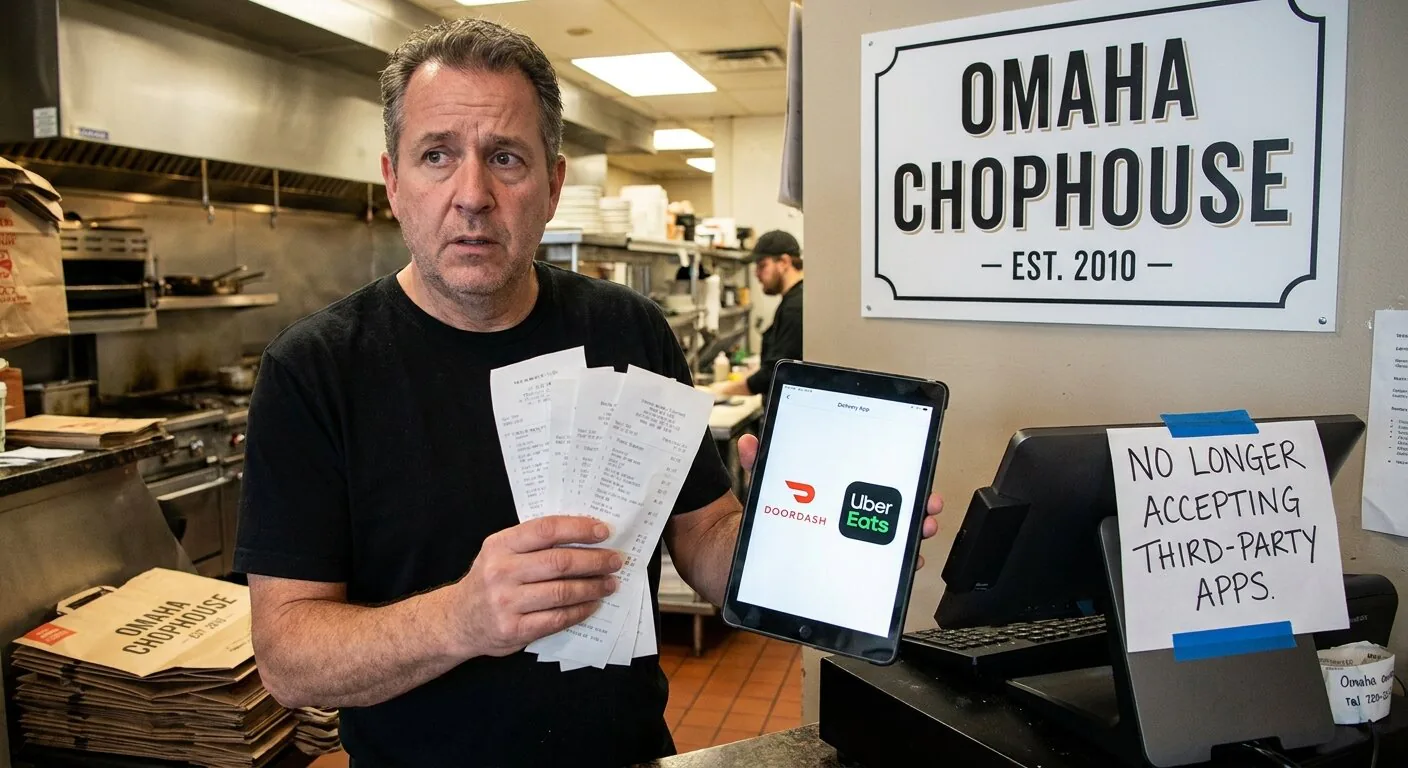
Javi's Tacos in Omaha left delivery apps after paying $188K in commissions in one year. What app markups mean for price parity and restaurant margins.
Javier Trujillo, owner of Javi's Tacos in Omaha, has cut ties with major delivery platforms after paying $188,000 in commissions in just one year. His decision is part of a growing trend in which rising fees force restaurant owners to choose between digital reach and actual profit.
Trujillo found that the 15% to 30% commission rates charged by third-party apps were no longer sustainable. Hidden costs like marketing fees and payment processing often push the total expense even higher. To survive, many restaurants raise their app prices by 20% or more compared to their physical menus, which opens a significant gap between what a customer pays at the counter and what they pay on a smartphone.
The story is also a warning about the fragility of the current delivery model for major chains. When restaurants increase app prices to cover commissions, they risk alienating their most loyal customers, and the effect reaches beyond Omaha to market positioning across entire regions. Without clear visibility into how prices vary across platforms, a brand cannot know whether it is still competitive or accidentally pricing itself out of the market.
Competitors might be absorbing these costs or using different hybrid models, which adds complexity. Some brands now use apps for exposure and handle the actual delivery with in-house staff. That calls for a granular look at how a digital storefront compares to the physical presence and to competitors' strategies.
The menu price gap between counter and app
As the industry moves toward hybrid delivery models, the brands that do well will be the ones that know exactly how their pricing shifts once commissions are applied. We recommend that brands analyze price parity across all digital and offline channels, so prices stay consistent and profitable however the customer chooses to order.
Regaining control over your bottom line starts with the gap between your in-store and online pricing. If you want to see how your brand's app prices stack up against the competition, please reach out to DoubleData.
Contact us to learn more: https://doubledata.com/about-us/contact
Source: Yahoo Finance
