- Data analytics
Maryland becomes first state to restrict personalized food pricing
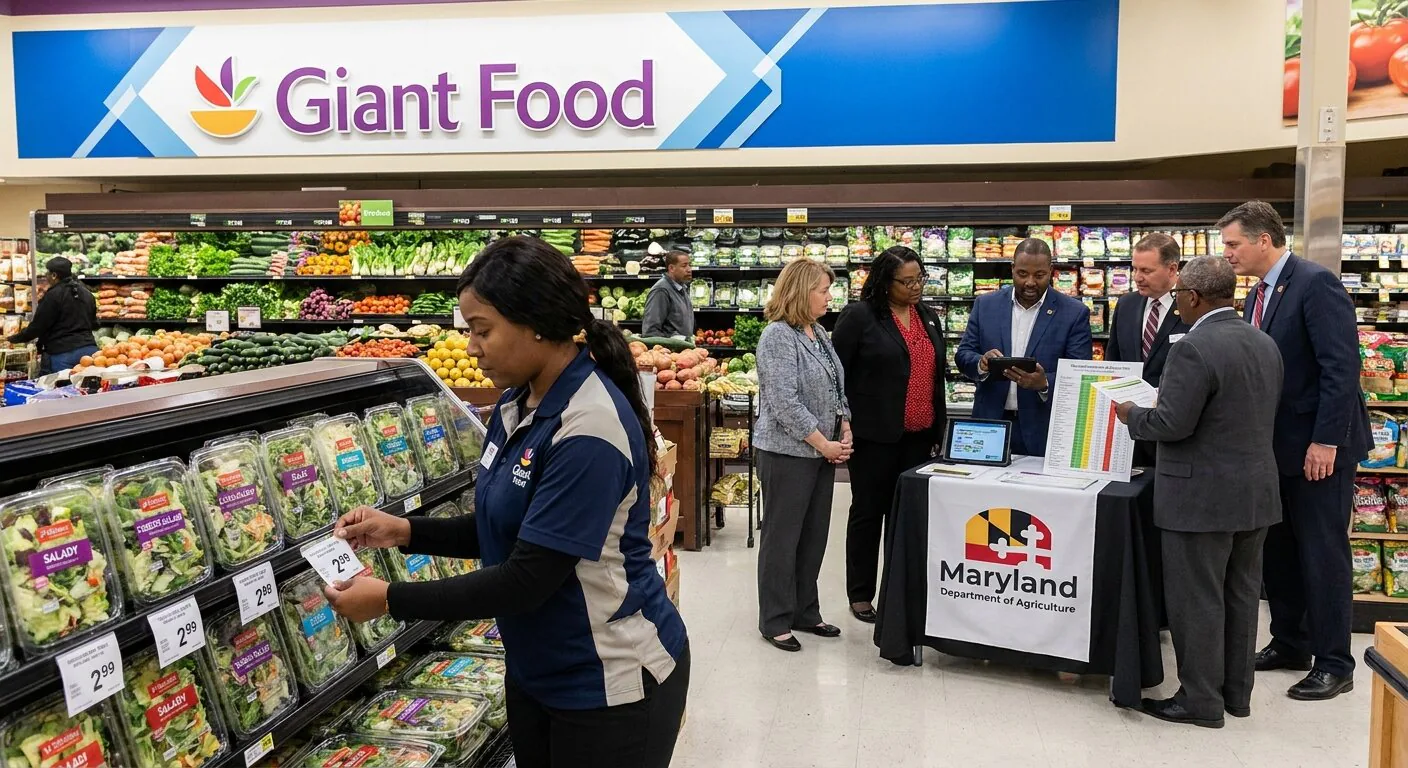
Maryland's HB 895 restricts dynamic pricing in food delivery and retail. Learn how data intelligence helps platforms stay compliant.
Maryland has enacted House Bill 895, becoming the first state to strictly regulate personalized dynamic pricing in the food sector. From October 1, 2026, the law prohibits grocery stores and delivery platforms from using personal data to set higher prices for specific consumers.
The Protection from Predatory Pricing Act changes how the food industry uses customer data. For years, algorithmic pricing has allowed companies to adjust costs based on browsing history, location, or past behavior, and Maryland's framework targets these practices directly to prevent what it views as discriminatory or unfair price hikes. The law allows exceptions like loyalty programs and supply-based adjustments, yet the core restriction on "personalized" pricing creates a significant compliance hurdle for tech-heavy food brands.
Modern pricing engines make compliance hard. Most dynamic pricing models rely on a mix of market trends, inventory levels, and user-specific data, and it is difficult to distinguish a price increase caused by high demand from one triggered by an individual's income or location. Without clear visibility into how competitors and the wider market are pricing goods, platforms risk accidental violations that could lead to fines of up to $25,000 for repeat offenses.
Companies need a baseline of market activity to prove that pricing is based on market conditions rather than personal data. Manual tracking falls short when regulators are looking for patterns of personalized bias. Market data lets brands document that their price shifts follow broader trends, such as city-wide demand or wholesale cost changes.
California and New York may follow Maryland
More states, including California and New York, are considering similar legislation, and the food industry must move toward more transparent, market-driven pricing models. Pricing teams should begin auditing their logic now so that any variation in cost is tied to external factors, not private consumer data.
Market-wide price movement is the benchmark to keep. Dynamic Pricing Intelligence monitors it, so a pricing strategy stays competitive and compliant.
If your pricing reaches Maryland shoppers after October 1, 2026, contact DoubleData to check it against market-wide price movement.
Source: Morgan Lewis
