- Data analytics
Madyo launches food, grocery, and e-commerce delivery in Malawi
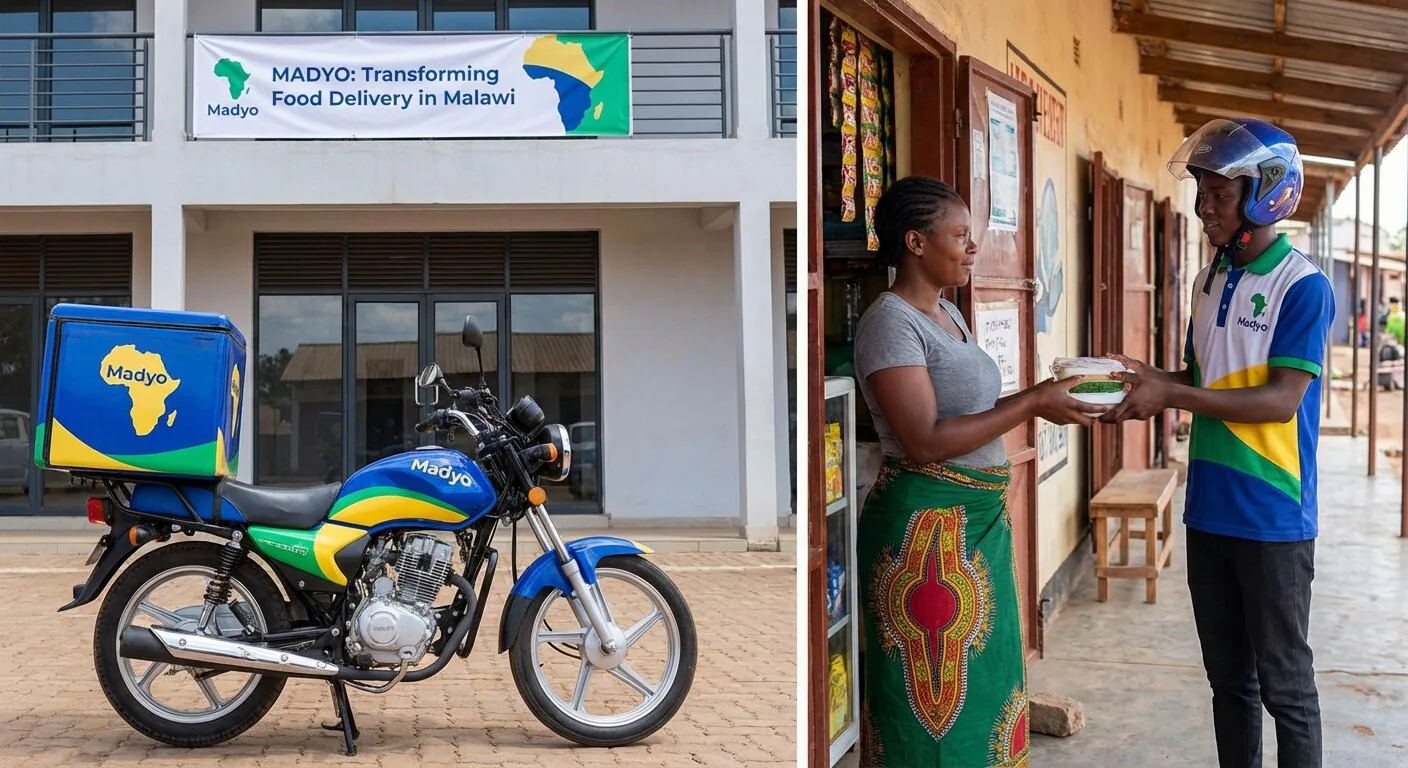
Madyo's launch in Malawi highlights the rapid digitization of African food delivery and the importance of localized market intelligence for growth.
Madyo has launched an integrated platform for food, groceries, and e-commerce in Malawi. The startup uses mobile money and AI-driven recommendations, and it enters a fast-growing tech market.
Madyo is positioning itself as a leader in Malawi's logistics and consumer services sector. The platform targets local needs such as cashless payments and delivery tracking. The company started as a school project, and its evolution into a full-scale logistics business reflects a broader trend across Africa, where mobile-first services are changing how people dine and shop.
International observers and restaurant chains are watching a previously fragmented market formalize. In a country where the tech sector is still developing, platforms like Madyo need a reliable delivery network and transparency for both consumers and restaurant partners.
Any platform entering an emerging market has to understand the ground reality. Manual tracking of restaurant density, operational hours, or delivery speeds is nearly impossible at scale, and without a clear view of the existing infrastructure and competitor activity, businesses risk making decisions based on incomplete information. Data shows the details of a new market, such as which areas are underserved or where delivery logistics face the most friction.
Underserved zones are the first gap to find in Malawi
Established players and new entrants in Malawi need data on the local merchant base and the competitive environment. A Market Landscape analysis identifies gaps in service and high-potential zones.
Platforms like Madyo show where consumer demand will move next, and brands that track their growth can adjust before the market becomes oversaturated.
Entering Malawi or another emerging delivery market starts with knowing its service gaps. Contact our experts today.
Source: The OUUT
