- Data analytics
Louisiana lawmakers study using SNAP benefits to cover delivery fees
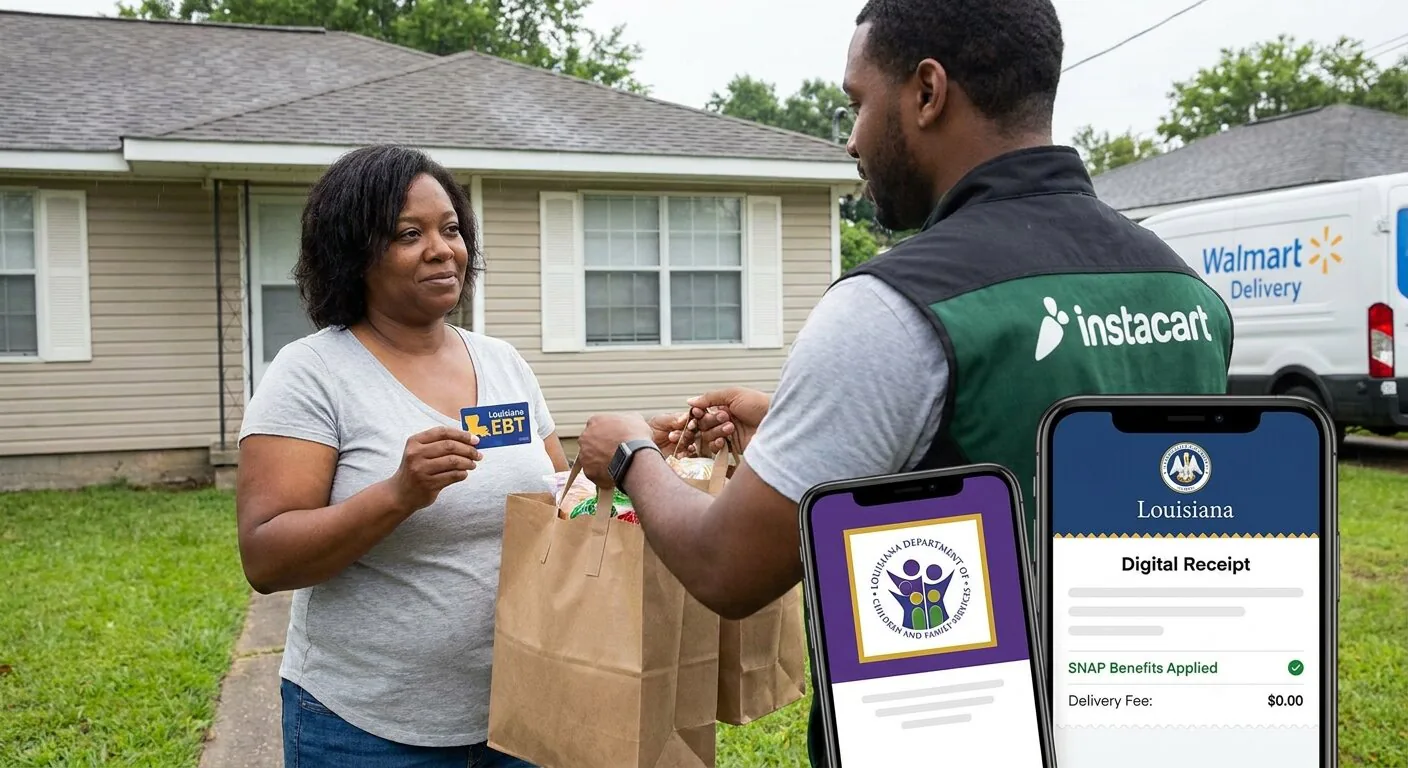
Louisiana lawmakers are studying whether SNAP benefits could cover grocery delivery fees for elderly and mobility-limited residents.
Louisiana lawmakers are investigating a proposal to let SNAP benefits cover grocery delivery fees for elderly and mobility-limited residents. Delivery could become a government-backed essential service, which would open a new market for delivery platforms and grocery chains.
State Representative Barbara Carpenter has introduced a resolution that tasks the Louisiana Department of Health (LDH) with studying the feasibility of expanding SNAP benefits to cover delivery and service charges for online grocery orders. If the resolution passes, the LDH must report on the costs and health impacts by February. The measure targets the gap in food access for vulnerable populations who cannot physically visit stores or lack reliable transportation.
Historically, SNAP benefits could only be used for the food items themselves, leaving the user to pay delivery fees out of pocket. That financial barrier often kept the lowest-income and most isolated residents from using these services. If the state begins subsidizing these fees, delivery platforms gain a large group of customers they could not reach before, along with a new level of government scrutiny on how fees are structured and applied across different regions.
Subsidized fees bring scrutiny of fee structures
Government-subsidized programs require transparent and competitive pricing structures. Lawmakers will want to know whether fees are fair and how they affect the overall cost of food security. Companies without a clear view of the market may be unable to justify their pricing to state auditors, or may miss the opportunity to bid for expanded service contracts. Fee data shows how fee structures vary across specific zip codes and competitor platforms.
Legislators are looking at the "cost and feasibility" of these programs, and delivery giants and wholesale partners need to understand the current fee environment to align with potential government caps or subsidy limits. That means knowing the historical trends and regional variations in service charges. Companies that Analyze Delivery Fees across their service area can position themselves for future government-backed volume.
Delivery platforms and grocers that could gain SNAP-funded orders in Louisiana should know where their fees stand first. Get in touch with our team: Contact DoubleData.
Source: https://www.wafb.com/2026/05/12/louisiana-lawmakers-consider-snap-benefits-food-delivery-fees/
