- Data analytics
Keeta offers to drop exclusivity and price parity rules in Hong Kong
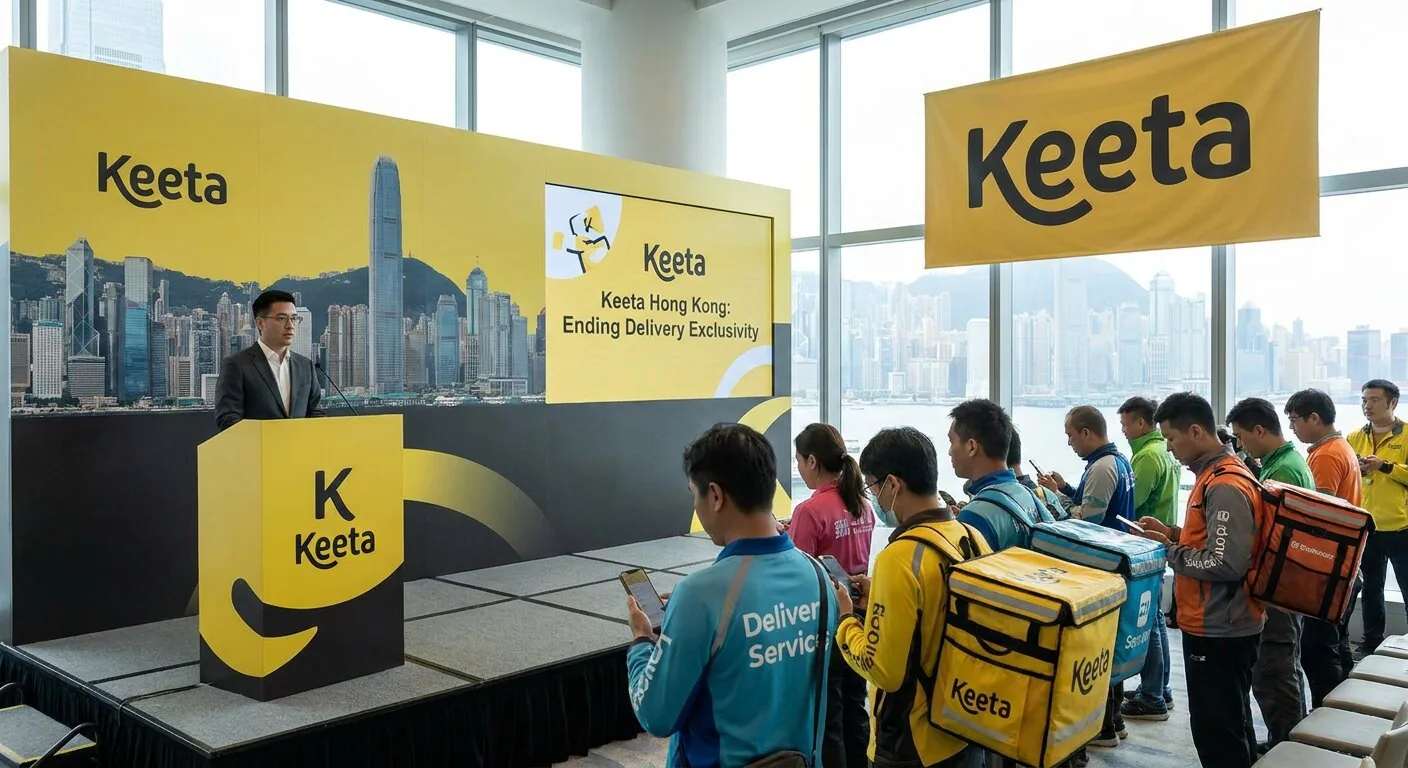
Keeta proposes removing exclusivity clauses and price parity rules in Hong Kong. Learn how this shift impacts food delivery competition and market share.
Keeta, the delivery platform backed by Meituan, has proposed removing exclusivity clauses and price parity rules in Hong Kong to address concerns from the Competition Commission. The changes would give restaurants more freedom to work with rival delivery services.
Exclusivity has long been a primary tool for platforms to maintain market share in Hong Kong. By offering lower commission rates to restaurants that agreed to stay on a single platform, giants effectively locked out smaller competitors. Keeta's proposal would simplify the move to a multi-platform model for restaurants, and it would allow them to offer lower prices on their own websites or other platforms without facing penalties.
The proposal is a direct response to a public consultation launched by the competition watchdog. If the commitments become legally binding, Hong Kong will move away from a market of silos and toward a more open ecosystem where the same restaurant might appear on three or four different apps simultaneously. Fairer terms for restaurants also mean platform operators have to track where their "exclusive" partners are going.
When exclusivity rules disappear, restaurant churn and platform switching increase quickly, and manual checks cannot keep up. Data intelligence shows which brands are testing rival platforms and where a competitor is gaining a foothold. Without granular data, it is difficult to tell whether a drop in volume is due to market trends or to a key partner joining a competitor's fleet.
Restaurant overlap replaces contract loyalty
As the barriers to entry for restaurants drop, contracts will no longer enforce loyalty. Restaurants will stay with platforms for the value, speed, and order volume they provide.
Executives tracking how their restaurant base compares to the rest of the market can Analyze Restaurant Overlap to identify which partners are moving toward a multi-platform strategy, so account managers can intervene before a restaurant leaves entirely. The same view shows gaps in a platform's own catalog where a competitor might have a temporary advantage.
For a view of which of your Hong Kong restaurants also list on rival apps, contact our team: Contact DoubleData
