- Data analytics
JD.com returns to profit as delivery losses narrow
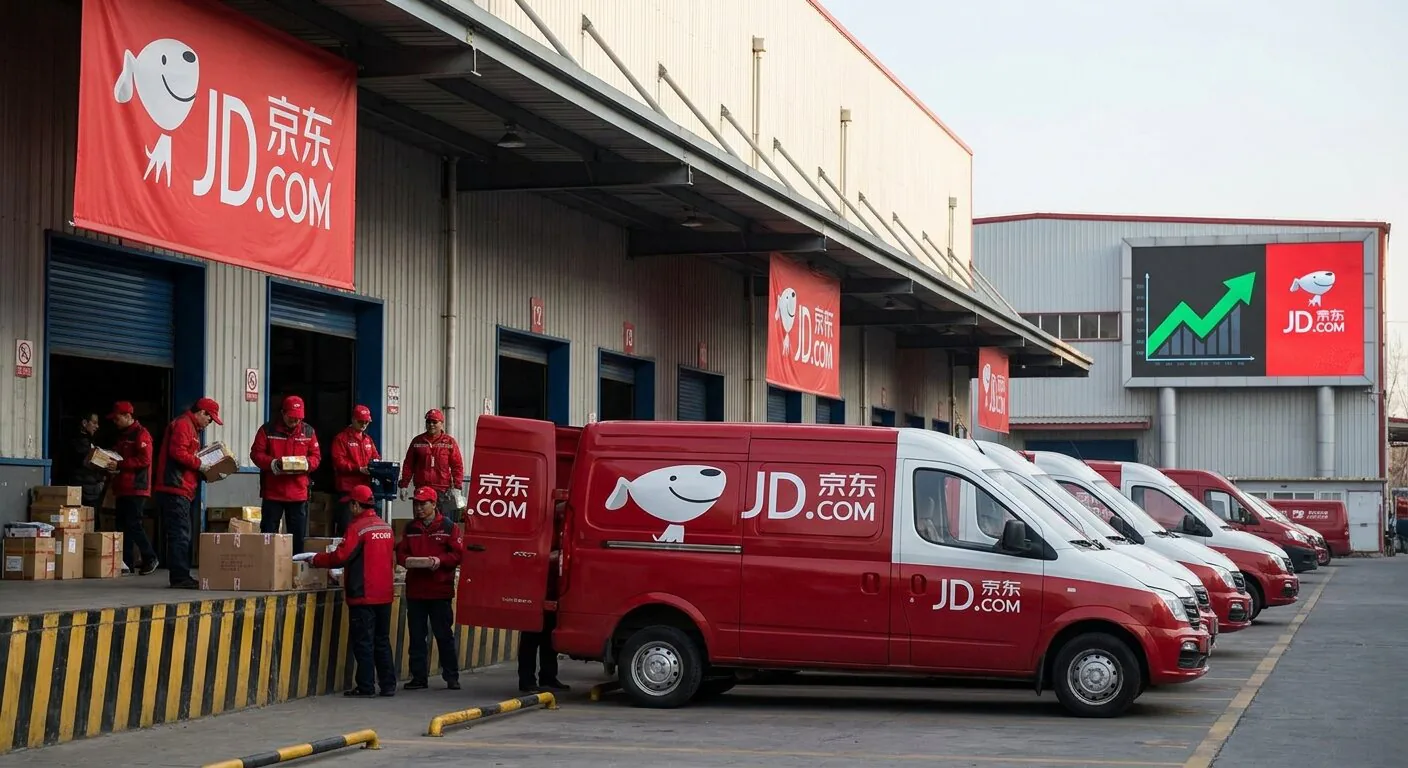
JD.com signals a turnaround in food delivery profitability. Learn how market share benchmarking tracks the impact of China's delivery price wars.
JD.com returned to the black in the first quarter, a sign that its aggressive entry into the food delivery market is starting to stabilize. After a year of heavy losses driven by a fierce price war with Meituan and Alibaba, the e-commerce giant is showing that it can balance growth with fiscal discipline.
Since launching its food delivery services in early 2025, JD.com has relied on heavy subsidies and deep discounts to gain a foothold in an already saturated market. The strategy captured market share and also pushed the company into its first quarterly losses in years. The latest results suggest that JD.com is now narrowing these losses while maintaining its presence in the delivery ecosystem.
Competing platforms get mixed news. The return to profit suggests a cooling of the extreme price wars that have compressed margins across the industry, and it also makes JD.com a more dangerous and sustainable competitor. The company appears to have moved past buying customers at any cost and is now focusing on operational efficiency and merchant retention.
Narrowing losses often come from subtle changes in delivery fees, restaurant commissions, and geographic focus, and without data intelligence it is impossible to see whether a competitor is pulling back from certain cities or simply getting better at logistics. Week-over-week changes in store counts and order availability make those moves visible, so platforms can react before they lose their dominant position.
Regional market share is the number to watch
As Chinese food delivery matures, accurate market share figures matter more. JD.com's recovery shows that a large new entrant can still break into the market. Market Share Benchmarking tracks competitor movements across key regions and urban centers, so you can protect your position.
As the price war between JD.com, Meituan and Alibaba cools, contact DoubleData to see where regional market share is moving.
Source: MarketScreener
