- Data analytics
Growth Kitchen targets £100m in sales through host kitchens
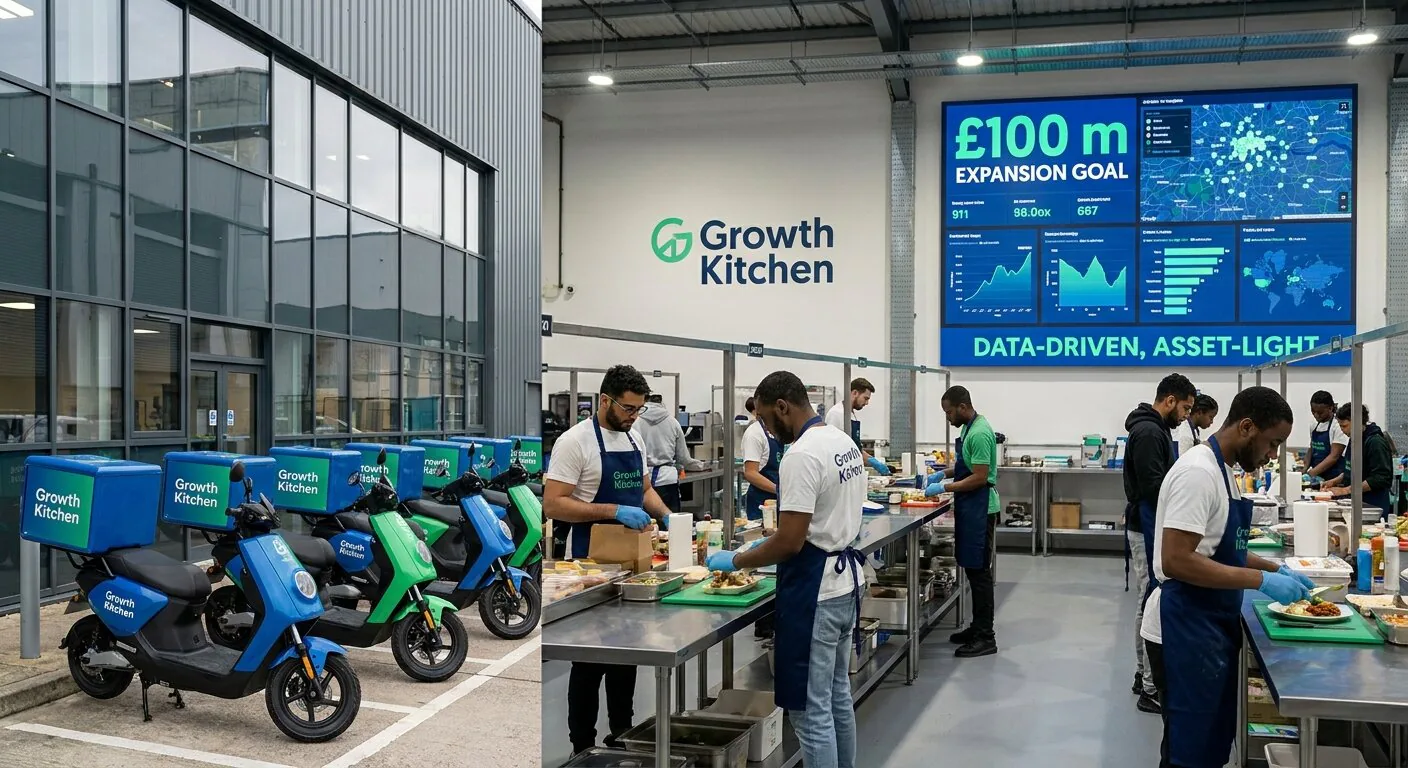
Growth Kitchen aims for £100m in sales via host kitchens. Learn how data intelligence tracks this asset-light delivery expansion.
Growth Kitchen is targeting £100 million in annual sales by scaling its host kitchen model, which lets major restaurant brands expand nationwide without the high costs of physical storefronts. The firm uses unused space in existing kitchens to help brands like Tortilla and Coco di Mama reach new customers without the heavy investment that bricks-and-mortar sites require.
Its founders describe Growth Kitchen as the Airbnb of professional kitchens. Restaurants face a perfect storm of rising energy bills, high food costs, and increasing wage pressures, and building a new restaurant for every new neighborhood is no longer sustainable for many of them. Brands instead provide their recipes and menus to host kitchens that handle the operations and delivery. The asset-light approach allows rapid scaling, and it also opens a massive visibility gap for competitors and market analysts.
Counting storefronts stops working as a measure of market share when expansion happens behind the scenes in existing kitchens. A brand can now enter twenty new delivery zones in a month without opening a single new front door, which makes it hard for delivery platforms and competing chains to see how a city's market really looks. Businesses that rely on manual tracking will miss the moment a competitor suddenly saturates a local market from a hidden location.
Delivery platform data shows where these brands actually operate: which brands are active, which locations are fulfilling orders, and how competitive density is changing. That view helps any executive looking for white-space opportunities or defending local market share against invisible rivals.
Shared kitchens make delivery footprints harder to see
The move toward shared kitchen space is an admission that delivery is now a permanent, standalone pillar of the restaurant business. Directors and C-level executives now need spatial intelligence as well as food quality. A Ghost Kitchen Database shows the footprint of both physical and virtual competitors, so expansion decisions rest on the total market reality beyond visible storefronts.
With Growth Kitchen aiming to double its network to 300 sites, the speed of market change will only increase. The number to watch is how many delivery zones each host-kitchen brand covers, and the companies that track these hidden players will be the ones that capture the next wave of delivery growth.
Host-kitchen brands are hard to spot from the street. Ask DoubleData which ones deliver in your zones.
Source: Perspective Media
