- Data analytics
State attorneys general urge FTC to ban hidden delivery app fees
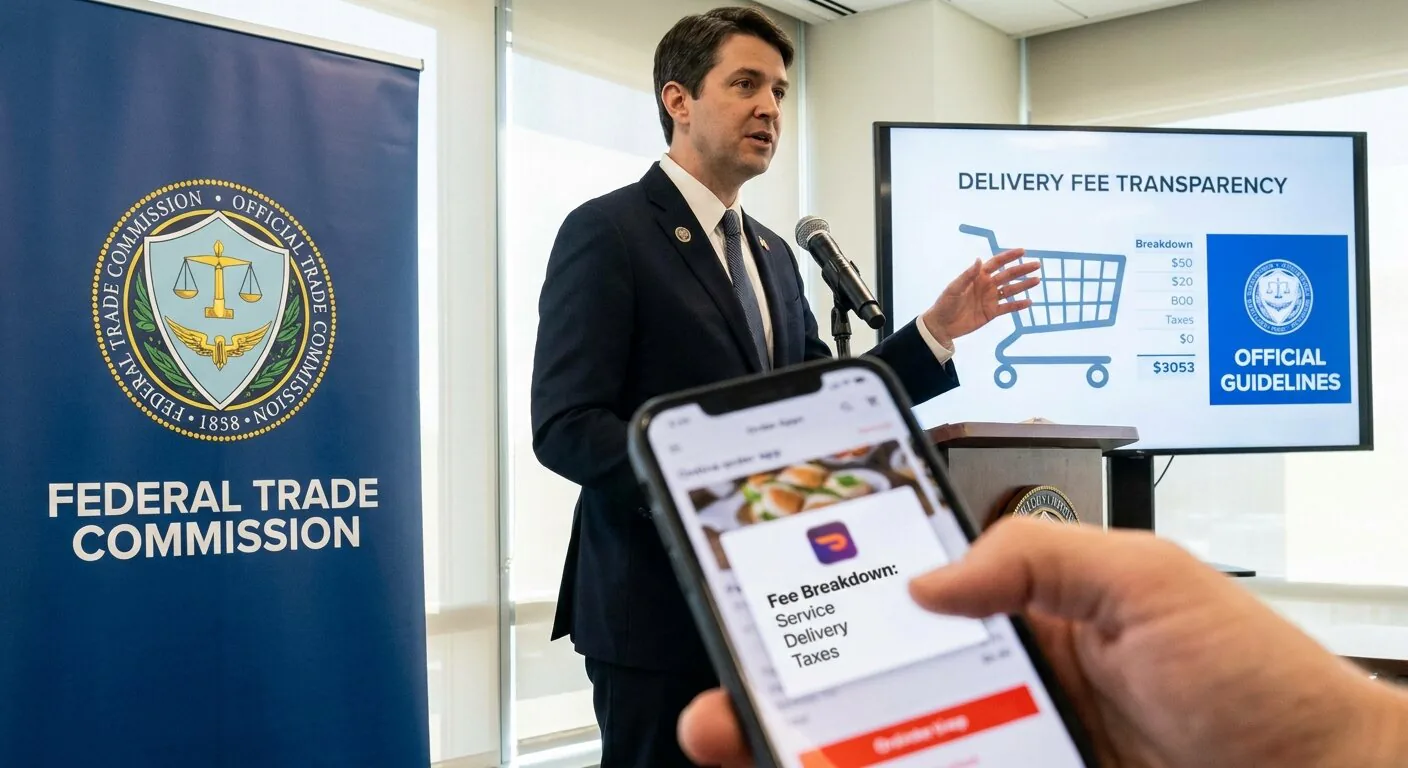
A bipartisan group of state attorneys general wants FTC rules on hidden delivery fees and menu markups. What online vs offline price data shows.
A bipartisan coalition of state attorneys general is urging the Federal Trade Commission (FTC) to adopt strict rules against hidden fees and price markups on delivery apps. Mandatory cost transparency could change how food delivery platforms and restaurant chains structure their digital pricing.
North Carolina Attorney General Jeff Jackson leads the effort, which focuses on what regulators call "junk fees": the service charges, delivery costs, and small order fees that often appear only at the very end of the checkout process. The coalition is also calling for clear disclosures when a restaurant's online menu prices are higher than its in-store equivalents. That puts revenue models built on tiered fee structures under legal pressure.
The attorneys general specifically pointed to the growth of delivery services as an essential utility for seniors and those with mobility issues. They also expressed concern that platforms might use customer data to set individualized prices, potentially charging different users different amounts for the same order based on their history or location. Under this level of scrutiny, platforms can no longer treat pricing algorithms as a "black box" if they want to avoid federal intervention.
Managing these markups across thousands of venues is immense work, and most large platforms and QSR chains struggle to keep a clear view of their price parity. Without granular data tracking, a platform might not even realize how much its third-party partners are marking up menus compared to their physical locations, a significant compliance risk if new federal transparency rules are adopted.
State pressure points to a "what you see is what you pay" model
Momentum behind total cost transparency is growing. Whether the FTC acts immediately or not, pressure from state-level regulators will likely force a "what you see is what you pay" model across the industry. Companies that proactively audit their digital menus to make sure they are defensible will be much better positioned than those that wait for a lawsuit or a federal fine.
Brands need a clear view of how their digital prices match reality. Consistently monitoring online vs offline pricing across all regions is a vital first step, and the gaps it reveals let brands adjust before regulatory pressure turns into a public relations or legal crisis.
If you need to audit your platform's pricing transparency or monitor competitor fee structures, our team can help you build a data-driven strategy. Contact us today to discuss your data needs.
Source: https://www.wect.com/2026/05/27/north-carolina-attorney-general-urges-federal-crackdown-food-delivery-fees/
