- Data analytics
DoorDash backs ALSO's autonomous small EVs at a $1B valuation
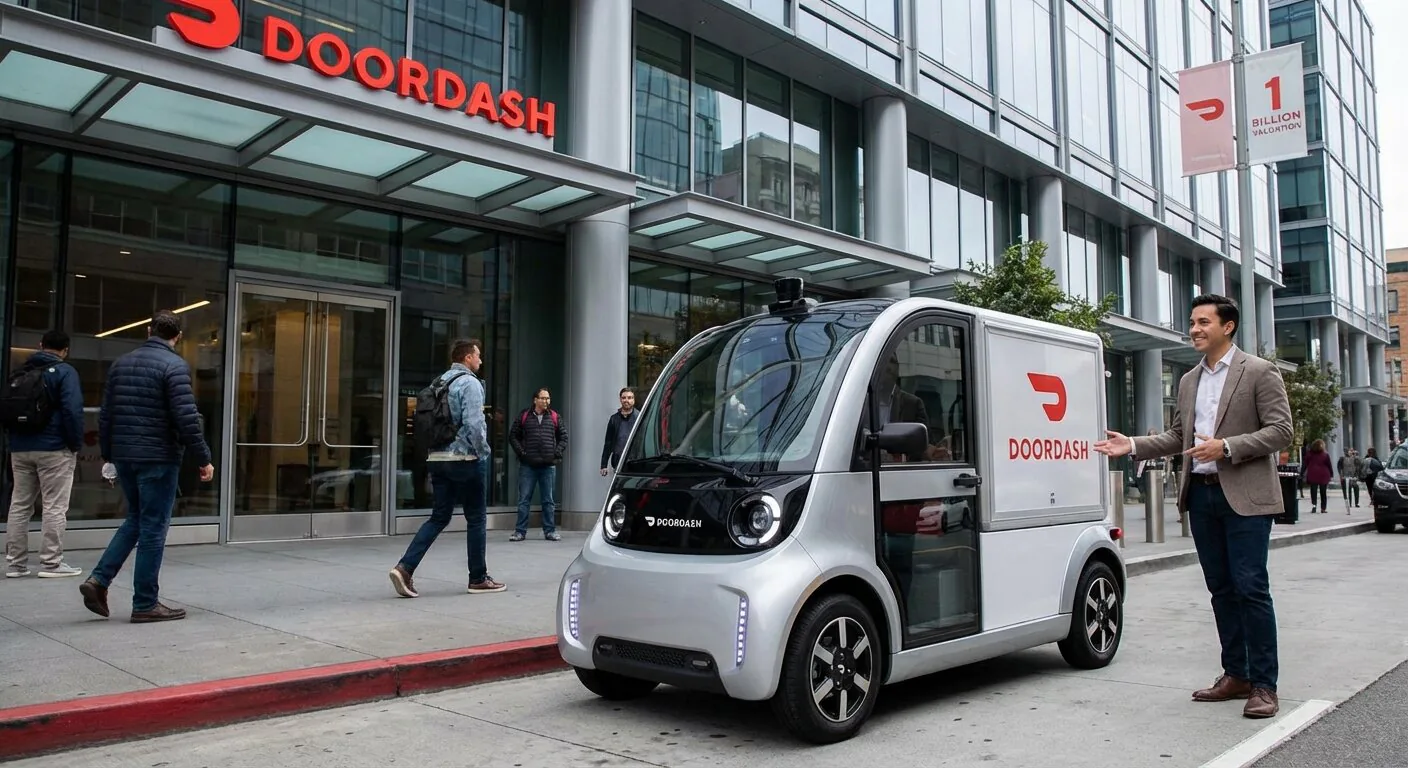
ALSO raises $200M for autonomous delivery vehicles. Discover how DoorDash's investment impacts the future of last-mile delivery and fleet benchmarking.
ALSO, a specialist in small electric vehicles, has secured $200 million in Series C funding at a $1 billion valuation. DoorDash has joined as a key investor and commercial partner, betting on autonomous, purpose-built vehicles for the last mile.
Greenoaks Capital led the investment round. ALSO, which spun out of Rivian in 2025, does not build standard cars: it creates compact electric vehicles like the TM-Q, a four-wheeled cargo EV designed specifically for bike lanes and dense urban environments. For DoorDash, the financial investment comes with a multi-year commercial commitment to deploy these vehicles at scale, past small pilot programs and into real-world operations.
The cost and complexity of the final mile is the bottleneck these vehicles target. As DoorDash expands into grocery and retail categories, which now account for over 30% of its monthly active users, the pressure to lower labor costs and improve delivery speed has never been higher. Standard cars are often inefficient in congested city centers, and vehicles that can use bike lanes and road-adjacent spaces let platforms bypass traffic and reduce the time a driver spends looking for parking.
Autonomous hardware at a player the size of DoorDash changes the unit economics of the entire market, and competitors and restaurant chains need to track that change. Without granular data intelligence, it is difficult to see how a shift in fleet types affects delivery fees, wait times, and market dominance in specific zip codes, or how a rival's new fleet structure is undercutting your own delivery margins. Manual observation will not show it.
Fleet mix as the next cost gap
Delivery zones and pricing tiers will likely need a re-evaluation once ALSO's vehicles are introduced in 2026. Platforms that ignore these infrastructure changes risk losing ground to those that can offer lower fees and faster ETAs through automation.
Protecting market share starts with knowing the mix of cars, e-bikes, and autonomous bots that competitors use. Operators can regularly benchmark competitor fleet models to see where hardware advantages are creating a performance gap, so they can pivot before more efficient hardware outpaces them.
If you want to know which competitors are moving to small EVs or autonomous fleets in your zones, reach out to our team at DoubleData.
Source URL: https://thenextweb.com/news/also-rivian-spinoff-200m-series-c
