- Data analytics
DoorDash's 2026 workplace report: group office orders up 30 percent
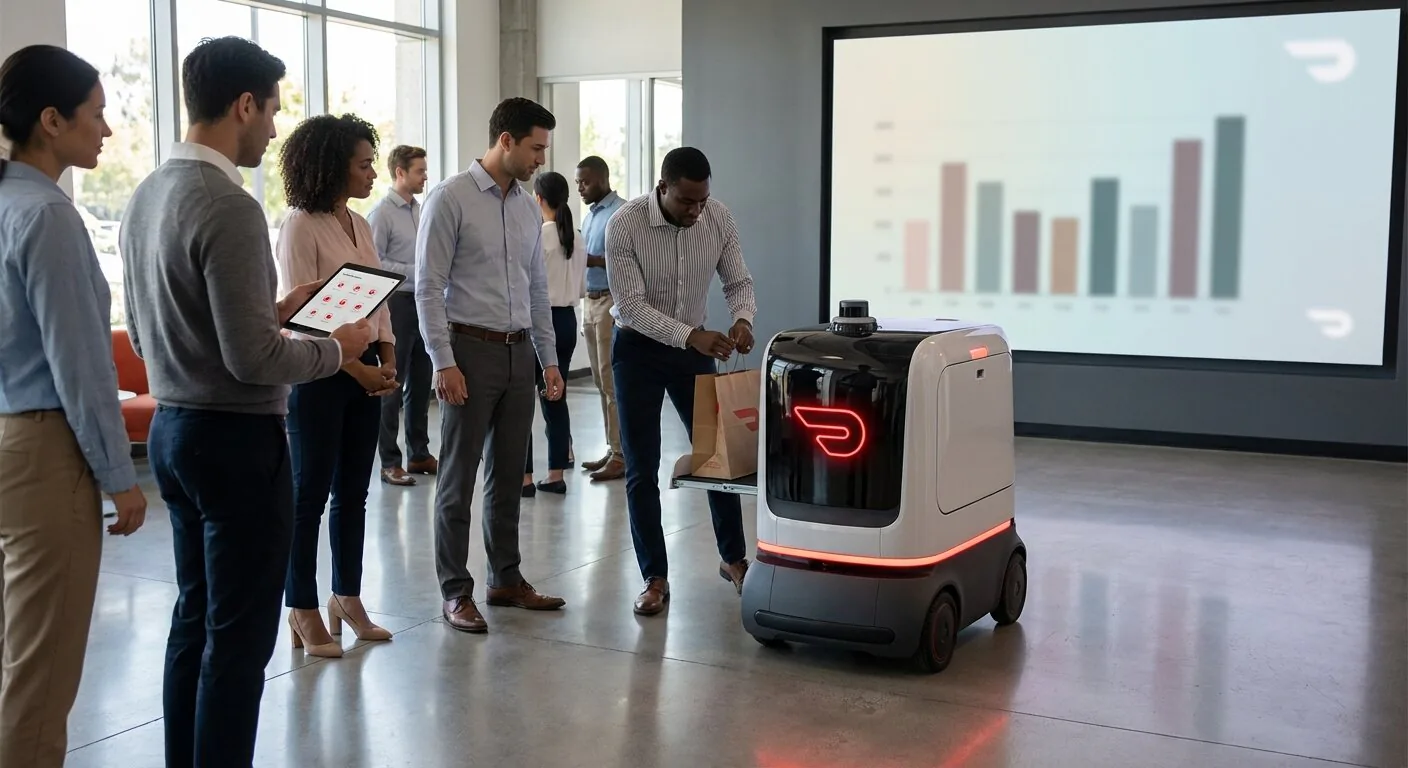
DoorDash's 2026 workplace report shows a 30 percent rise in group office orders and late-night ordering at AI firms as offices fill up again.
DoorDash's latest report shows a 30% surge in group office orders and a massive move toward late-night deliveries in high-growth sectors like AI. As major employers like Microsoft mandate a return to the office, food demand is moving from residential suburbs back to urban business hubs.
The 2026 workplace delivery trends report shows that the traditional 9 to 5 window is no longer the only peak for corporate food orders. Data from over 700 companies across 4,800 locations shows group orders growing significantly faster than standard individual deliveries. It points to a widespread return to the office, supported by the fact that 38% of professionals are now fully office-based. For food delivery platforms and restaurant chains, the "midday rush" is turning into a high-volume, high-value group event.
Timing also differs by industry. Most workers order lunch at noon, while employees at AI startups place their delivery orders between 5 PM and 7 PM, and 62% of AI sector employees order food after 6 PM. That "dinner at the desk" culture is a major revenue opportunity for platforms that can manage late-night logistics and for restaurants that can maintain high quality outside of standard hours.
Internal sales data alone cannot explain these shifts. Capturing this revenue means knowing with geographic precision where the return to the office is happening, because many corporate hubs are in transition and demand is concentrated in specific neighborhoods or business parks. Without granular market intelligence, a platform might miss the fact that a specific city block has seen a 40% increase in evening demand due to a new tech campus. Data intelligence bridges the gap between broad national trends and local execution.
After-hours demand from AI and banking offices
Expansion and marketing plans need to follow high-growth corporate zones, down to where the long-tail hours of the AI and banking sectors are actually occurring. As the corporate world settles into hybrid and office-based models, the brands that use data to map these shifting perimeters will capture the most valuable group and after-hours orders.
QSR penetration by city data shows where office demand is underserved and which areas are prime for new partner acquisitions or specialized meal perks. Finding those gaps supports better resource allocation and more effective partnerships with corporate meal programs.
To learn more about how data intelligence can support your growth strategy, contact our team today: Contact us
Source: https://fooddigital.com/news/what-can-food-deliveries-reveal-about-work-culture
