- Data analytics
Keeta and 99 take on iFood in Brazil's $20B food delivery market
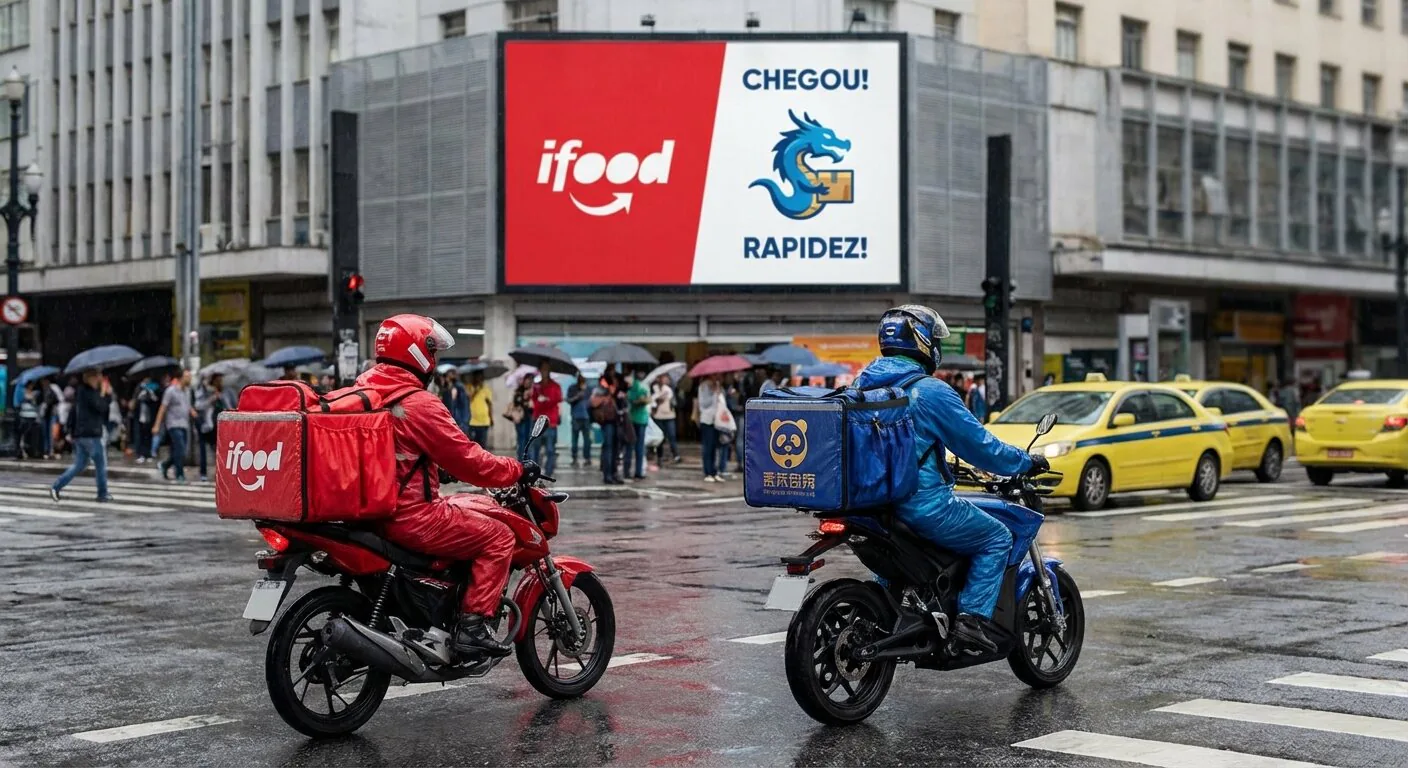
Chinese giants Keeta and 99 challenge iFood's 80% market share in Brazil. Learn why data intelligence is the key to this $20 billion delivery war.
Chinese tech giants Keeta and 99 have officially entered Brazil's $20 billion food delivery market and are challenging the local leader, iFood. As the newcomers invest billions to break iFood's 80 percent market share, the fight runs on aggressive subsidies and allegations of corporate espionage.
Brazil, Latin America's largest digital economy, has historically been a difficult market for outsiders to crack. Even global giants like Uber Eats recently withdrew from the region, leaving iFood in a near-monopoly position. Meituan-owned Keeta and the Chinese-backed app 99 bring a different level of financial firepower, with a combined pledge of $1.5 billion to establish their footprint. In response, iFood has committed a staggering $3.3 billion over the next year to defend its home turf.
The competition has quickly turned aggressive. Reports indicate that iFood has identified hundreds of attempts by overseas consultancies to poach confidential operational data from its employees via professional networks, focused on pricing strategies, revenue figures, and internal technology. Keeta, for its part, has reported incidents of individuals posing as employees to disrupt restaurant accounts and steal system information. In a $20 billion market, data has become the most valuable weapon.
Visibility is now the main challenge for anyone watching the market, beyond logistics or driver fleets. When a competitor enters with "very aggressive" subsidized pricing, it is hard to tell whether it is winning over loyal customers or simply creating a temporary spike in volume. Manual tracking of app changes or restaurant listings cannot provide the speed or scale needed to react, and outdated reports miss the moment a competitor flips a key district or signs an exclusive deal with a major QSR chain.
Where the $1.5 billion in subsidies lands
Shifts in restaurant loyalty and consumer preference decide who protects margins. If a competitor is burning $1.5 billion to gain visibility, a platform needs to know exactly where those dollars are landing and which of its partner restaurants are most at risk.
Directors and C-level leaders can use market share benchmarking to see precisely how the new entrants are changing the market. That data cuts through the noise of subsidized discounts and shows long-term market trends before they appear in annual reports. In the Brazilian market, being first to the data often means being the only one left standing.
If you want to protect your market share or plan a strategic expansion, our team can help you build a data-driven defense. Contact DoubleData today to learn more about our intelligence solutions.
Source: https://slguardian.org/china-enters-brazils-20-billion-food-delivery-battle/
